Fresh, warm bread is a simple pleasure that many who follow a gluten-free diet miss. The idea of baking a loaf can feel daunting, requiring special flours, lengthy proofing times, and uncertain results. But what if you could have the aroma of homemade bread filling your kitchen in less time than it takes to watch a movie?
These three recipes are designed for speed and simplicity. They bypass the long rises typical of yeast breads, using quick-acting leaveners like baking powder and soda to deliver satisfying results. Whether you crave a soft sandwich loaf, a hearty savory slice, or a sweet treat, one of these bakes can be on your table in under an hour, start to finish.
The Speedy Sandwich Loaf
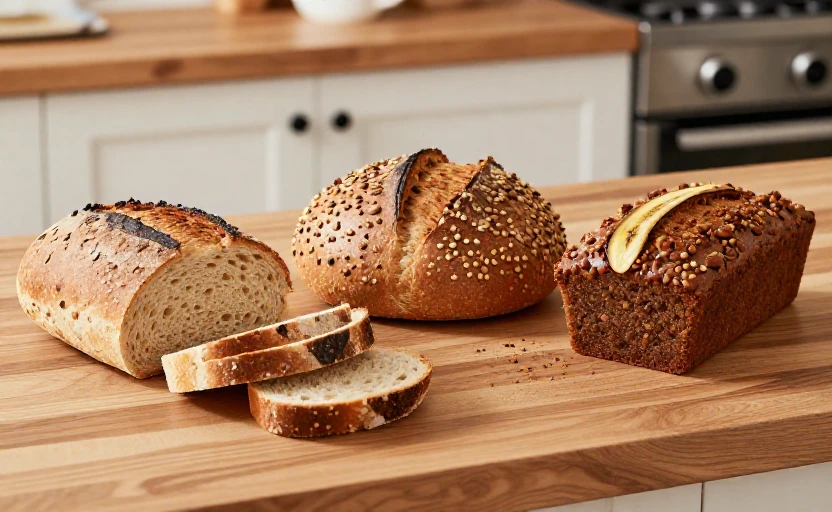
This is your go-to for a soft, sliceable bread perfect for toast or sandwiches. The key is using a pre-mixed gluten-free flour blend that contains xanthan gum, which replicates the structure and elasticity that gluten usually provides. Using a blend saves you from measuring six different flours and ensures a reliable texture.
Combine your dry ingredients—the flour blend, baking powder, salt, and a touch of sugar—in one bowl. In another, whisk together wet ingredients: eggs, oil, and a liquid like milk or a dairy-free alternative. The magic of quick breads is in the mixing: stir the wet into the dry just until combined. A few lumps are fine; overmixing can lead to a dense result.
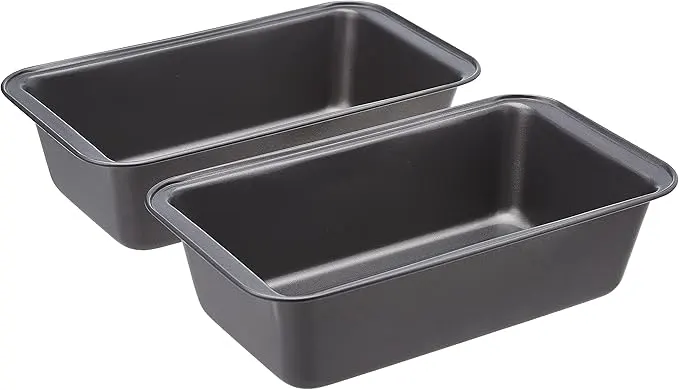
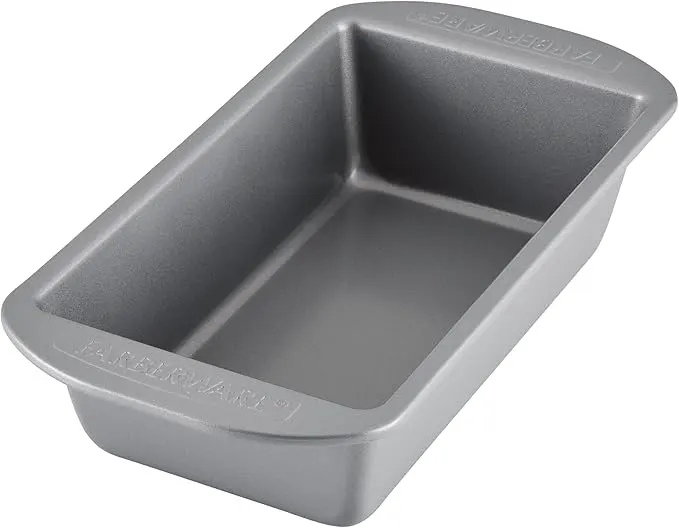
For the softest crumb, let the batter rest for 5 minutes after mixing before pouring it into a greased loaf pan. This allows the flours to fully hydrate.
Bake until the top is golden and a toothpick inserted in the center comes out clean. Let it cool in the pan for 10 minutes, then transfer to a wire rack. While it’s tempting to slice immediately, waiting until it’s fully cool will give you cleaner slices.
Savory Herb & Seed Bread
When you want something more robust, this savory option delivers big flavor. It’s denser than the sandwich loaf, almost like a hearty Irish soda bread, and packed with texture from seeds and herbs.
Start with a base of almond flour and a starch like tapioca or arrowroot. Almond flour adds protein and a rich, nutty flavor, while the starch lightens the texture. To this, add a generous amount of seeds—sunflower, pumpkin, and flax are excellent choices—along with dried rosemary, thyme, or everything bagel seasoning.
The leavening comes from both baking soda and an acidic component like apple cider vinegar or lemon juice. When combined with the eggs and a binding agent like psyllium husk powder, they create a dough you can quickly shape by hand.
Shape the dough into a round, score the top with a sharp knife, and bake directly on a parchment-lined sheet. The result is a crusty, fragrant bread that’s ideal alongside soup or topped with avocado.
Sweet Banana Nut Quick Bread
This recipe transforms overripe bananas into a moist, sweet bread that feels like a treat but comes together as easily as a muffin batter. It’s naturally gluten-free using oat flour (ensure it’s certified gluten-free) or a gluten-free all-purpose blend.
Mash your bananas until smooth—the riper they are, the sweeter and more flavorful your bread will be. Mix them with eggs, a neutral oil, and vanilla. In a separate bowl, combine your flour, baking soda, cinnamon, and salt. Fold the dry ingredients into the wet, and just before it’s fully incorporated, add a handful of chopped walnuts or pecans.
Pour the batter into a loaf pan and bake. The top will crack beautifully, and your kitchen will smell incredible. This bread is delicious warm, but the flavor deepens if you can wait until the next day.
Tips for Gluten-Free Quick Bread Success
Working without gluten requires a slight shift in approach. Here are a few pointers to ensure your bread turns out well every time.
- Measure accurately. Gluten-free flours can be finicky. For best results, use the spoon-and-level method: spoon flour into your measuring cup and level it off with a knife, rather than scooping directly from the bag.
- Don’t skip the binder. Xanthan gum or psyllium husk powder is essential in most recipes to hold the bread together and prevent a crumbly texture. If your flour blend doesn’t include it, you’ll need to add it separately.
- Test for doneness. Because gluten-free batters are often wetter, the classic tap test doesn’t always work. Rely on a toothpick or skewer inserted into the center—it should come out clean or with a few moist crumbs, not wet batter.
- Let it cool completely. This is the hardest step but the most important for texture. Gluten-free bread continues to set as it cools. Slicing too early can make it seem gummy.
Baking gluten-free bread doesn’t have to be a weekend project. With these recipes, you can satisfy the craving for something homemade, warm, and entirely your own in under an hour. It’s a small, tangible way to bring comfort and nourishment to your table, no special skills required.