Your morning routine holds a quiet power over your skin’s future. While serums and creams work from the outside, the building blocks for firm, resilient skin are laid from within, often starting with the first meal of the day. A breakfast rich in specific nutrients can directly support the proteins that keep skin plump and elastic—namely collagen and elastin. It’s less about a magic bullet and more about consistent, thoughtful nourishment.
These three breakfast ideas are designed to be delicious, practical, and packed with the vitamins, minerals, and antioxidants your skin’s support system craves. They focus on whole foods that provide collagen co-factors like vitamin C, zinc, and copper, along with healthy fats and proteins that form the foundation of every cell.
What makes a breakfast “skin-firming”?
Before we get to the recipes, it helps to understand why certain foods make the list. Skin elasticity relies on a sturdy network of collagen and elastin fibers. As we age, the production of these proteins naturally slows, and existing fibers can be damaged by factors like sun exposure and oxidative stress. The goal of a supportive diet is twofold: to provide the raw materials needed for collagen synthesis and to protect the existing structure.
Key players include:
- Vitamin C: An absolute essential. Your body cannot make collagen without it. It also acts as a potent antioxidant.
- Protein: Collagen itself is a protein. Consuming adequate high-quality protein gives your body the amino acids it needs for repair and synthesis.
- Zinc & Copper: These trace minerals act as co-factors in the enzymatic processes that build collagen.
- Omega-3 Fatty Acids: They help maintain healthy cell membranes, support the skin’s lipid barrier, and have anti-inflammatory properties.
- Antioxidants (like Vitamin E, Selenium): They help neutralize free radicals that can break down collagen and elastin.
Think of your breakfast plate as a toolkit. You’re assembling the specific tools—vitamins, minerals, proteins—your body requires to do its natural repair and building work.
1. The Citrus & Berry Collagen Bowl
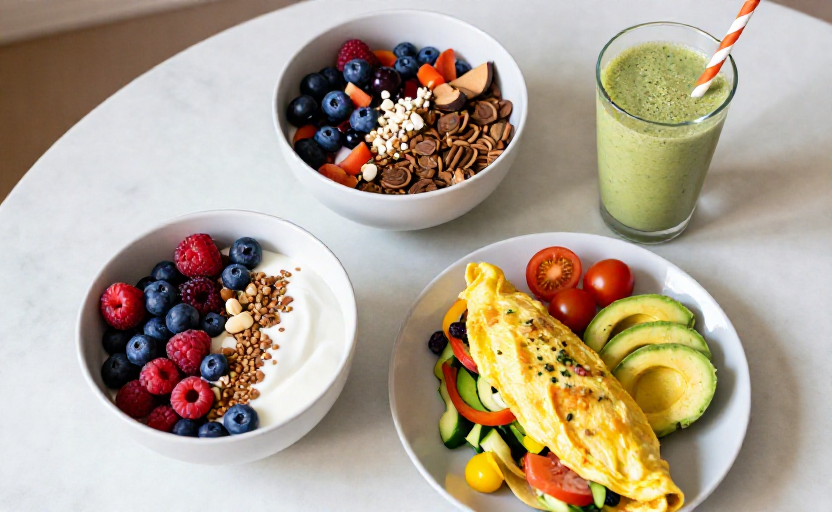
This vibrant bowl is a direct delivery system for vitamin C, pairing two of its richest sources: citrus and berries. Vitamin C’s role is non-negotiable; it’s the co-factor that stabilizes the collagen molecule’s structure. This meal combines that with protein and zinc for a comprehensive skin-supportive start.
How to build it: Start with a base of plain Greek yogurt or a plant-based alternative like unsweetened soy yogurt for a protein punch. Top with a generous handful of mixed berries—blueberries, raspberries, and strawberries are all excellent. Add segments from half a grapefruit or a whole clementine. For crunch and zinc, sprinkle a tablespoon of pumpkin seeds. A drizzle of raw honey or a sprinkle of cinnamon adds sweetness without refined sugar.
Why it works: The yogurt provides protein and often contains zinc. Berries and citrus are loaded with vitamin C and antioxidants. Pumpkin seeds are a top plant source of zinc. Together, they create a synergistic blend that directly supports the collagen production line.
2. The Omega-Packed Savory Omelet
Eggs are a skin elasticity powerhouse, offering a rare combination of protein, amino acids, and essential nutrients in one package. This savory omelet amplifies those benefits with vegetables rich in collagen-supporting compounds and healthy fats.
How to build it: Whisk two eggs. In a pan with a little olive oil, gently sauté a handful of spinach and a few slices of mushroom until wilted. Pour in the eggs, cooking until set. Fill with the veggies and fold. Serve alongside a half of a sliced avocado, sprinkled with a pinch of sea salt and red pepper flakes.
Why it works: Eggs provide high-quality protein and contain both proline (an amino acid in collagen) and sulfur, which is needed for collagen production. Spinach is rich in vitamin C and antioxidants. Mushrooms contain selenium and copper. Avocado delivers vitamin E (a key antioxidant) and monounsaturated fats, which help keep skin moisturized and supple. The olive oil adds more healthy fats and anti-inflammatory polyphenols.
A note on eggs and cholesterol
For most people, the dietary cholesterol in eggs has a minimal impact on blood cholesterol. The protein and nutrient density they offer for skin health is generally considered beneficial. If you have specific health conditions, it’s always wise to consult with your healthcare provider about your diet.
3. The Tropical Zinc & Vitamin C Smoothie
For mornings when you need something quick but don’t want to compromise on nutrients, this smoothie is a perfect solution. It’s a portable, delicious way to flood your system with skin-loving vitamins and minerals.
How to build it: In a blender, combine one cup of unsweetened coconut water or almond milk, a large handful of kale or spinach, half a cup of frozen mango chunks, half a cup of frozen pineapple, and a tablespoon of hemp seeds. Blend until completely smooth. For added protein, you can include a scoop of a plain, high-quality protein powder or a tablespoon of nut butter.
Why it works: Leafy greens like kale are surprisingly good sources of vitamin C. Mango and pineapple are also rich in vitamin C and enzymes. Hemp seeds are a fantastic plant-based source of both zinc and omega-3 fatty acids. Coconut water provides electrolytes for hydration, which is fundamental for plump, healthy skin cells. This combination ensures you’re covering multiple nutrient bases in one glass.
Consistency is your greatest ally
No single meal will transform your skin overnight. The true benefit comes from making these nutrient-dense choices a regular part of your pattern. Think of it as cumulative support. Alongside these breakfasts, remember the other pillars of skin health: staying hydrated, protecting your skin from excessive sun exposure, managing stress, and getting adequate sleep. Your skin reflects your overall well-being, and a thoughtful breakfast is a powerful, daily step you can take to nourish it from the inside out.