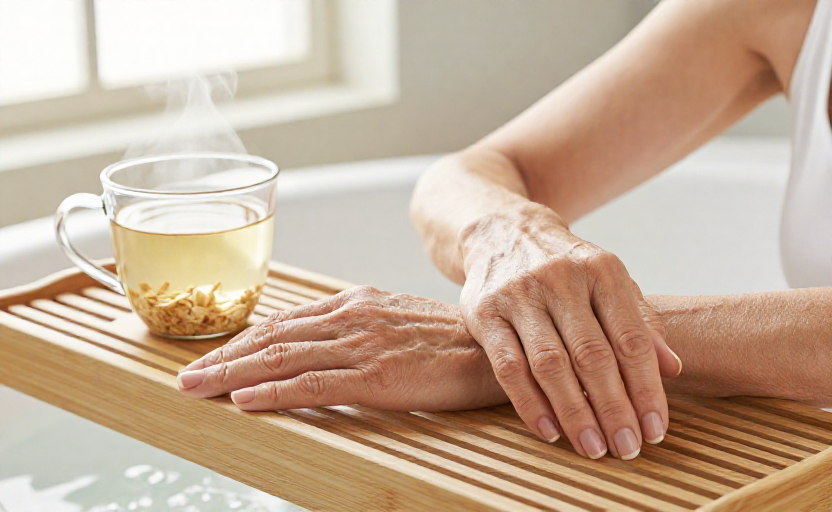
Menopause brings a host of changes, and one of the most maddening is the sudden, relentless itch that seems to come from nowhere. You might notice dry patches on your arms, a prickly feeling along your back, or a general tightness and irritation that makes your usual skincare routine feel useless. This isn’t just dry skin in the conventional sense—it’s a direct result of dropping estrogen levels, which disrupts your skin’s ability to hold moisture and produce its natural protective oils.
The good news: you don’t need a cabinet full of prescriptions to find relief. These three natural, evidence-backed remedies target the root causes of menopausal skin itching—hormonal dryness, barrier disruption, and inflammation—without relying on harsh chemicals or steroid creams.
How Menopause Makes Skin Itch
Before diving into remedies, it helps to understand why your skin feels like it’s crawling. Estrogen receptors exist all over your skin. When estrogen declines, collagen production slows, oil glands shrink, and the outer layer of skin becomes thinner and more porous. This allows irritants to sneak in and moisture to escape, leading to the medical term: xerosis, or dry, itchy skin. The itch can be especially bad at night, disrupting sleep and creating a frustrating cycle of scratching and irritation.
Below are three remedies that address these specific biological changes. None require a trip to the pharmacy for a prescription—just a trip to your kitchen or a natural foods store, plus a bit of patience as your skin heals.
1. Oatmeal Baths: A Colloidal Comfort
Oatmeal isn’t just breakfast food; it’s a dermatologist-approved treatment for inflamed, itchy skin. The key is colloidal oatmeal—finely ground oats that suspend in water rather than sinking to the bottom of the tub. Oatmeal contains avenanthramides, compounds that reduce inflammation and block the release of histamine, the chemical behind that prickly itch sensation.
How to use it
Grind one cup of plain, uncooked oats in a blender or food processor until you have a fine, powdery flour. Sprinkle this into a lukewarm bath (not hot—hot water strips oils) and swish it around until the water turns milky. Soak for 15–20 minutes, then pat your skin dry with a towel—no rubbing. You don’t need to rinse off the oatmeal film; let it stay on your skin as a protective layer. Do this up to three times per week, or whenever the itch flares up.
Caution: If your bathtub gets slippery, place a non-slip mat. And if you have a history of oat allergies, skip this remedy entirely.
2. Squalane Oil: The Estrogen-Mimicking Moisturizer
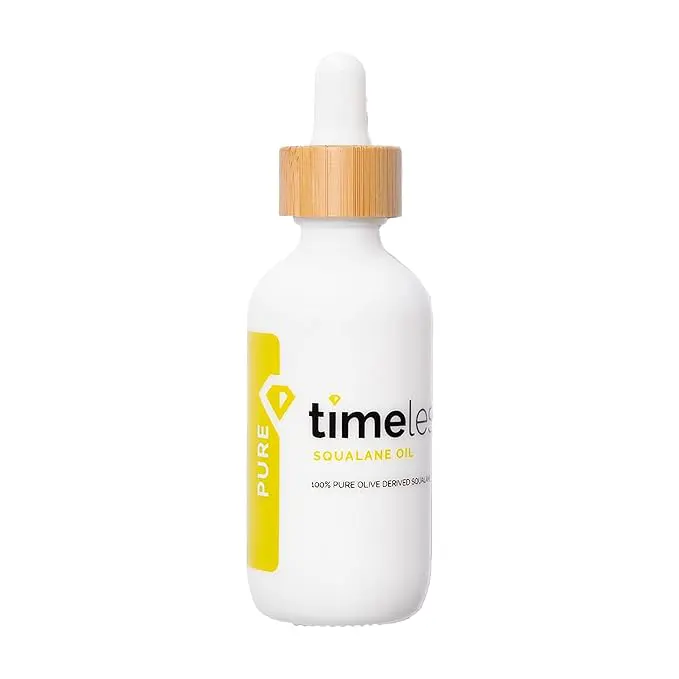
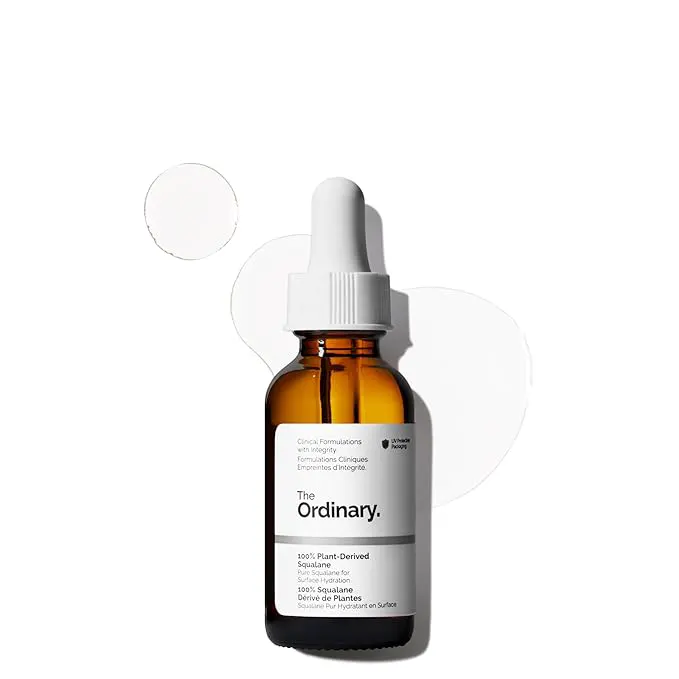
Not all moisturizers are created equal for menopausal skin. Many heavy creams sit on top of the skin without penetrating. Squalane (not to be confused with squalene, its unstable cousin) is a lightweight oil that your skin naturally produces—until menopause slows production. It acts as a natural emollient and has a molecular structure similar to your skin’s own sebum, allowing it to absorb deeply without clogging pores.
What makes squalane especially effective for menopausal itch is its ability to mimic some of the moisture-retaining effects of estrogen. It strengthens the skin barrier, reducing transepidermal water loss—the scientific term for moisture evaporating out of your skin and leaving it tight and itchy.
How to use it
Apply 2–3 drops of 100% pure plant-derived squalane oil (often from sugarcane or olives) to slightly damp skin after your shower. Damp skin locks in more hydration than dry skin. Target the itchy areas: legs, forearms, and your lower back. You can also add a drop to your regular body lotion for an extra boost. Use it twice daily for best results, morning and night.
3. Evening Primrose Oil: Internal Support for Skin Health
While the first two remedies work on the outside, evening primrose oil works from the inside out. This supplement is rich in gamma-linolenic acid (GLA), an omega-6 fatty acid that your body converts into anti-inflammatory compounds. Research suggests GLA can help reduce the itching and inflammation associated with eczema-like skin conditions, and menopause-related dryness shares many of those same inflammatory pathways.
A quick note on expectations: Evening primrose oil is not an instant fix. It typically takes 4 to 8 weeks of consistent daily use to see noticeable improvements in skin hydration and reduced itch. It works best when combined with a consistent topical routine.
How to use it
Look for a cold-pressed evening primrose oil supplement in softgel form. Follow the dosage recommended on the bottle (typically 500–1000 mg per day). Take it with a meal that contains fat to improve absorption. If you have a history of bleeding disorders, upcoming surgery, or take blood-thinning medications, consult your healthcare provider before starting this supplement—it can slow blood clotting.
Alternate internal support: Flaxseed oil and borage oil also contain GLA and offer similar benefits. You can rotate them to keep things interesting, but don’t exceed the total recommended daily fat intake from supplements.
Lifestyle Strategies That Amplify Relief
These three remedies work harder when you also address the daily habits that worsen menopausal skin itch:
- Swap your body wash. Switch from foaming, sulfate-heavy cleansers to an oil-based or cream cleanser. Suds strip oils. Cleanse only your armpits, groin, and feet with soap—let warm water rinse the rest.
- Keep showers short and cool. Five to ten minutes in lukewarm water is ideal. Hot showers feel great in the moment but leave you twice as itchy an hour later.
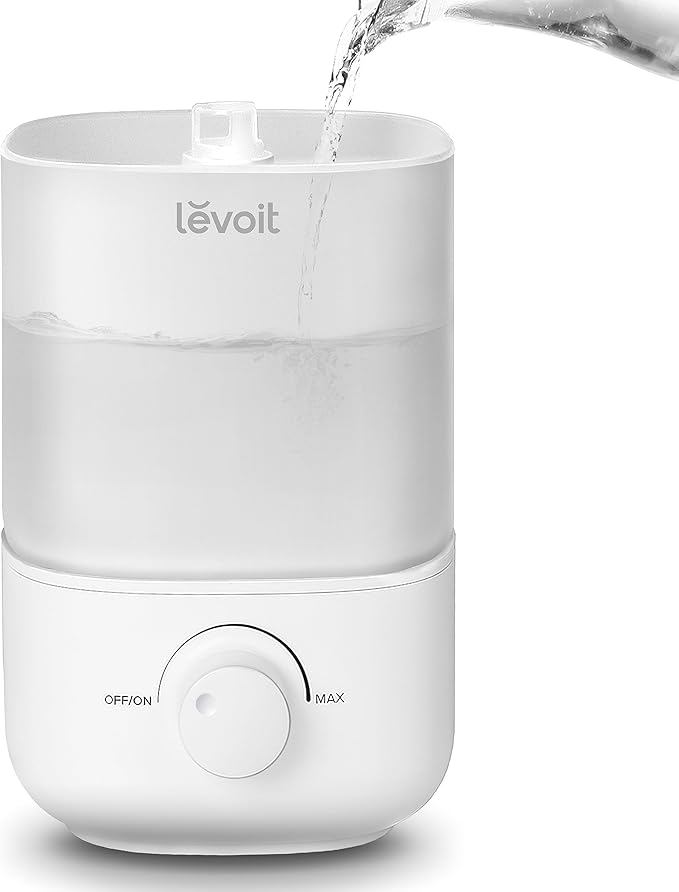
- Humidify your bedroom. Dry air (especially during winter or in air-conditioned rooms) pulls moisture from your skin while you sleep. A small cool-mist humidifier set to 50–60% humidity can cut nighttime itching by a significant margin.
- Wear soft fabrics. Wool and synthetic fibers can irritate thinned menopausal skin. Stick to cotton, bamboo, or silk clothing and sheets. Loose-fitting pajamas reduce friction.
When to See a Dermatologist
Natural remedies work well for mild to moderate menopause-related itching. But if you notice any of the following, schedule a visit with a dermatologist to rule out other conditions like thyroid disorders, eczema, or psoriasis (which can emerge or worsen during menopause):
- Intense itching that keeps you awake most nights.
- Rashes with distinct edges, blisters, or oozing.
- Itching accompanied by fatigue, weight changes, or hair loss.
- Dark or thick patches of skin that develop from scratching.
Your doctor can prescribe treatments like calcineurin inhibitors (tacrolimus, pimecrolimus) or low-dose corticosteroids for flare-ups, but these should be used sparingly. The goal is to restore your skin’s natural barrier so you don’t need to rely on medications long-term.
Managing the itch of menopause isn’t about finding a single magic bullet. It’s about layering gentle, consistent strategies—a soothing oatmeal bath, a barrier-restoring oil, and an internal anti-inflammatory booster—to give your skin the support it’s losing from falling hormones. Stick with it for at least a month. Skin turnover takes time, but the relief is worth the wait.