You hydrate. You carry a water bottle. You even try to remember to sip throughout the day. But your face might be telling a different story — one where you are just a little drier than you think. Dehydration doesn't always announce itself with a pounding headache or cracked lips. Often, the earliest clues are subtle changes in your complexion, around your eyes, and along your skin's texture.
Your skin is your body's largest organ, and when internal fluid levels dip, the face is often the first place to signal trouble. Recognizing these hidden signs of dehydration can help you catch an imbalance before it escalates into something more uncomfortable — like brain fog or a full-blown headache. Let's take a closer look at three facial clues that indicate your body needs more water.
1. Unexpected Faint Lines or Crepey Texture
One of the earliest and most overlooked signs of dehydration shows up as fine lines that weren't there before. These aren't the expression lines you get from smiling or squinting — they are temporary, surface-level creases that appear across the cheeks, around the mouth, or on the forehead. When the skin is well-hydrated, it plumps up, making those tiny grooves less visible. When fluid levels dip, the skin loses volume and elasticity, and these faint lines become more obvious.
You might also notice a slight crepey texture — a thin, papery feel when you pinch the skin gently. A simple self-check is to lightly press on your cheekbone or the back of your hand. If the skin doesn't snap back quickly, or if it looks a little shrunken, it's a strong signal that your body is holding onto less water than it needs.
2. Dark Circles That Look More Pronounced
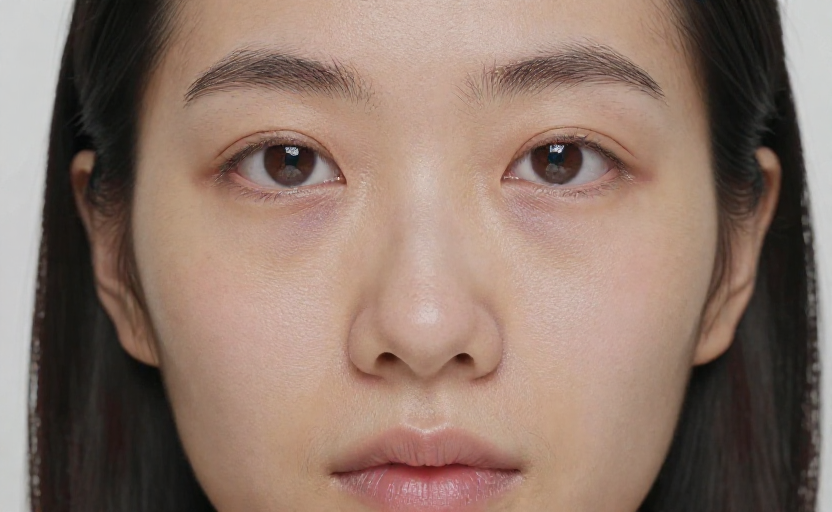
Not all dark under-eye circles are genetic. Sometimes, the area beneath your eyes turns noticeably darker or more hollow-looking simply because the skin there is extremely thin and shows the underlying blood vessels more easily when dehydrated. When you are low on fluids, the tiny blood vessels can become sluggish and dilated, giving that common bluish or purplish tint.
If you wake up with under-eye shadows that look deeper than usual — even after a full night of sleep — dehydration may be the culprit. Pair this with slightly sunken eyes, and it is a clear visual cue that your body needs water. Unlike hereditary dark circles, these will often fade within hours of proper rehydration.
3. A Dull, Tired-Looking Complexion
When you are well-hydrated, your skin reflects light evenly, giving it a natural radiance. When you are not, the outermost layer of skin cells becomes less plump and more uneven. This shifts the way light bounces off your face, making it look dull, flat, or ashy — even if you got enough sleep.
This lackluster appearance is often accompanied by a feeling of tightness, especially after washing your face. You might notice that your usual moisturizer doesn't sit as smoothly, or your foundation looks patchy. That's because dehydrated skin has a compromised barrier. It isn't just about appearance — it is a functional problem that makes your skin more sensitive to environmental stressors.
How to Tell the Difference Between Dry Skin and Dehydrated Skin
Many people confuse dry skin with dehydrated skin, but they are not the same thing. Dry skin is a skin type — it lacks oil (sebum). Dehydrated skin is a temporary condition — it lacks water. You can have oily skin that is also dehydrated. If your skin feels tight and greasy at the same time, or if fine lines appear even though your T-zone is shiny, you are likely dealing with a water shortage, not an oil shortage.
Dehydrated skin often responds quickly to increased water intake and the use of humectant-rich skincare ingredients like hyaluronic acid and glycerin. Dry skin, on the other hand, requires more emollients and occlusives to maintain comfort. If your skin feels tight and looks dull, start with water first — you may be surprised how much your complexion changes in just a day or two.
Simple Rehydration Tips That Help Your Face
Rehydrating your body doesn't require a complicated routine. Sip water consistently throughout the day rather than chugging large amounts at once — your body absorbs it more efficiently that way. Include water-rich foods like cucumber, watermelon, oranges, and leafy greens in your meals. These provide fluids along with trace minerals that support hydration at a cellular level.
On the outside, use a gentle, hydrating cleanser and follow up with a moisturizer that contains humectants. Avoid harsh scrubs and alcohol-based toners when your skin is feeling dehydrated, as they can worsen the appearance of fine lines. If the air in your home is dry, a humidifier in your bedroom can make a noticeable difference overnight.
A quick pinch test: gently squeeze the skin on the back of your hand. If it stays raised for a moment before slowly flattening, that is a reliable sign of dehydration.
Paying attention to these three facial signs — faint lines, darker circles, and a dull complexion — can help you stay ahead of dehydration. Your face gives you honest feedback about your internal state. All you have to do is look.