
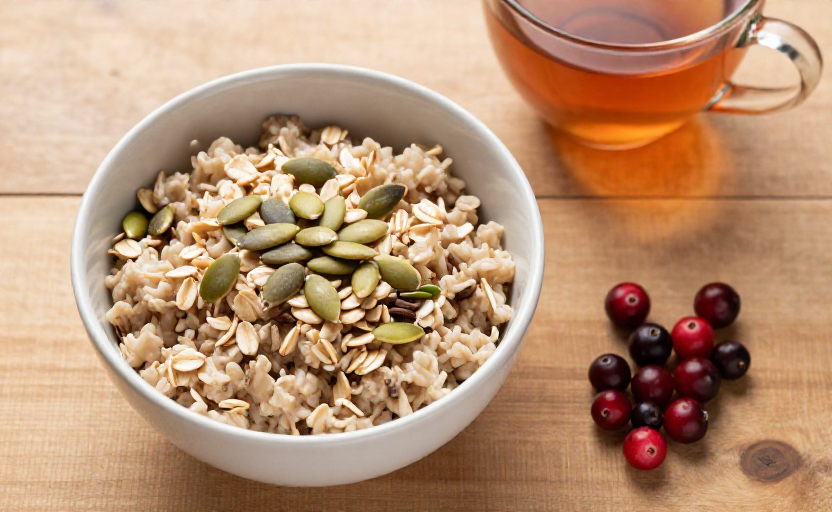
Menopause brings a wave of changes, and for many women, urinary incontinence arrives as an unwelcome guest. The drop in estrogen weakens pelvic floor muscles and thins the urethral lining, making it harder to hold urine when you cough, sneeze, or laugh. While kegel exercises and certain lifestyle adjustments are common recommendations, your diet can also play a powerful supporting role. What you eat can either irritate your bladder or help stabilize the tissues that control leakage. Let’s look at three specific foods that can help manage urinary incontinence during this stage of life.
Why diet matters for bladder control during menopause
Bladder health starts with the lining of the urinary tract. When estrogen levels decline, that lining becomes thinner, less elastic, and more prone to irritation. At the same time, the muscles of the pelvic floor can slacken. The foods you choose can either soothe or inflame this system. The right ones provide building blocks for tissue repair and help reduce the kind of internal inflammation that makes leakage more frequent. The following three options are backed by both nutritional science and clinical experience in women's health.
1. Pumpkin seeds: a mineral powerhouse for muscle tone
Pumpkin seeds are one of the richest natural sources of zinc and magnesium, two minerals that play direct roles in muscle function and repair. Magnesium helps muscles relax properly, which matters for the pelvic floor, while zinc supports tissue regeneration in the urinary tract. A handful of shelled pumpkin seeds eaten daily—about one ounce—can make a real difference. Sprinkle them on oatmeal, blend into a smoothie, or eat them plain as a snack. Unlike salted nuts or processed seed mixes, raw or lightly roasted pumpkin seeds won't introduce sodium or additives that can aggravate bladder irritation. They also provide plant-based protein and healthy fats, two things that help stabilize blood sugar—and fluctuating blood sugar can indirectly affect bladder urgency for some women.
2. Cranberries: protection against infection-related leakage
Urinary tract infections become more common after menopause, and an infection can turn occasional leakage into a constant, urgent problem. Cranberries contain proanthocyanidins—compounds that prevent bacteria from adhering to the bladder wall. While you do not need to drink sugary cranberry juice cocktail (which often makes things worse), unsweetened cranberry juice or whole cranberries can help lower your risk of infection. If an infection is kept at bay, you will have one less trigger for incontinence episodes. Aim for about half a cup of fresh or frozen unsweetened cranberries or a small glass of 100 percent unsweetened juice a few times per week. Note that cranberries are tart, so mixing them with a little water or blending them into a fruit smoothie with banana works well.
3. Oatmeal: steady energy and fiber for pelvic pressure
Constipation is a hidden driver of incontinence. When the rectum is full of hard stool, it presses directly against the bladder and reduces the space available for urine storage. That pressure can cause sudden leakage or make you feel like you need to urinate constantly. Oatmeal is a gentle, soluble fiber that helps keep bowel movements soft and regular. Whole rolled oats or steel-cut oats are better than instant packets, which often contain added sugar and artificial flavors that can irritate the bladder. A warm bowl of oatmeal in the morning also provides complex carbohydrates that release energy slowly, preventing blood sugar dips that can mess with bladder signals. Add a tablespoon of flaxseed or chia seeds for extra fiber and omega-3s—anti-inflammatory fats that support all soft tissues, including those in the pelvic region.
A quick caveat on bladder irritants: While adding these three foods, also consider reducing caffeine, alcohol, acidic fruits (like citrus and tomatoes), and spicy foods. Even healthy foods can trigger urgency if your bladder is sensitive. Track your symptoms in a simple journal for a few weeks to see which foods help and which ones make things worse.
How to build these foods into your routine
You do not need to overhaul your entire diet overnight. Start with one of these foods and incorporate it into a meal or snack you already eat. Pumpkin seeds can replace croutons on a salad. Oatmeal can become a base for your morning fruit. Unsweetened cranberries can be added to a trail mix or stirred into yogurt. The key is consistency—these foods work best when consumed regularly over weeks and months, not as a quick fix. Pair them with adequate water intake (sipping throughout the day rather than gulping large amounts at once) and regular pelvic floor exercises recommended by a physical therapist or women's health specialist.
When food is not enough
Dietary changes can significantly reduce frequency and severity of leakage for many women, but they are not a substitute for professional medical care. If incontinence is interfering with your daily life, causing sleep disruption, or making you avoid social activities, see a healthcare provider. A gynecologist, urologist, or pelvic floor physical therapist can evaluate your specific situation and offer treatments ranging from biofeedback to topical estrogen therapy to surgical options if needed. The foods above are a safe, side-effect-free way to support your body during menopause, but every woman's body responds differently. Listen to yours, and trust the combination of good nutrition, gentle movement, and expert guidance.
Managing urinary incontinence during menopause is about stacking small, sustainable habits—and the foods you eat three times a day are one of the most powerful tools you have. Pumpkin seeds, cranberries, and oatmeal each address a different piece of the puzzle: muscle support, infection prevention, and bowel regularity. Together, they form a foundation that helps you feel more in control, more comfortable, and more confident during this stage of life.