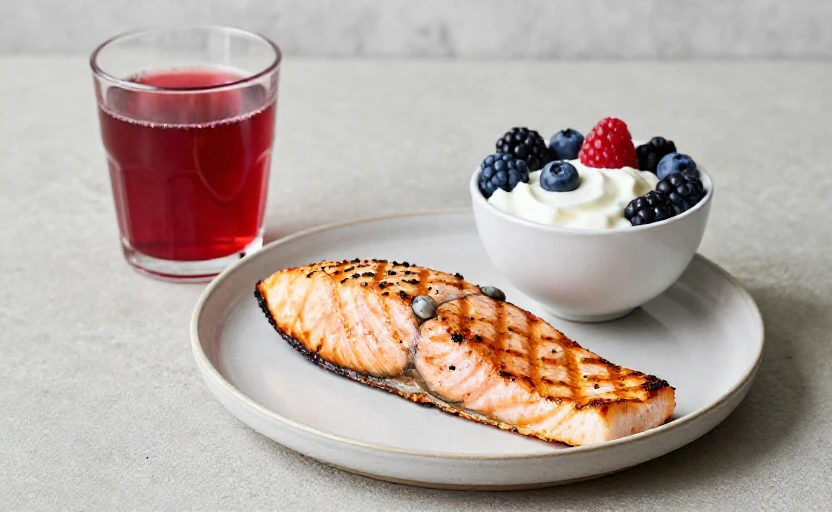
You’ve finished a tough workout, and while the physical exertion is over, your body is just beginning its most important work. The minutes and hours after exercise are a critical window for repair and adaptation. What you eat during this time doesn’t just refuel your muscles; it can directly influence your nervous system and stress levels. Choosing the right foods can turn a post-workout meal into a powerful tool for both physical recovery and mental calm.
We spoke with dietitians to understand which foods pull double duty, helping your body rebuild while also supporting your stress response. The goal isn’t a complicated regimen, but intentional choices that deliver specific nutrients when your body is most receptive to them.
Why Your Post-Workout Meal Affects Stress
Exercise is a beneficial stress, but it’s still a stressor. It depletes glycogen (your muscles’ stored energy), causes microscopic tears in muscle fibers, and increases cortisol—your body’s primary stress hormone. A well-chosen recovery meal helps reverse these effects. It replenishes energy stores, provides amino acids for muscle repair, and can help modulate the cortisol spike, bringing your system back to a calm, balanced state.
When you skip recovery nutrition or choose poorly, you miss this opportunity. Your body may stay in a heightened state of stress for longer, muscle soreness can intensify, and you might feel persistently fatigued or on edge. The right foods act as a signal, telling your body the work is done and it’s safe to shift into repair mode.
Three Key Foods for Recovery and Calm
These foods were selected because they efficiently deliver a combination of the macronutrients (protein, carbohydrates, fats) and micronutrients (vitamins, minerals, antioxidants) essential for post-exercise recovery and nervous system support.
1. Fatty Fish (like Salmon or Sardines)
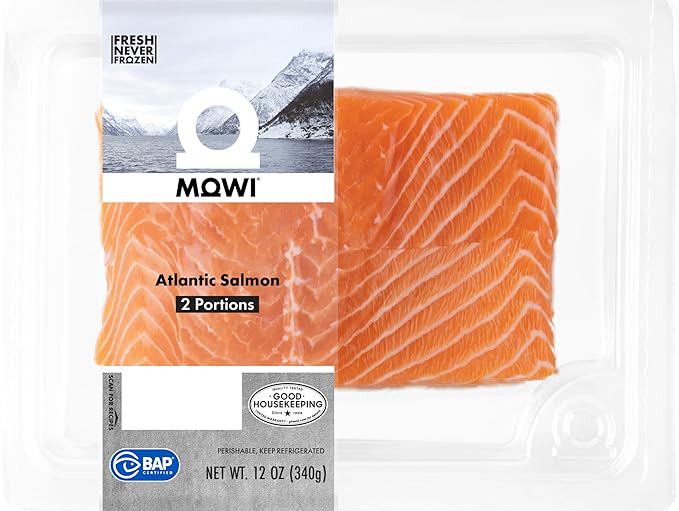
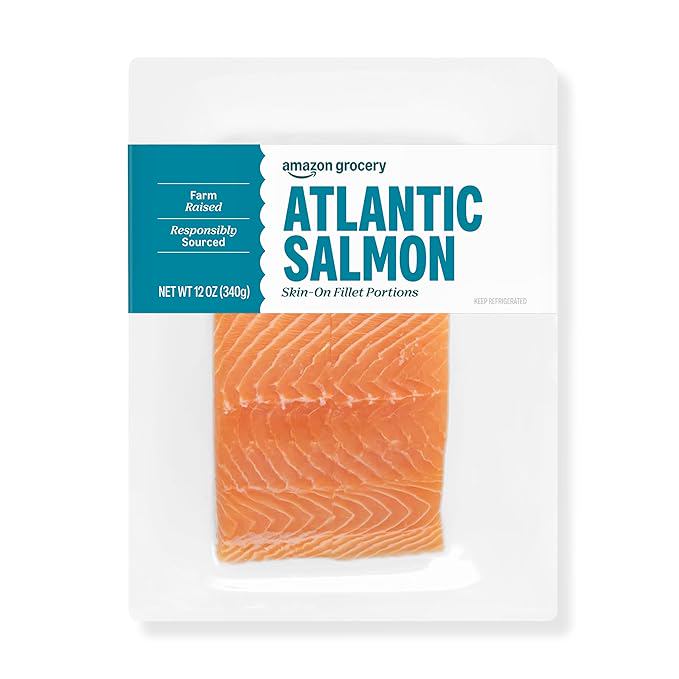
Fatty fish is a standout for its unique combination of high-quality protein and omega-3 fatty acids. The protein provides the building blocks (leucine, in particular) to jumpstart muscle protein synthesis. Meanwhile, the omega-3s, specifically EPA and DHA, play a crucial role in managing inflammation caused by exercise and have been linked to improved mood and a healthier stress response.
A 3-4 ounce serving of salmon after a workout delivers protein for repair and fats that help quiet the inflammatory cascade, aiding both your muscles and your mindset.
Research suggests omega-3s can help moderate the body’s production of cortisol during and after stress. Including fatty fish in your post-workout meal is a direct way to nourish your muscles while supporting your brain and hormonal balance.
2. Tart Cherries (or 100% Tart Cherry Juice)
Don’t let their size fool you; tart cherries are a potent recovery aid. They are rich in antioxidants called anthocyanins, which give them their deep red color and have strong anti-inflammatory and antioxidant properties. For athletes and active individuals, studies have shown that tart cherry juice can reduce post-exercise muscle soreness, speed strength recovery, and even improve sleep quality.
Better sleep is intrinsically linked to lower stress. By helping to reduce muscle pain and promote restorative sleep, tart cherries address two major physical stressors that can keep your nervous system on high alert. A small glass of unsweetened tart cherry juice after a workout or a handful of dried tart cherries with yogurt can be an effective strategy.
3. Plain Greek Yogurt with Berries
This combination is a classic for good reason. Plain Greek yogurt offers a hefty dose of easily digestible protein (nearly twice that of regular yogurt) and contains probiotics that support gut health. There’s a growing understanding of the gut-brain axis—the direct communication pathway between your digestive system and your brain. A healthy gut microbiome is associated with better stress resilience.
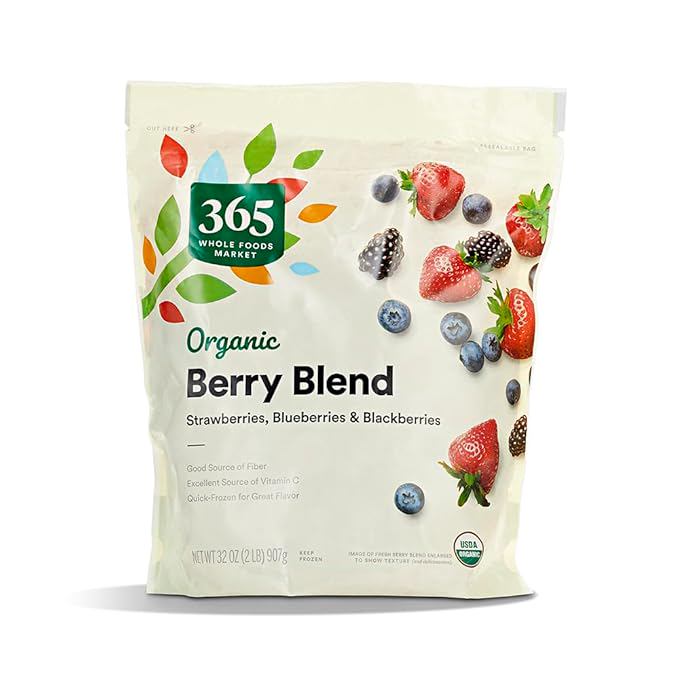
Pairing it with berries adds a second layer of benefit. Berries are packed with antioxidants and provide the carbohydrates needed to replenish muscle glycogen. They also contain fiber, which helps regulate the absorption of the yogurt’s natural sugars, preventing a blood sugar spike and crash that can exacerbate feelings of stress. Together, they create a balanced, gut-friendly recovery snack.
How to Build Your Plate for Dual Benefits
You don’t need to eat these three foods at every meal. Instead, use them as pillars to guide your choices. An ideal post-workout meal for recovery and stress support should include:
- A quality protein source (like fish, Greek yogurt, eggs, or poultry) to repair muscle.
- Colorful carbohydrates (like berries, sweet potato, or whole grains) to replenish energy and provide antioxidants.
- Anti-inflammatory fats (like those in fish, avocado, nuts, or olive oil) to support hormone function and calm inflammation.
- Hydration with water or electrolytes to replace fluids lost through sweat.
Timing matters, but don’t overcomplicate it. Aim to eat within 45 minutes to two hours after your workout, when your muscles are most receptive to nutrients. If a full meal isn’t possible, a smaller snack combining protein and carbs (like yogurt and berries) is a great bridge.
Foods and Habits to Limit Post-Workout
Just as some foods aid recovery, others can hinder it and amplify stress. After exercising, try to avoid:
- Heavily processed snacks and sugars: These can cause a rapid blood sugar spike and crash, increasing inflammation and leaving you feeling jittery then drained.
- Excessive caffeine: While your pre-workout coffee is fine, loading up on caffeine afterward can interfere with your body’s natural wind-down process and potentially disrupt sleep.
- Alcohol: It dehydrates you, impairs protein synthesis for muscle repair, and disrupts sleep architecture—all counterproductive to recovery and stress management.
Listening to your body is the ultimate guide. Notice how you feel an hour or two after your post-workout meal. Do you feel replenished and steady, or are you still hungry, sluggish, or anxious? Use these cues to adjust your choices.
Remember, nutrition is one part of a holistic recovery strategy. Pairing these food choices with quality sleep, active recovery like walking or stretching, and stress-management practices creates a powerful synergy. If persistent fatigue or high stress levels don’t improve with lifestyle adjustments, consulting a healthcare provider or registered dietitian is a wise step to rule out other underlying factors.