You know the feeling. Your eyes glaze over the screen, your thoughts start to scatter, and that 3 p.m. slump hits with the force of a tidal wave. Digital fatigue isn't just in your head—it's a physiological response to hours of cognitive demand and blue light exposure. While stepping away from your devices is the ultimate prescription, what you put on your plate can build a nutritional buffer against that mental drain.
Dietitians point to specific foods that support sustained energy, protect brain cells, and improve the neural signaling that keeps you sharp. These aren't quick fixes or sugary crutches, but foundational choices that help your mind weather the digital storm. Let's look at three key categories that experts consistently recommend for better focus and resilience.
Fatty Fish: The Ultimate Brain Cell Protector
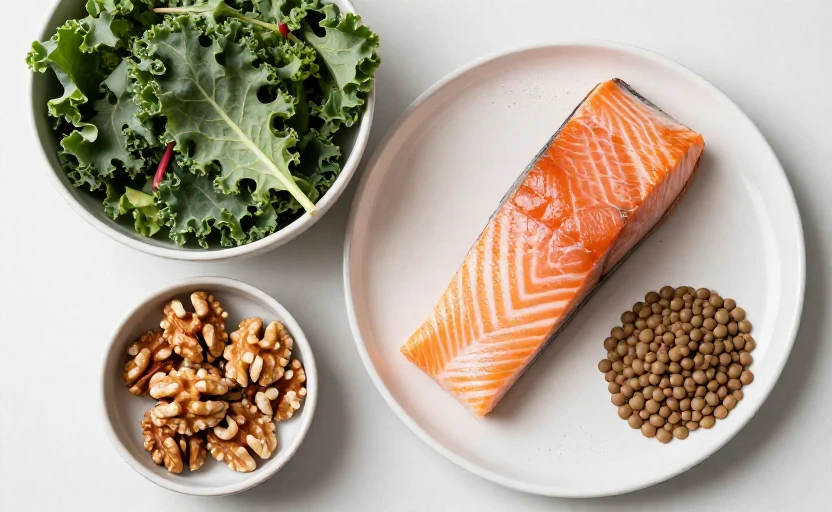
When dietitians talk about brain food, fatty fish like salmon, mackerel, sardines, and trout are almost always at the top of the list. The reason is twofold: omega-3 fatty acids and anti-inflammatory power.
The brain is nearly 60% fat, and a significant portion of that is DHA, a specific type of omega-3. DHA is a primary structural component of brain cell membranes. It helps keep these membranes fluid and flexible, which is essential for neurons to communicate efficiently. Think of it as upgrading the wiring in a complex machine. A diet rich in these fats supports memory, reaction time, and overall cognitive function.
Perhaps more relevant for digital fatigue is omega-3's role in combating inflammation. Prolonged mental focus and stress can promote a low-grade inflammatory state in the body, which can fog your thinking and contribute to that worn-out feeling. The EPA and DHA in fatty fish are potent anti-inflammatory agents. They help calm this systemic noise, allowing your brain to operate with less interference.
Aim for two servings of fatty fish per week. If seafood isn't your preference, discuss algae-based omega-3 supplements with a healthcare provider.
Leafy Greens & Colorful Vegetables: Your Neural Defense System
Spinach, kale, Swiss chard, broccoli, and bell peppers are more than just side dishes; they're your brain's maintenance crew. They're packed with antioxidants—like vitamins C and E, beta-carotene, and flavonoids—and B vitamins, particularly folate.
Every time you concentrate, your brain cells metabolize energy and produce free radicals as a byproduct. Screen time and cognitive load can increase this oxidative stress, essentially causing wear and tear on your neurons. Antioxidants from vibrant vegetables act as scavengers, neutralizing these free radicals and protecting your brain cells from damage. This helps preserve cognitive function and delays mental fatigue.
Meanwhile, B vitamins, especially folate found in dark leafy greens, play a critical role in producing neurotransmitters like serotonin and dopamine. These chemicals regulate mood, motivation, and focus. A deficiency can leave you feeling sluggish, irritable, and unable to concentrate—symptoms that mirror digital burnout.
Incorporating a generous serving of greens into at least one meal a day builds a steady stream of these protective nutrients.
Complex Carbohydrates & Nuts: The Steady Energy Architects
Reaching for a candy bar or sugary coffee when you're dragging is a classic move, but it's a trap. That quick spike in blood sugar is followed by a crash, leaving you more fatigued than before. The solution is complex carbohydrates paired with fiber, protein, or healthy fats to slow digestion and provide a steady fuel supply.
Think whole grains like oats, quinoa, and brown rice, legumes like lentils and black beans, and starchy vegetables like sweet potatoes. These foods break down slowly, providing a consistent release of glucose—the brain's primary fuel source—into your bloodstream. This prevents the energy rollercoaster and supports sustained concentration.
Nuts and seeds, particularly walnuts, almonds, and pumpkin seeds, are a perfect complement. They add protein, healthy fats, and minerals like magnesium and zinc. Magnesium is involved in hundreds of biochemical reactions, including those that regulate the nervous system and energy production. Low levels are often linked to increased fatigue.
A handful of nuts with an apple, or a slice of whole-grain toast with avocado, creates a mini-meal designed for enduring mental energy, not a fleeting buzz.
Focusing on these three food groups—fatty fish, leafy greens, and complex carbs with nuts—creates a dietary pattern that directly counteracts the mechanisms of digital fatigue. It protects brain structure, defends against oxidative stress, and provides stable energy. It’s not about one magical berry, but a consistent approach to eating that builds a more resilient and focused mind, ready for the demands of the digital day.