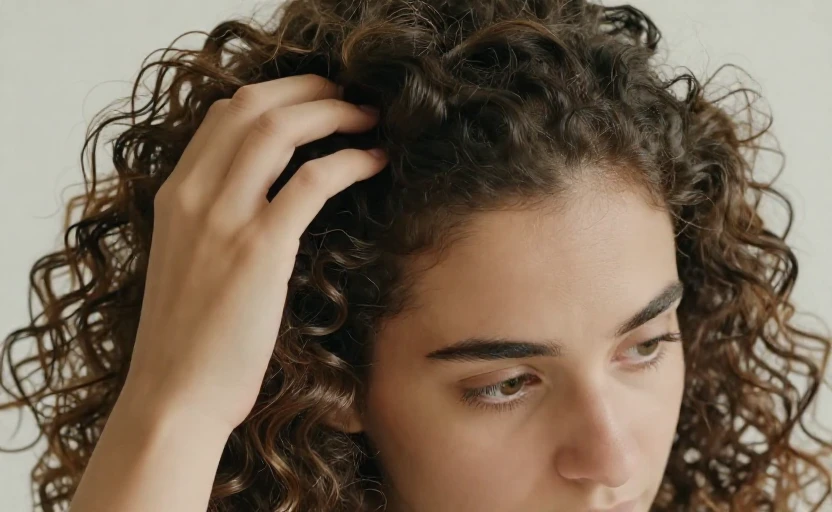
If you have curly hair and a scalp that feels perpetually dry, tight, and itchy, you know the frustration runs deep. You might be meticulously following a curl-care routine, yet that persistent scalp irritation remains. While topical treatments and gentle shampoos are often the first line of defense, what you eat can play a surprisingly significant role. Certain foods can contribute to inflammation or disrupt the delicate balance of your scalp, potentially turning a minor annoyance into a constant battle.
Understanding this connection is about empowerment, not restriction. It’s about noticing patterns and making informed choices that support your overall skin and hair health from the inside out. For those with curly hair, which is naturally more prone to dryness, this internal support is especially crucial.
Why Does Diet Affect My Scalp?
Your scalp is skin, and like the skin on your face or body, its health is influenced by your internal state. Foods that trigger systemic inflammation or blood sugar spikes can manifest as redness, flaking, and itchiness on your scalp. Furthermore, some foods may influence sebum (oil) production or exacerbate conditions like seborrheic dermatitis, a common culprit behind dandruff and itch. For curly hair, a compromised scalp can lead to increased breakage, difficulty retaining moisture, and a general feeling of discomfort that no amount of styling product can fix.
Think of nourishing your scalp from within as the foundation of your entire curl-care routine.
Foods to Consider Reducing
It’s important to approach this not with a mindset of elimination, but of observation. Try reducing your intake of the following for a few weeks and see if you notice a change in your scalp’s comfort level. Remember, everyone is unique; one person’s trigger may not be another’s.
1. High-Sugar Foods and Refined Carbohydrates
Pastries, sugary drinks, white bread, and other refined carbs cause a rapid spike in blood sugar. This spike can promote inflammation throughout the body, which may worsen scalp conditions linked to inflammation, like dryness and itching. High sugar intake can also potentially feed yeast on the scalp, which is associated with dandruff.
Instead of reaching for a candy bar or a soda, consider snacks that provide sustained energy without the crash, like a handful of nuts, Greek yogurt, or an apple.
2. Dairy Products
For some individuals, dairy can be inflammatory and may trigger or worsen skin issues, including on the scalp. The hormones naturally present in milk, along with the potential for a mild intolerance to dairy proteins like casein or whey, can contribute to increased oil production and flaking. If you’re a frequent consumer of milk, cheese, or yogurt and struggle with an itchy scalp, it might be worth exploring dairy-free alternatives for a period to observe any differences.
3. Fried and Highly Processed Foods
Foods cooked in unhealthy oils—like many fast-food items, packaged snacks, and fried foods—are often high in omega-6 fatty acids. While we need some omega-6s, the typical modern diet contains an overabundance compared to anti-inflammatory omega-3s. This imbalance can promote an inflammatory state in the body, which may not help a sensitive, irritated scalp. These foods also tend to lack the vitamins and minerals your skin and hair need to thrive.
What to Focus On Instead
Shifting focus to what you can add to your diet is often more sustainable and positive. Prioritize foods rich in:
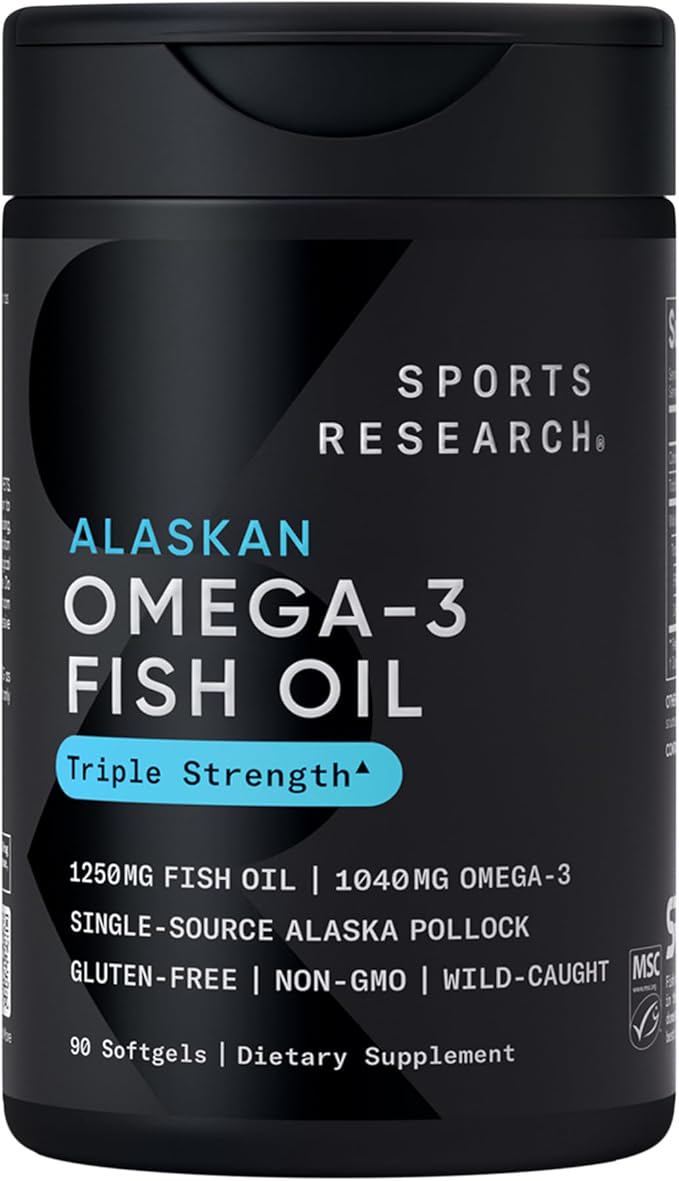
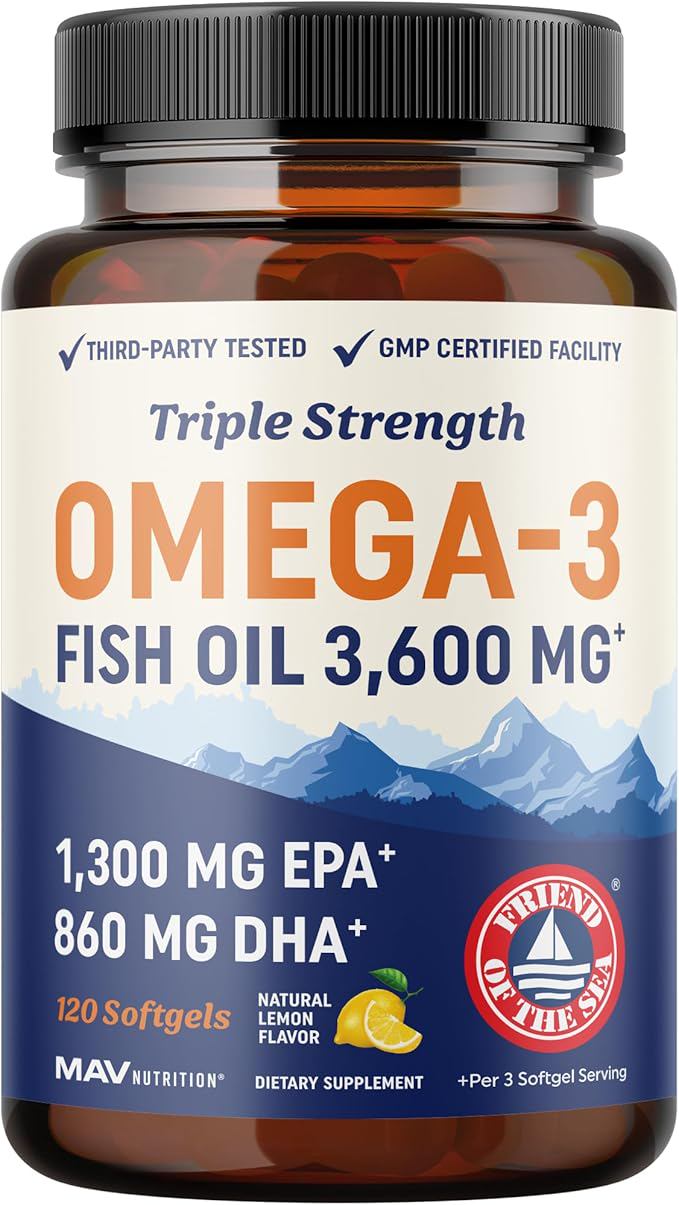
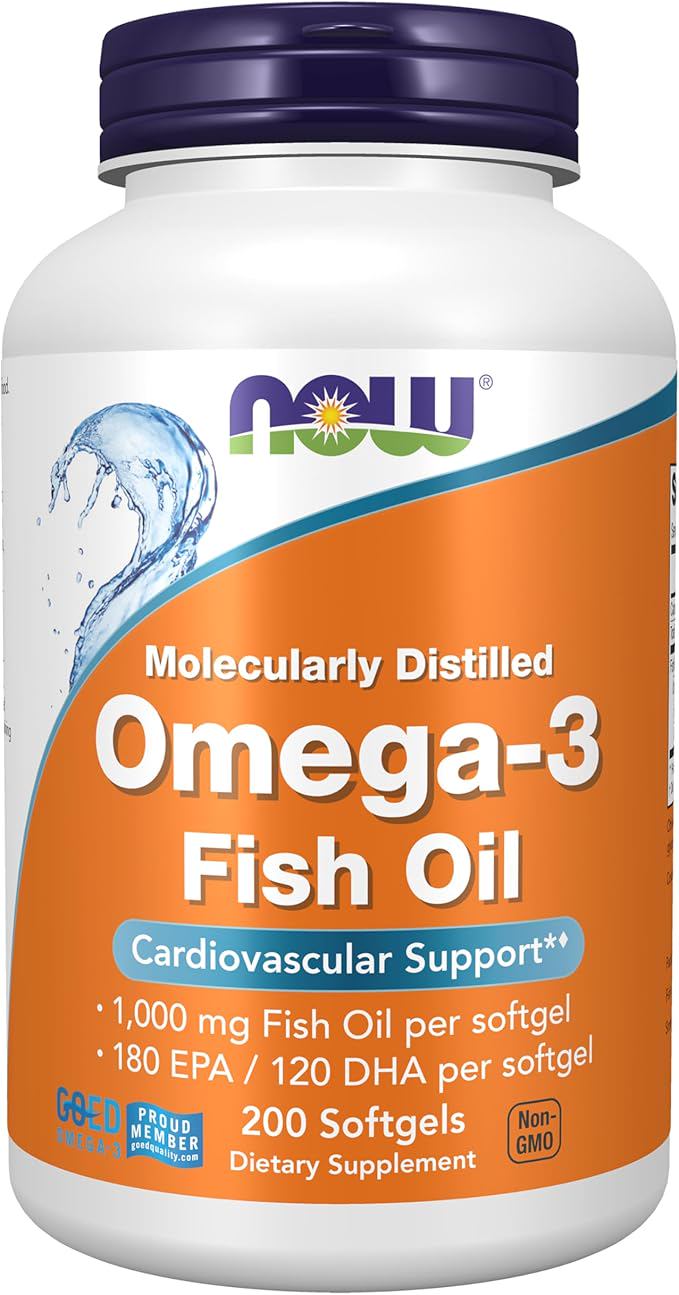
- Omega-3 Fatty Acids: Found in fatty fish (like salmon and mackerel), flaxseeds, chia seeds, and walnuts, these are powerful allies for calming inflammation.
- Antioxidants: Colorful fruits and vegetables (berries, leafy greens, bell peppers) help protect skin cells from damage.
- Zinc and B Vitamins: Present in legumes, nuts, seeds, and whole grains, these nutrients support skin health and repair.
- Hydration: Never underestimate the power of water. Proper hydration is essential for maintaining supple, healthy skin everywhere, including your scalp.
Making dietary changes is a personal experiment in wellness. If you have a severely itchy or inflamed scalp, it’s always wise to consult a dermatologist or healthcare provider to rule out specific medical conditions. But for many, paying attention to the plate is a simple, foundational step toward achieving a calmer, happier scalp—and healthier, more vibrant curls as a result.