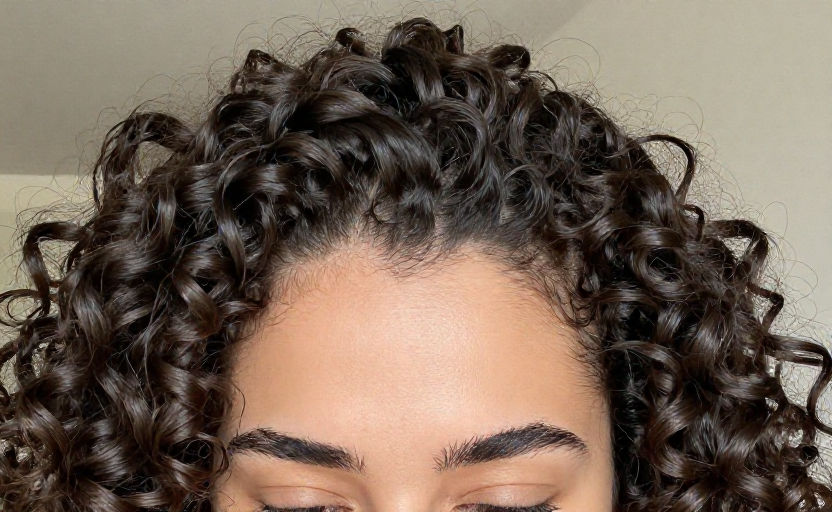
If you have curly hair and deal with recurring dandruff, you know the struggle extends beyond just the shampoo you use. While topical treatments and scalp care routines are essential, a growing number of dietitians and trichologists point to the plate as a key factor. For textured hair types, which can be prone to dryness and buildup, certain foods may actively trigger or worsen flaking, inflammation, and itchiness.
Here are three food categories that dietitians suggest cutting back on if you want a calmer, cleaner scalp underneath those curls.
1. High-Sugar Foods and Refined Carbohydrates
The link between sugar and skin inflammation is well established, and your scalp is no exception. When you consume high amounts of sugar or refined carbs—think white bread, pastries, sugary cereals, and soda—your body produces more insulin. This spike can ramp up sebum production, the oily substance that yeast (specifically Malassezia) thrives on. For curly hair, which often requires more oils and creams to stay moisturized, this can create a cycle of buildup and irritation.
According to registered dietitians we spoke with, cutting back on added sugars can reduce the fuel source for dandruff-causing fungi. Try swapping a morning pastry for a protein-rich breakfast with lower-glycemic carbs like oats or quinoa. Even swapping your soda for sparkling water with lemon can make a noticeable difference over a few weeks.
2. Dairy Products
Dairy is a common culprit when it comes to dandruff, especially for individuals with sensitivities to lactose or casein. Whole milk, cheese, and ice cream can promote inflammation and trigger an overproduction of oil on the scalp. For curls, this extra oil mixes with product residue and dead skin cells, leading to visible flakes that cling to hair strands.
Dietitians often recommend a two-week elimination period. Observe if your dandruff calms down after removing dairy, then reintroduce it slowly to see if symptoms flare. Many people find that fermented dairy like yogurt or kefir—which contains probiotics—is easier on the scalp than straight milk or processed cheese.
3. Fried Foods and Unhealthy Fats
Trans fats and heavily processed vegetable oils found in fried foods and many packaged snacks can promote systemic inflammation. A diet high in these fats can lead to a dull, irritated scalp that flakes more easily. For those with curly hair, the scalp's natural balance is already more delicate due to the twists and bends of the hair shaft, which can trap sebum and product close to the root.
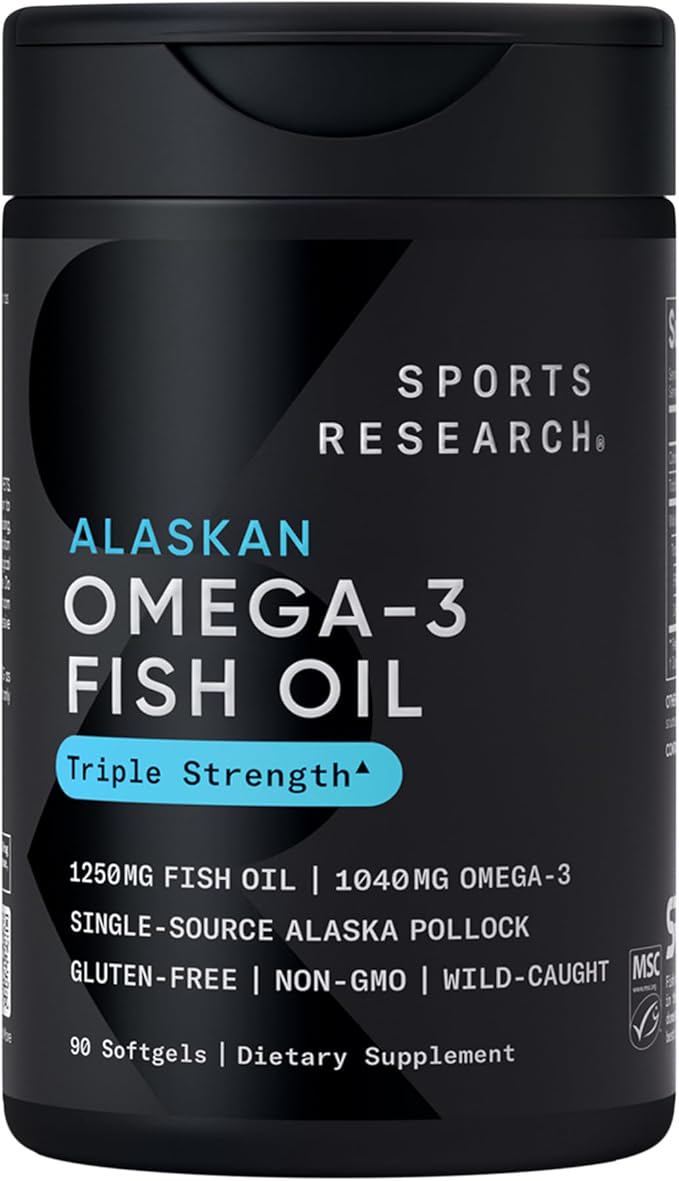
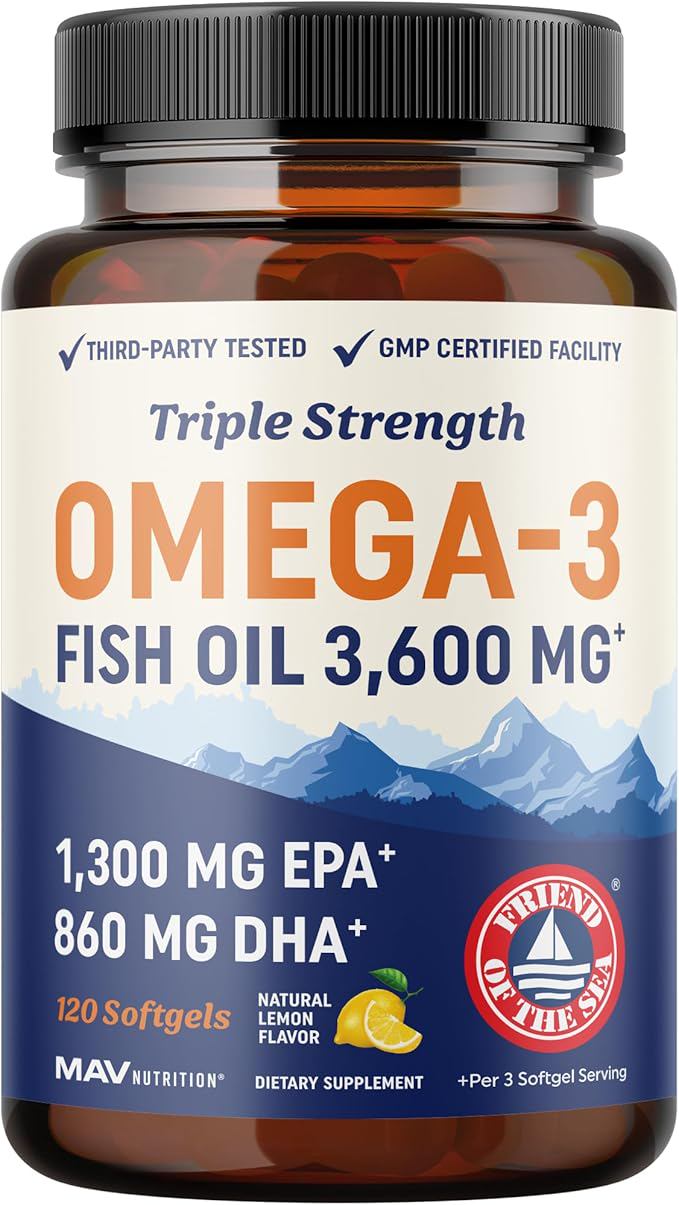
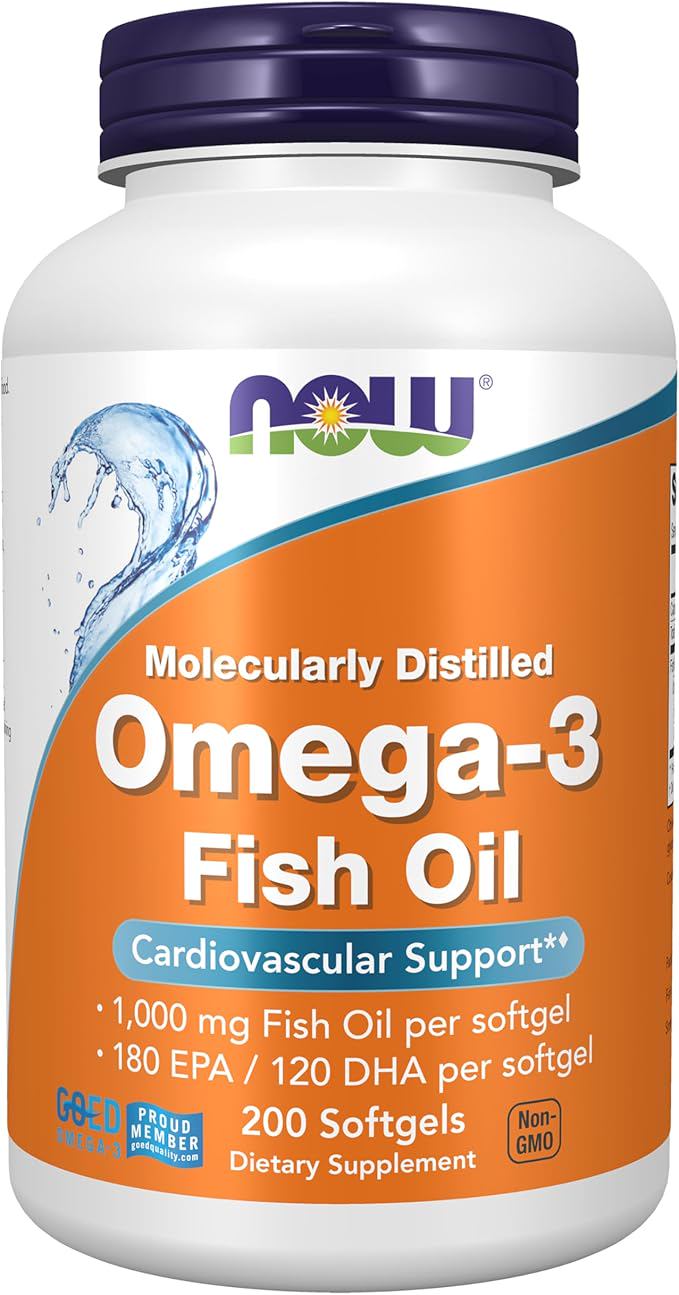
Dietitians suggest replacing fast food and fried snacks with whole-food sources of healthy fats—like avocados, walnuts, and olive oil—to support a healthier scalp environment. Omega-3 fatty acids, in particular, have been shown to reduce inflammation and may help balance the skin's microbiome.
Quick tip: Before cutting out major food groups, keep a simple food diary for one week, noting both your meals and your scalp condition. This can help you spot patterns without guesswork.
Ultimately, managing dandruff on curly hair requires a holistic approach. While a proper cleansing schedule and lightweight products are important, what you eat can either support or sabotage those efforts. Reducing sugar, dairy, and fried foods might not cure dandruff overnight, but it can create the internal environment your scalp needs to stay balanced and healthy.
As always, consult with a registered dietitian or dermatologist before making significant dietary changes, especially if you have underlying conditions like psoriasis or eczema.