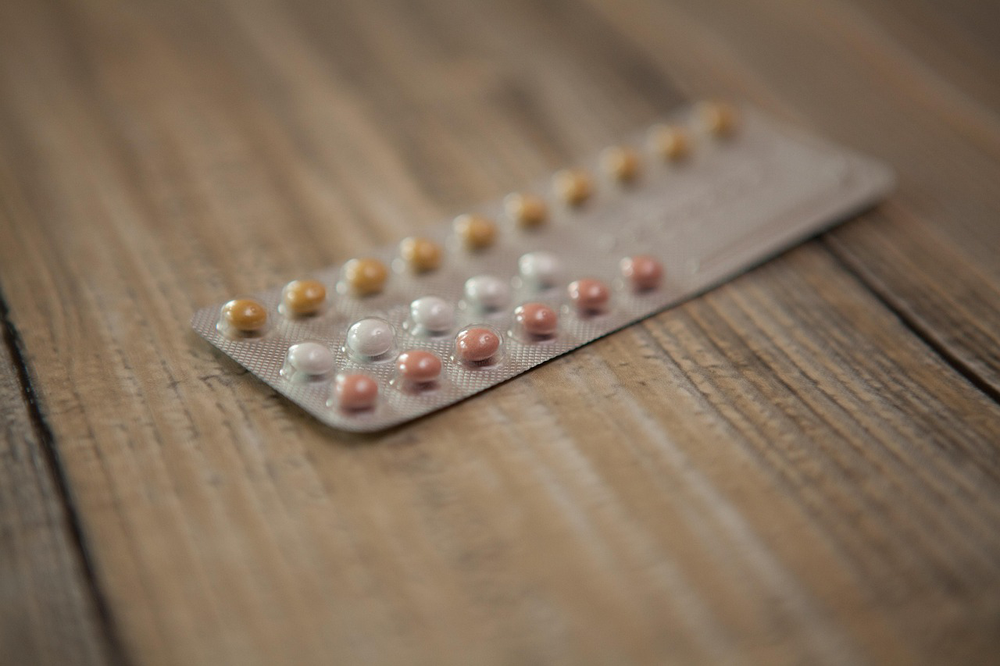
When you stop taking hormonal birth control, your body needs time to re-establish its natural menstrual cycle. For some women, this transition is smooth and quick. For others, cycles can be irregular for several months while the ovaries and pituitary gland re-sync. Nutrition plays a supporting role in this process, and certain foods may help gently encourage more regular ovulation.
Below are three food categories that research and clinical experience suggest may help regulate ovulation after stopping birth control. These are not medical prescriptions, but rather dietary adjustments to support your body's natural hormone production.
1. Full-Fat Dairy (Milk, Yogurt, Cheese)
After years on the pill, some women find their body has a harder time producing enough of its own sex hormones—including estrogen and progesterone—because the synthetic hormones in birth control suppressed natural production. Dietary fat is essential for hormone synthesis. Full-fat dairy provides a rich source of saturated fat and fat-soluble vitamins like A, D, and K2, all of which support hormone balance.
One large prospective study from the Nurses' Health Study II found that women who consumed one or more servings of full-fat dairy per day had a significantly lower risk of ovulatory infertility compared to those who ate low-fat dairy. The reason is thought to be that full-fat dairy improves insulin sensitivity and provides the building blocks for healthy ovulation.
Tip: Swap skim or 1% milk for whole milk, or add a serving of full-fat Greek yogurt or a handful of cheese to your daily meals. Even one serving a day can make a difference.
2. Oysters and Zinc-Rich Seafood
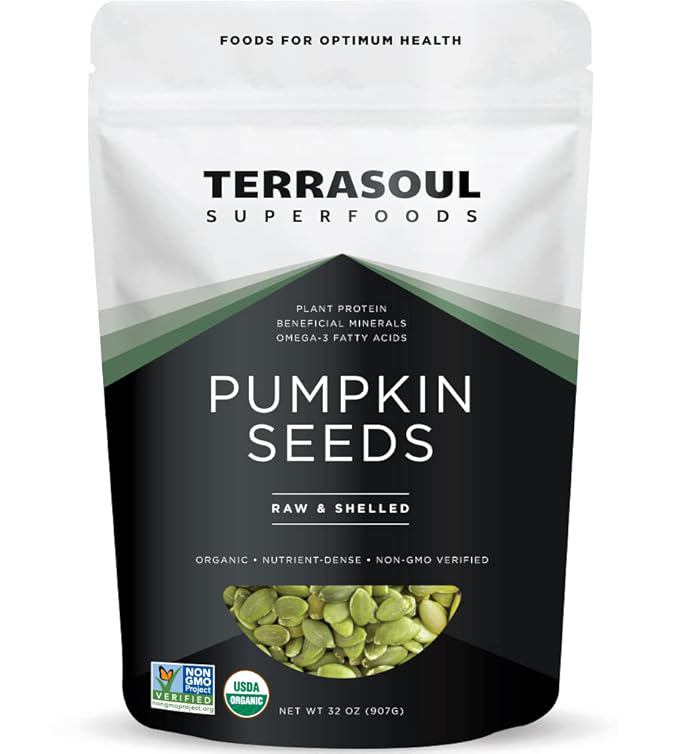
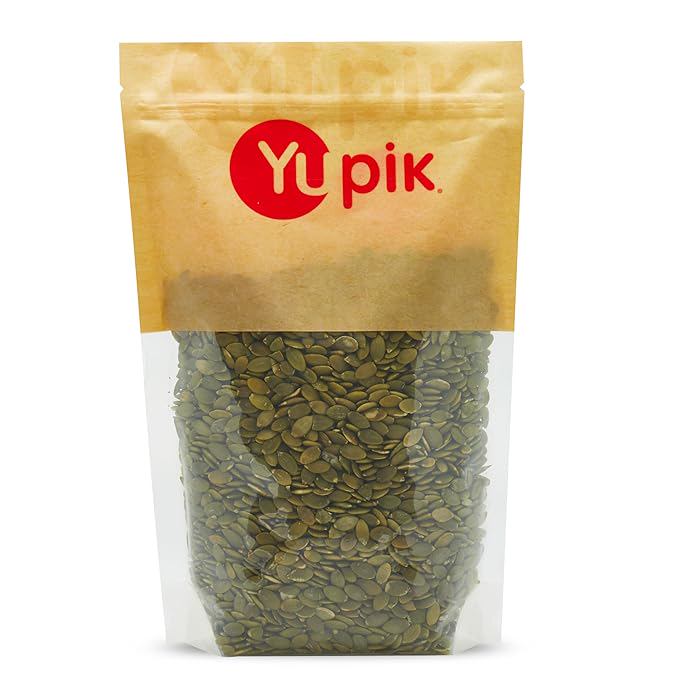
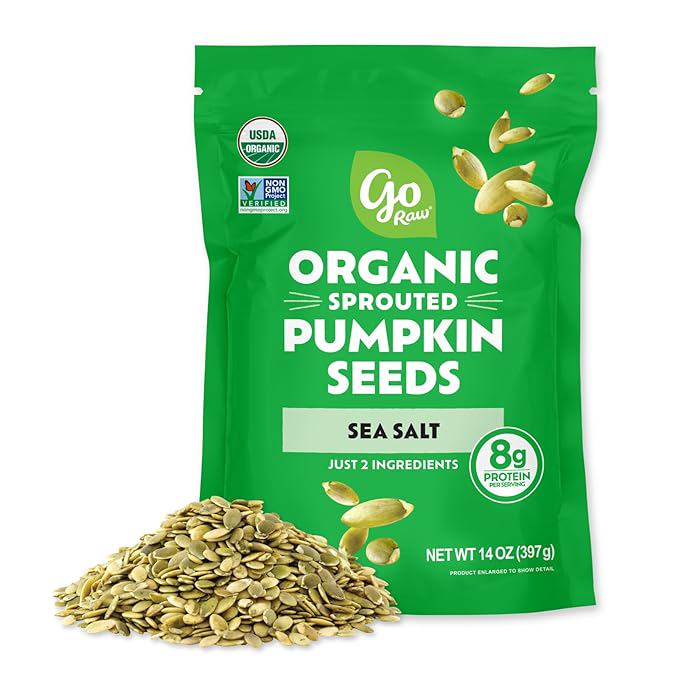
Zinc is often called a "fertility mineral" for good reason. It supports follicle development and helps regulate the menstrual cycle by influencing the function of the ovaries and the release of FSH (follicle-stimulating hormone). Oysters are the most concentrated dietary source of zinc, but other options include crab, lobster, beef, pumpkin seeds, and chickpeas.
Studies show that even mild zinc deficiency can lead to delayed ovulation, irregular cycles, and lower egg quality. After stopping birth control, your body is essentially resetting its hormonal dialogue. Getting enough zinc helps ensure that the pituitary gland can properly signal the ovaries to release a mature egg.
3. Leafy Greens and Cruciferous Vegetables
Broccoli, kale, Brussels sprouts, and spinach are packed with fiber and a compound called indole-3-carbinol (I3C). In the body, I3C is converted into diindolylmethane (DIM), which supports the liver’s ability to metabolize estrogen. This is particularly important after stopping birth control because the liver needs to clear synthetic hormones from the system efficiently. When estrogen metabolism is sluggish, it can contribute to heavy, painful periods or anovulation.
These vegetables also contain folate, which is critical for egg quality and reducing the risk of neural tube defects if you conceive soon after stopping birth control. Aim for at least one serving of leafy greens or cruciferous vegetables at two meals per day during the post-pill transition.
Putting It All Together: A Sample Day
- Breakfast: Full-fat Greek yogurt with pumpkin seeds (for zinc) and berries.
- Lunch: Large kale salad with grilled chicken, sliced apple, and a handful of broccoli florets.
- Dinner: Grilled oysters or beef stir-fry with bok choy and brown rice.
This is just one example. The key is to consistently include these three types of foods while paying attention to your body. Many women find that their cycles regulate within three to six months after stopping birth control, and a nutrient-dense diet can help make that transition smoother.
Note: If you have been off birth control for more than six months and still have irregular or absent periods, consult with a healthcare provider to rule out underlying conditions such as PCOS, thyroid dysfunction, or hypothalamic amenorrhea.