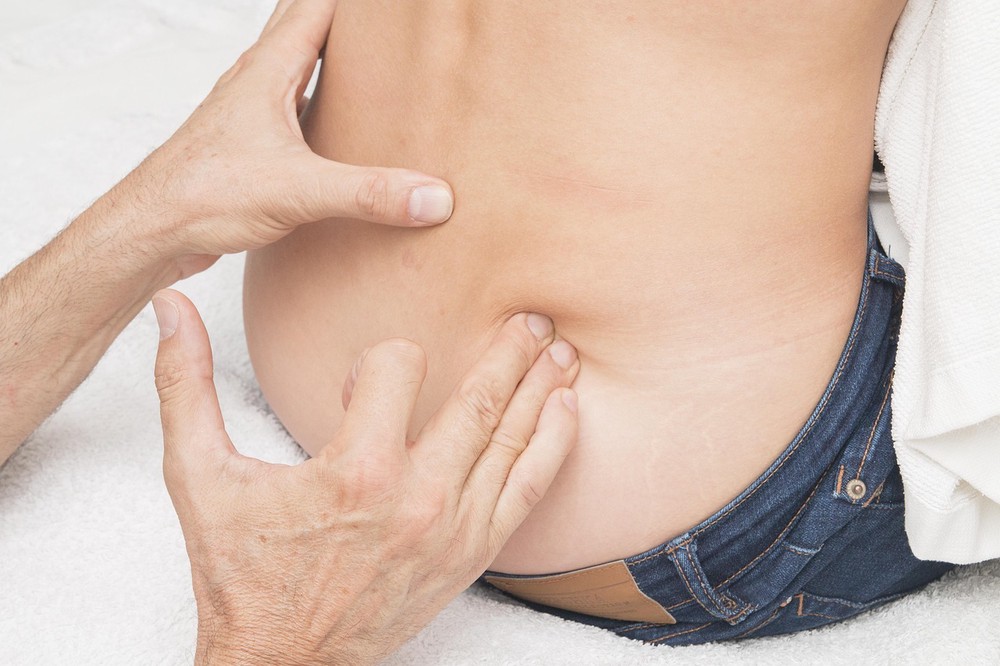
When you stop hormonal birth control, your body begins a natural reset. For some, this transition brings unwelcome pelvic pain or cramping as hormone levels adjust and the menstrual cycle reawakens. While your body recalibrates—a process that can take weeks or months—gentle dietary shifts may offer real comfort.
These three foods are chosen not as a cure, but as nutrient-rich options that support muscle relaxation, reduce inflammation, and help your system find its new balance. As always, listen to your body and talk with your healthcare provider about persistent or severe pain.
Fatty Fish for Omega-3s and Natural Anti-Inflammation
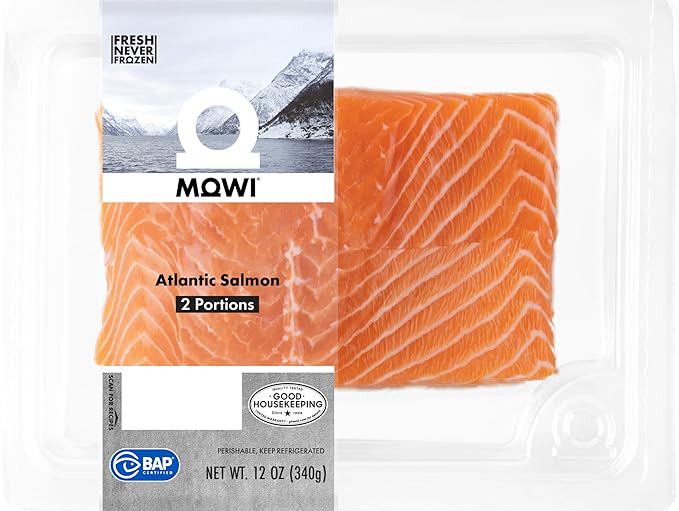
Pelvic pain often has an inflammatory component. Omega-3 fatty acids—especially EPA and DHA found in fatty fish—are well-studied for their ability to lower inflammation throughout the body. For someone coming off birth control, this can translate to less intense cramping.
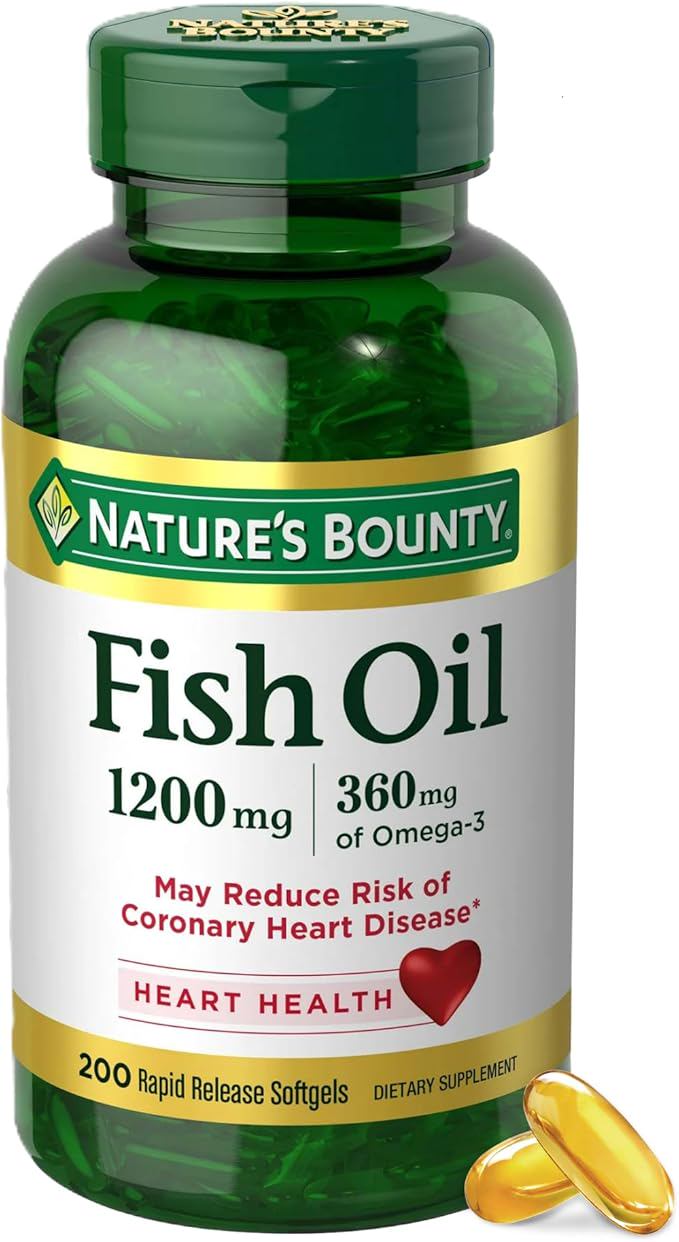
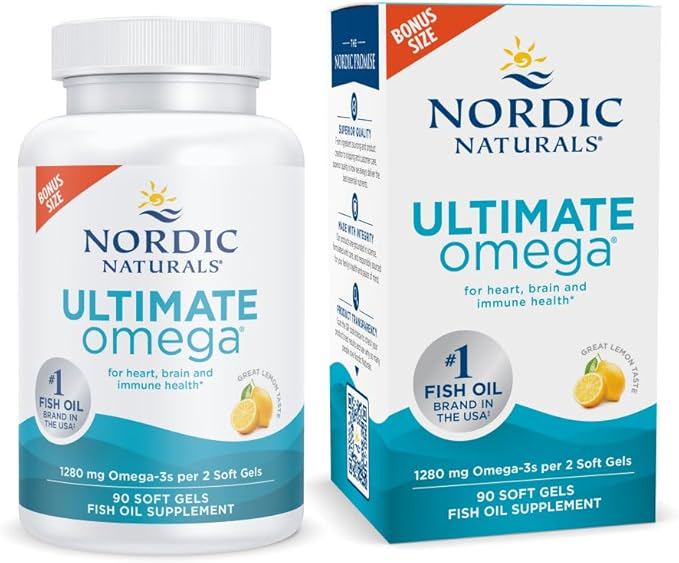
Salmon, mackerel, sardines, and anchovies are top sources. Try two to three servings per week, not fried or breaded. A simple broiled fillet with lemon and herbs is gentle on the stomach and delivers what your tissues need. If fish isn't your thing, a good-quality fish oil supplement (check the label for third-party testing) is a reasonable alternative, but whole food is ideal.
A quick note: Omega-3s also support mood stability, which is often welcome during the hormonal shifts of the post-pill period.
Leafy Greens for Magnesium and Muscle Relaxation
Magnesium is a mineral that plays a direct role in muscle contraction and relaxation. When your uterus is cramping, magnesium can help the muscle fibers let go more easily. Many women are mildly low in magnesium, and the post-pill adjustment period is a good time to pay attention to it.
Dark leafy greens like spinach, Swiss chard, and collard greens pack a fair amount of magnesium. Cook them lightly—sautéed or steamed—to make the nutrients more absorbable than raw. Pair with a squeeze of lemon or a dash of apple cider vinegar to help your body access the minerals.
Other solid magnesium sources include pumpkin seeds, almonds, black beans, and bananas, but greens are the most concentrated, low-calorie option for daily intake.
Ginger for Cramp Relief and Gut Support
Ginger has a long history in traditional medicine for menstrual discomfort, and modern research backs it up. Compounds called gingerols and shogaols have anti-inflammatory and pain-relieving effects that are particularly helpful for pelvic cramping.
Fresh ginger root is best. Grate a thumb-sized piece into hot water for a soothing tea, or add it to stir-fries, soups, and smoothies. Ginger can also ease any nausea that sometimes accompanies hormone shifts. Aim for one to two tablespoons of fresh ginger per day when pain is present.
Ginger supplements are available, but fresh or dried culinary ginger is generally safe and effective for most people—just be mindful if you take blood thinners, and check with your doctor if you have gallstones.
How These Foods Work Together
None of these foods is a standalone fix. What they do is create a nutritional environment that supports your body during a time of change. The omega-3s in fish lower systemic inflammation; magnesium in greens helps muscles relax; and ginger reduces cramping at the cellular level. Used consistently across a few days (especially in the week leading up to your expected period), they can noticeably reduce pain intensity.
That said, pelvic pain after stopping birth control can also be a signal of an underlying condition like endometriosis, fibroids, or ovarian cysts. If the pain is severe, lasts beyond the first few cycles, or is accompanied by unusual bleeding, please get a professional evaluation.