
Oily skin can feel like a constant balancing act. You wash your face, blot midday, and still notice shine by afternoon. While your skincare routine matters, what you eat plays a powerful role in how much oil your skin produces. Some everyday foods may be triggering your sebaceous glands to overwork, leading to clogged pores and breakouts.
Here are three foods that could be hiding in your diet and contributing to oily skin.
Refined carbohydrates and sugar
White bread, pasta, pastries, and sugary snacks are among the biggest culprits. These foods have a high glycemic index, which means they cause a rapid spike in blood sugar. This triggers the release of insulin and insulin-like growth factor 1 (IGF-1), a hormone that can increase sebum production. More oil on the skin surface often leads to enlarged pores and acne breakouts.
Sugary drinks like soda and sweetened coffee can have the same effect. Even so-called healthy options like fruit juice can spike insulin if consumed in large amounts.
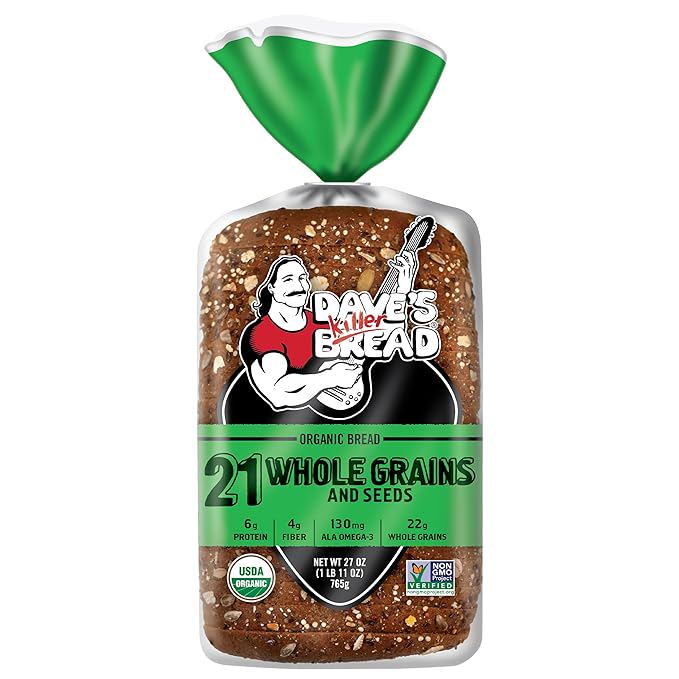
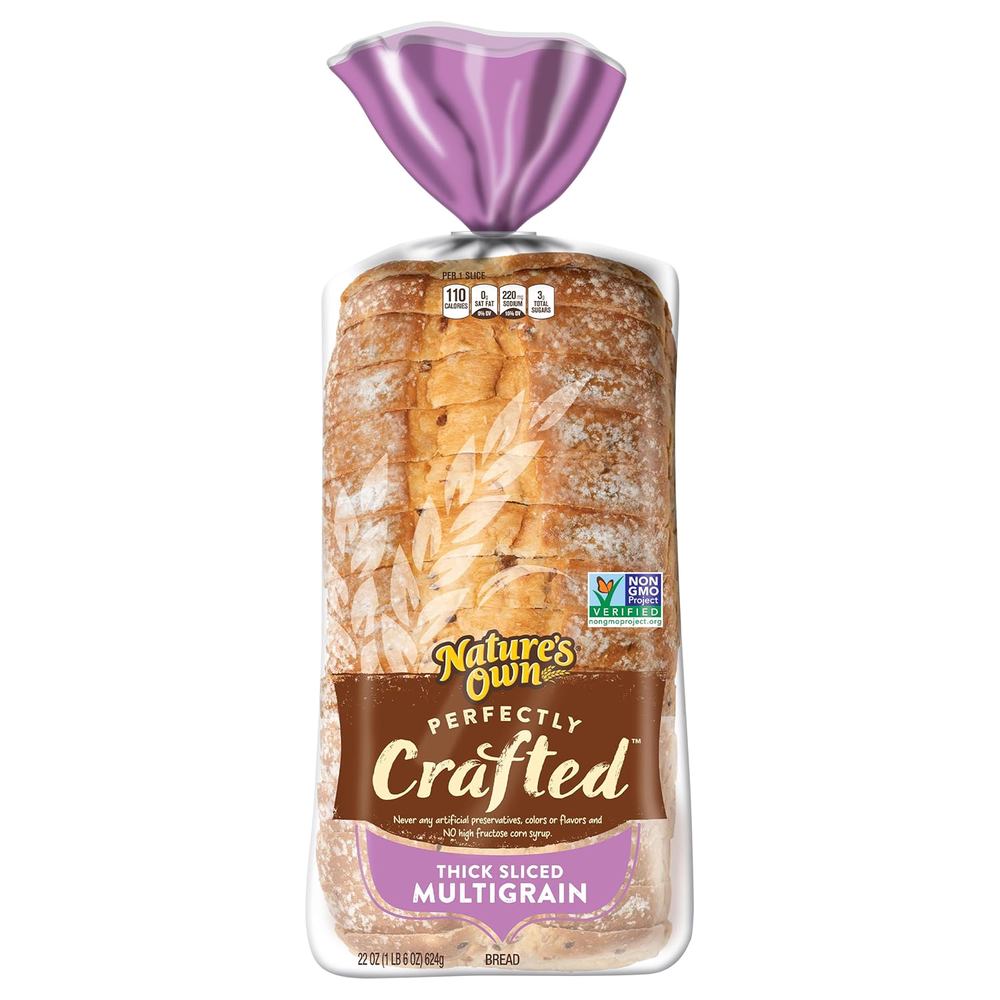
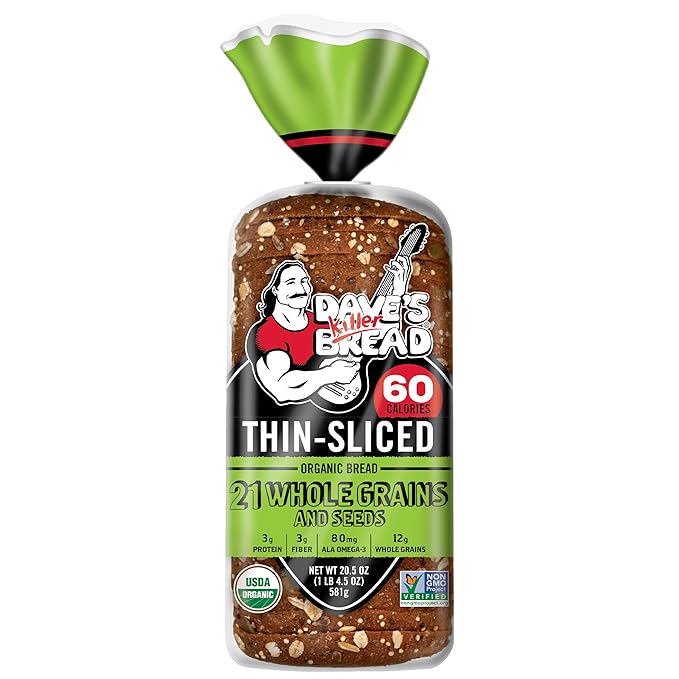
Try swapping white rice and bread for whole grains like quinoa or brown rice, and satisfy your sweet tooth with fresh fruit instead of processed sweets.
Dairy products
Milk, cheese, and ice cream are common staples, but they might be behind your oily complexion. Dairy contains hormones and growth factors that can stimulate oil production, especially in people who are sensitive to them. Cow's milk, in particular, has been linked to increased sebum output and acne flares in several studies.
This doesn't mean you must cut out all dairy. You can experiment with plant-based alternatives like almond milk or oat milk. You may also find that certain dairy products like yogurt or hard cheese affect you differently than liquid milk.
Fried and greasy foods
It is easy to assume that eating greasy food directly makes your skin oily, but the connection is more internal. Fried foods are often cooked in oils high in unhealthy fats, especially omega-6 fatty acids. While your body needs some omega-6s, an excess can promote inflammation. Inflamed skin is more prone to breakouts and may produce extra oil as a defense mechanism.
Many restaurant meals—even those that look healthy—are cooked with large amounts of vegetable oils. French fries, deep-fried chicken, and battered fish are obvious offenders, but stir-fries and even some salads can be heavy on the oil, too.
Opt for baked, grilled, or steamed versions of your favorite foods. Cooking at home with healthier fats like olive oil gives you more control.
What you can do today
You don't need to overhaul your entire diet overnight. Start by keeping a simple food diary for a week. Note what you eat and how your skin looks and feels a day or two later. You may notice a clear pattern linking certain foods to more oil and breakouts.
Staying hydrated with water instead of sugary or caffeinated drinks also helps regulate sebum production. And when you do indulge in the foods above, balance them with plenty of vegetables, lean protein, and omega-3-rich foods like walnuts or salmon.
Healthy skin comes from both your external routine and internal choices. By recognizing these three hidden triggers, you can make small adjustments that lead to clearer, less oily skin.