
When we think about skin aging, most of us focus on the face. But the neck often tells a different story—one that dietitians say can be influenced by what's on your plate. While no single food can reverse time, certain nutrients play a meaningful role in supporting the skin's structural integrity, especially in an area that's thinner and more prone to showing wear.
Here are three foods dietitians recommend for supporting neck skin elasticity, along with the science behind why they earn a spot on your grocery list.
Why Neck Skin Is Different
The skin on your neck has fewer sebaceous glands and less collagen density than your face. It's also exposed to constant movement (think nodding, looking down at your phone) and often less sun protection. That combination can make sagging and fine lines appear sooner. A targeted diet can't erase those factors, but it can supply the raw materials your skin needs to stay resilient.
1. Fatty Fish: The Collagen Support System
Salmon, mackerel, and sardines are rich in two things that matter for neck skin: long-chain omega-3 fatty acids and high-quality protein. Omega-3s help calm low-grade inflammation that breaks down collagen and elastin fibers over time. Meanwhile, the protein provides amino acids—especially glycine and proline—that your body uses to build and repair its own collagen.
Dietitians point out that you don't need huge portions. Two servings per week (roughly 3 to 4 ounces each) can be enough to notice a difference in skin hydration and firmness. Canned sardines or wild-caught salmon work equally well; what matters is consistency.
2. Citrus Fruits: Vitamin C for Cross-Linking
You've probably heard that vitamin C boosts immunity, but it's also essential for collagen synthesis. Specifically, vitamin C helps enzymes that cross-link collagen fibers—a process that gives skin its tensile strength and bounce. Without enough, even if you eat plenty of protein, your body can't stitch those amino acids into stable collagen bundles.
Oranges, grapefruits, kiwis, and bell peppers (technically a fruit) are all excellent sources. One medium orange delivers about 70 mg of vitamin C, which is well within the daily target. A dietitian tip: have citrus with a meal that includes healthy fat or protein to blunt the sugar spike, and pair it with iron-rich foods like spinach to boost absorption.
3. Almonds: The Skin Barrier Guardian
Almonds are dense in vitamin E, a fat-soluble antioxidant that protects cell membranes from oxidative damage. UV exposure and pollution generate free radicals that degrade collagen and elastin. Vitamin E neutralizes those free radicals before they can do as much harm. For the neck in particular, which often gets incidental sun exposure, this protective layer matters.
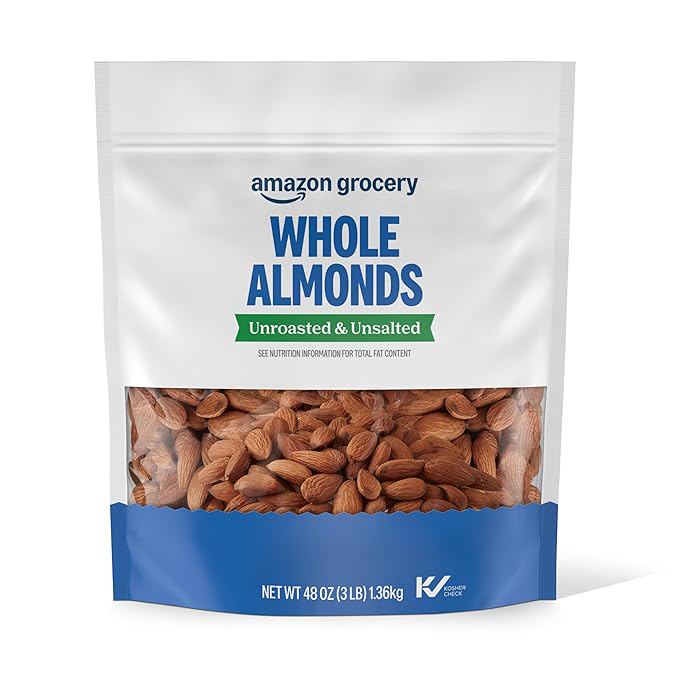
A small handful (about 1 ounce or 23 almonds) provides roughly half your daily vitamin E needs. Dietitians recommend raw or dry-roasted almonds without added salt or sugar to keep the benefit clean. You can also get vitamin E from sunflower seeds, hazelnuts, and avocados—but almonds are the most consistent, portable option.
A quick tip: Eating these foods in combination—like salmon with a squeeze of lemon, or almonds alongside an orange—can provide synergy that no single nutrient offers alone.
Beyond the Plate: What Else Helps?
Foods support neck skin, but they work best alongside a few simple habits. Stay hydrated (water helps maintain skin plumpness), wear sunscreen or a wide-brimmed hat on your neck, and avoid repetitive sleeping positions that crease the skin. Diet can't outrun mechanical stress or UV damage, but it can give your body a stronger foundation to handle them.
A Realistic Expectation
No food will tighten neck skin overnight or replace medical treatments. But over weeks and months, the nutrients from fatty fish, citrus, and almonds can help sustain the collagen and elastin you have. Dietitians stress that gradual improvement—not dramatic transformation—is the realistic outcome. Think of it as investing in your skin's future, not chasing a quick fix.