Managing blood sugar often feels like a delicate balancing act. While many foods can cause a rapid spike, others work quietly in the background to promote steadier levels throughout the day. The key isn't about finding a magic bullet, but rather incorporating specific, nutrient-rich foods that support your body's natural rhythms. Dietitians point to a few foundational categories that are particularly effective for this purpose, focusing on foods that slow digestion, provide sustained energy, and improve insulin sensitivity.
These foods aren't exotic or difficult to find. In fact, they're likely already in your kitchen. Their power lies in their specific combination of fiber, protein, and healthy fats, which work together to blunt the rapid absorption of sugars into your bloodstream. Let's look at three of the most consistently recommended food groups for supporting blood sugar stability.
Legumes: The Fiber and Protein Powerhouse
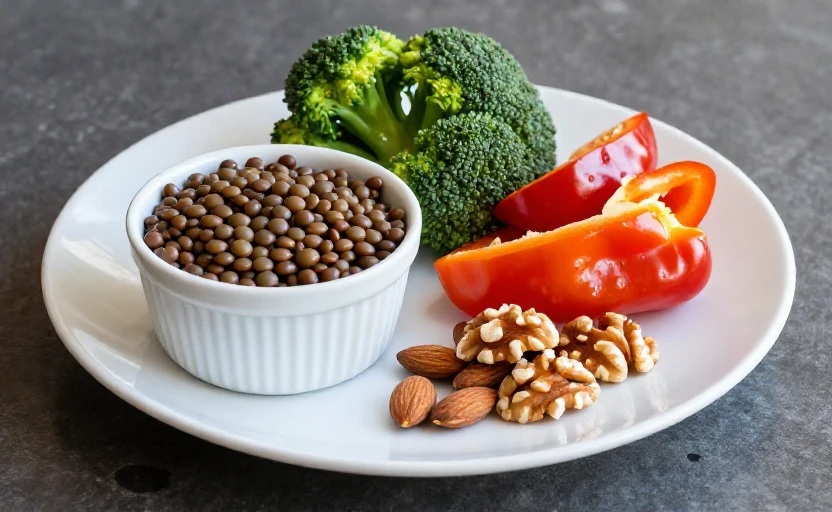
Beans, lentils, and chickpeas are cornerstones of a blood-sugar-friendly diet. Their superpower is a dual offering of substantial fiber and plant-based protein. This combination is crucial because it significantly slows down the digestive process. When carbohydrates are broken down more gradually, glucose enters the bloodstream at a slower, more manageable pace, preventing the sharp peaks and valleys that can disrupt your energy and mood.
Dietitians often highlight the soluble fiber in legumes, which forms a gel-like substance in your gut. This gel physically slows the absorption of sugars. Furthermore, the resistant starch found in many legumes acts like a prebiotic, feeding the beneficial bacteria in your gut. A healthier gut microbiome is increasingly linked to better metabolic health and improved insulin sensitivity.
Start by adding a half-cup of beans to a salad or soup. Their mild flavor makes them a versatile addition to many meals.
It's worth noting that canned varieties are perfectly fine—just be sure to rinse them thoroughly to remove excess sodium. Incorporating legumes several times a week, whether in a hearty lentil soup, a black bean taco bowl, or hummus with vegetables, can provide consistent, long-term benefits for glucose management.
Non-Starchy Vegetables: The Volume and Nutrient Foundation
Fill your plate with leafy greens, broccoli, cauliflower, peppers, zucchini, and asparagus. These vegetables are incredibly low in digestible carbohydrates and calories but high in volume, water, and essential vitamins and minerals. This means you can eat a satisfying portion that fills you up without causing a significant glucose response.
Their high fiber content, particularly insoluble fiber, adds bulk and helps promote a feeling of fullness, which can prevent overeating on other, less-stable foods. Many non-starchy vegetables are also rich in magnesium and antioxidants like vitamin C and polyphenols. Magnesium plays a direct role in carbohydrate metabolism and insulin action, while antioxidants help combat oxidative stress, which is often higher in individuals working to manage their blood sugar.
Think of these vegetables as the base layer of your meal. By building a meal around a generous portion of non-starchy vegetables, you naturally create a plate that supports steadier energy. They add crunch, flavor, and color while providing a protective, stabilizing effect.
Nuts and Seeds: The Source of Healthy Fats
A small handful of almonds, walnuts, chia seeds, or flaxseeds can be a powerful tool. Their primary benefit comes from their content of healthy unsaturated fats, fiber, and protein. Fat is the slowest-digesting macronutrient. When combined with carbohydrates, it further delays gastric emptying, leading to a more gradual rise in blood sugar.
Research suggests that regular nut consumption is associated with improved glycemic control. For instance, the magnesium, fiber, and healthy fats in almonds may help improve insulin sensitivity. Chia and flax seeds are exceptional sources of soluble fiber, which, as mentioned, forms that beneficial gel to slow sugar absorption.
Because they are calorie-dense, a serving size is key. Aim for about a small handful (roughly one ounce) as a snack or salad topping.
Including a serving of nuts or seeds with a carbohydrate-containing meal—like adding sliced almonds to oatmeal or stirring chia seeds into yogurt—can dramatically flatten the subsequent blood sugar curve. They provide sustained energy and satiety, helping you avoid the quick-sugar snack cravings that often follow a less-balanced meal.
Putting It Into Practice
The goal isn't to eat these three foods in isolation but to weave them into your overall eating pattern. A stabilizing meal often combines elements from at least two of these categories. For example, a lunch of a large leafy salad (non-starchy vegetables) topped with grilled chicken, chickpeas (legumes), and a sprinkle of sunflower seeds (nuts/seeds) dressed with olive oil checks multiple boxes for blood sugar support.
Remember that how you eat matters, too. Pairing a carbohydrate-rich food with a protein, fat, or fiber source is a practical strategy. An apple (carbohydrate) with a tablespoon of almond butter (fat/protein) is a more balanced snack than an apple alone. This pairing principle is a simple way to apply the science of these stabilizing foods to your daily routine.
Finally, consistency is more valuable than perfection. Regularly including these foods, staying hydrated, managing stress, and engaging in gentle movement like walking after meals all work synergistically to support your metabolic health. It's the cumulative pattern of choices that creates the most stable foundation.