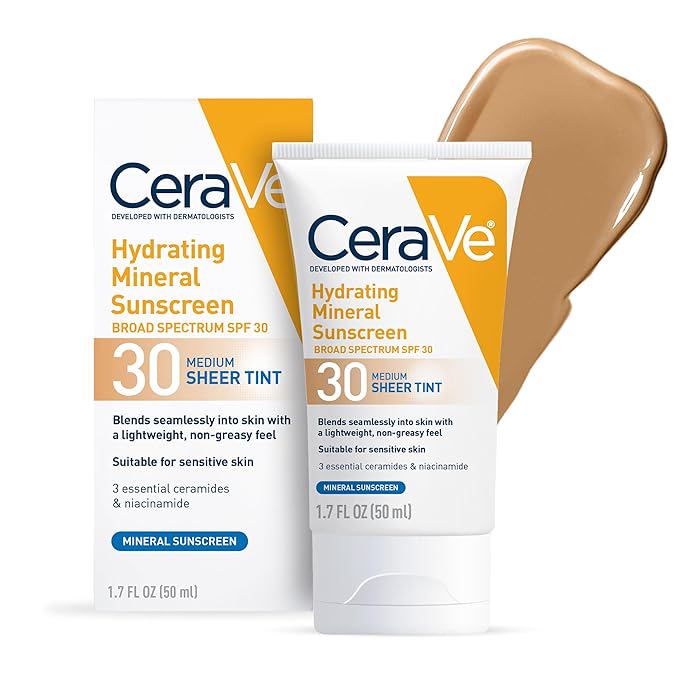
Sun protection goes far beyond what you put on your skin. While sunscreen is essential, the foods you eat can either help shield your skin from UV damage or make it more vulnerable. Certain foods contain compounds that can increase your skin's sensitivity to sunlight, potentially leading to more severe sunburns, premature aging, and even long-term damage. On the flip side, some foods are packed with natural compounds that bolster your skin's defenses.
Understanding which foods to limit and which to embrace can make a real difference in how your skin reacts to the sun. Below are three foods that may worsen sun damage—and smarter swaps to consider instead.
1. Citrus Fruits and Juices
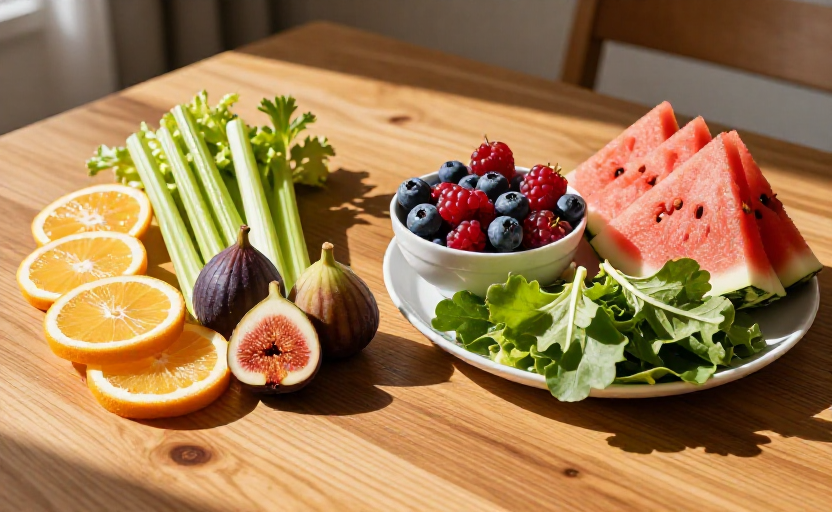
Oranges, lemons, limes, and grapefruits are rich in vitamin C and otherwise healthy, but they contain compounds called psoralens and furocoumarins. These natural chemicals can make your skin more reactive to UV light—a phenomenon known as phytophotodermatitis. If you handle citrus fruit and then spend time in the sun, you may develop redness, irritation, or even blistering in the affected area. Drinking large amounts of citrus juice may also increase photosensitivity over time.
What to Eat Instead: Watermelon and Cucumber
Watermelon and cucumber are both hydrating and gentle on the skin. Watermelon contains lycopene, a powerful antioxidant that some research suggests may help reduce the skin's response to UV exposure. Cucumber is mostly water, which helps keep skin cells hydrated and supports overall resilience. Both are safe, refreshing substitutes that don't trigger the same photosensitivity as citrus.
2. Celery, Parsnips, and Certain Herbs
Celery and parsnips are often praised for their fiber and nutrient content, but they also contain psoralens—the same light-sensitizing compounds found in citrus. Dill, parsley, and fennel are other common herbs that can heighten your skin's reaction to sunlight. Eating large servings of these foods, especially if you're about to head outdoors, can amplify the effects of UV radiation on your skin.
What to Eat Instead: Carrots and Leafy Greens
Carrots are rich in beta-carotene, which the body converts to vitamin A—a nutrient essential for healthy skin cell turnover and repair. Deep green leafy vegetables like spinach and kale provide lutein and zeaxanthin, antioxidants that may help protect skin cells from photoaging. These alternatives offer skin-supportive benefits without the phototoxic risk.
3. Figs
Fresh and dried figs are nutrient-dense fruits, but they also contain psoralens. This makes them a potential trigger for sun sensitivity, especially if you eat them frequently during summer months or before a day at the beach. The concentration of psoralens in figs can be high enough to cause noticeable reactions in some people.
What to Eat Instead: Berries and Pomegranate
Berries—such as blueberries, strawberries, and raspberries—are rich in vitamin C and anthocyanins, compounds that support collagen production and have anti-inflammatory effects. Pomegranate seeds offer potent antioxidants called punicalagins, which may help neutralize free radicals caused by UV exposure. These fruits are deliciously sweet and safe to enjoy without worrying about increased photosensitivity.
A quick note: Individual reactions to these foods vary. If you have a history of severe sun reactions, or if you're taking photosensitizing medications, speak with a healthcare professional before making major dietary changes. No food should replace your regular sun protection routine—sunscreen, protective clothing, and shade remain your primary defenses.