Reaching a certain age often brings wisdom, confidence, and... a new relationship with your moisturizer. Skin naturally becomes thinner, produces less oil, and loses some of its supportive structure. It also becomes more reactive. That familiar anti-aging serum might suddenly sting, or a gentle cream leaves you feeling tight and flaky. This is the reality of dry, aging skin: you need more support, but you can’t tolerate the irritation that often comes with it.
The good news is that you don’t have to choose between comfort and care. Shifting from a “fix it” mindset to a “support it” routine makes all the difference. Here are three expert-backed steps to manage dry, aging skin—without the redness, stinging, or irritation.
1. Revamp Your Cleansing Ritual
The biggest culprit for irritation is often the very first step of your routine. Harsh cleansers strip the skin's moisture barrier, leaving it vulnerable, tight, and reactive. For dry, aging skin, you need to prioritize gentle removal of impurities without disrupting the delicate lipid layer.
What to switch out
- Foaming or gel cleansers: These often contain sulfates (like sodium lauryl sulfate) that are too aggressive. They leave the skin feeling “squeaky clean,” which is a clear sign the barrier has been compromised.
- Rough physical scrubs: Abrasive particles can cause micro-tears and inflammation on fragile, thinning skin.
What to bring in
- Non-foaming cleansing milks or balms: Look for oil-based or cream cleansers that dissolve makeup and sunscreen without stripping. Ingredients like glycerin, ceramides, or squalane help maintain hydration as you cleanse.
- The “skip” approach: In the morning, many people with dry skin can skip the cleanser entirely. Rinsing with lukewarm water is often enough to freshen up without disrupting the barrier.
Barrier first, actives second. A compromised barrier makes every product you apply a potential irritant.
2. Master the Art of Layering Hydration
When skin becomes dry and reactive, the instinct is to slap on a thick cream and hope for the best. However, thin, aging skin often struggles to absorb a single heavy layer. The secret is to build hydration from the bottom up, using a sequence that mimics the skin’s natural structure.
Layer 1: The hydrating booster (before your moisturizer)
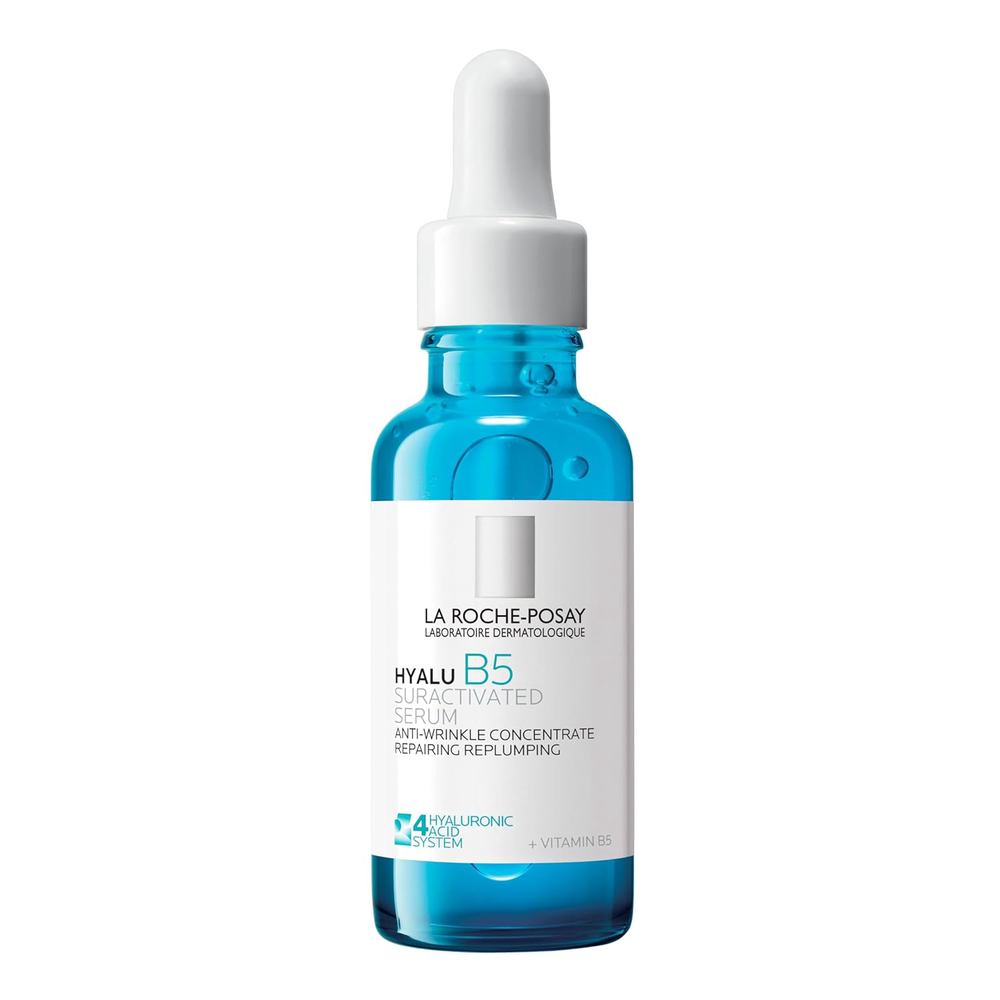
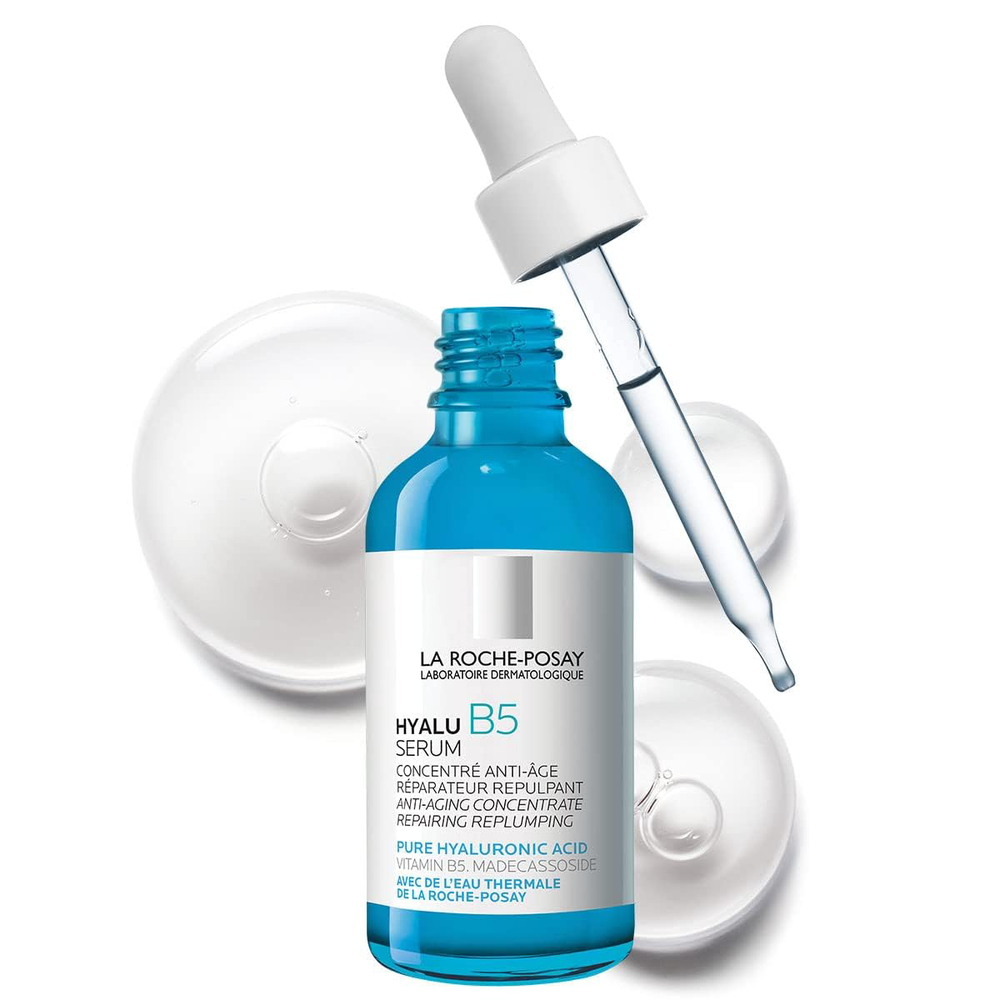
Apply a few drops of a glycerin-based or hyaluronic acid serum directly onto damp skin. This pulls lightweight water into the outer layers. It should feel like a gentle splash of moisture, not a sticky film. Avoid serums with alcohol, witch hazel, or essential oils, as these are common triggers for reactive skin.
Layer 2: The barrier-repair moisturizer
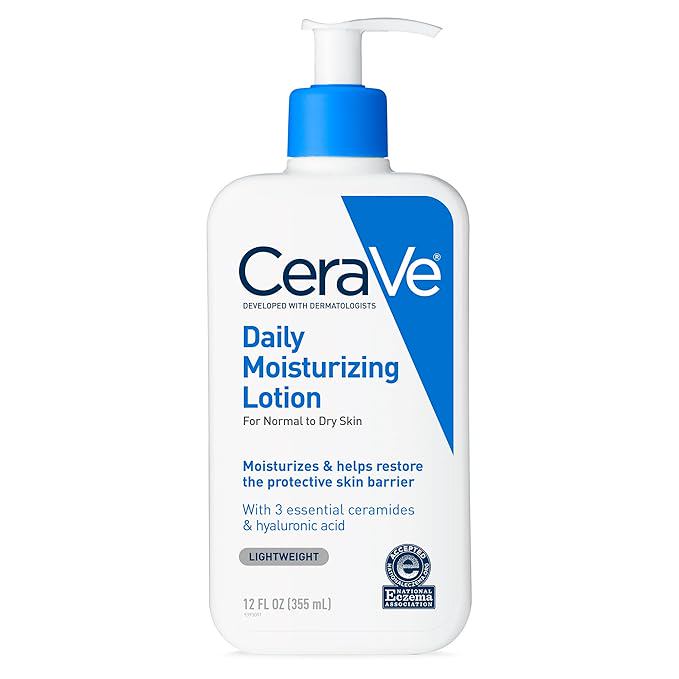
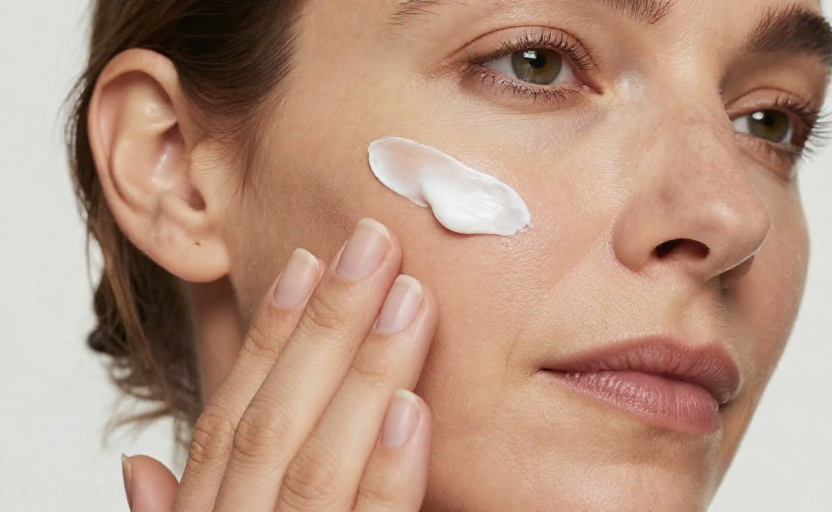
While the serum is still slightly tacky, apply your moisturizer. This is not the time for anti-aging peptides or retinol. You want ingredients that mimic the skin’s own lipids.
Look for formulas rich in:
- Ceramides: The “mortar” between skin cells that prevents moisture loss.
- Shea butter or squalane: Emollients that fill in the gaps and make the skin feel soft.
- Niacinamide (at low concentrations, around 2-5%): A soothing ingredient that helps reduce redness and supports barrier function.
Layer 3 (optional, but powerful for very dry skin): The occlusive
If you still feel dry, finish your nighttime routine with a very thin layer of a balm or an oil. Petrolatum-based ointments (like plain petroleum jelly) or simpler squalane oil seal in all the layers underneath. They create a physical shield that prevents water from evaporating.
3. Rethink Your “Active” Ingredients
The hardest adjustment for anyone with aging skin is stepping back from aggressive anti-aging actives. Retinoids, high-concentration vitamin C, and alpha hydroxy acids (AHAs) are effective but notoriously irritating, especially on a compromised barrier. You don’t have to stop all of them, but you absolutely must change how you use them.
Takeaway rule: Safety first, then efficacy
- Frequency matters more than percentage. A 0.3% retinol used twice a week is far more effective—and less irritating—than a 1% formula you can’t tolerate. Start with “sandwiching”: moisturizer, then a pea-size retinol, then another layer of moisturizer.
- Skip actives on “recovery” nights. Designate at least two nights a week as “barrier repair” nights, using only your hydrating serum and moisturizer.
- Consider peptides or growth factors. These are gentle, barrier-supportive alternatives to retinol that encourage collagen production without the peeling or stinging.
The final rule: Listen to your skin. If a product burns, causes prolonged redness, or makes the dry patches worse, it is not a “purge”—it’s a sign of damage. Stop using it. Healthy, comfortable skin is the foundation for any successful anti-aging strategy. Once the barrier is strong, you can slowly reintroduce more targeted treatments. Until then, consistency and gentleness are your most powerful tools.