
That snap-back feeling in your skin? It doesn't last forever. For most of us, the first signs show up in our late twenties or early thirties — a little less bounce around the eyes, a slower recovery after a smile, a slight loosening along the jawline. Skin elasticity loss is one of the most common concerns in anti-aging skincare, and it’s also one of the most misunderstood.
Elasticity is the skin’s ability to stretch and then return to its original shape. It depends on two hardworking proteins: collagen, which gives structure, and elastin, which literally springs things back into place. Over time, both degrade. But the process is not random, and it’s not purely about aging. Three distinct, well-studied mechanisms drive the loss of elasticity, and understanding them is the first step to slowing the process down.
1. The collagen-and-elastin breakdown (it starts younger than you think)
The single biggest cause of lost elasticity is the gradual fragmentation of collagen and elastin fibers. Think of youthful skin as a tightly woven trampoline. With age, the springs (elastin) fray, and the fabric (collagen) gets brittle. The extracellular matrix — the scaffold that holds everything together — loses its integrity.
This is not solely a consequence of getting older. Intrinsic aging (the natural passage of time) accounts for only about 10–20% of visible skin changes. The rest comes from extrinsic factors, and the most damaging one is ultraviolet radiation. UV rays penetrate deep into the dermis, triggering the production of enzymes called matrix metalloproteinases (MMPs). These enzymes are designed to remodel damaged tissue, but chronic sun exposure keeps them overactive, causing them to chew up collagen and elastin faster than your body can rebuild them.
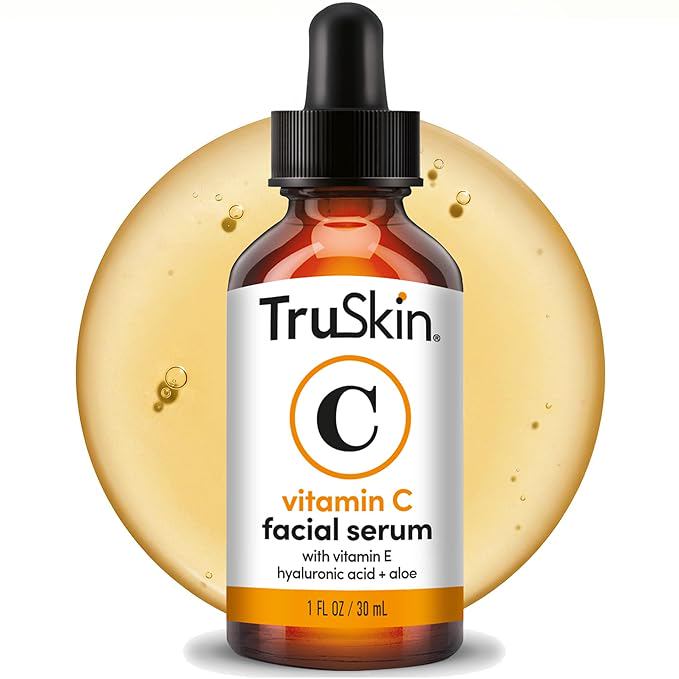
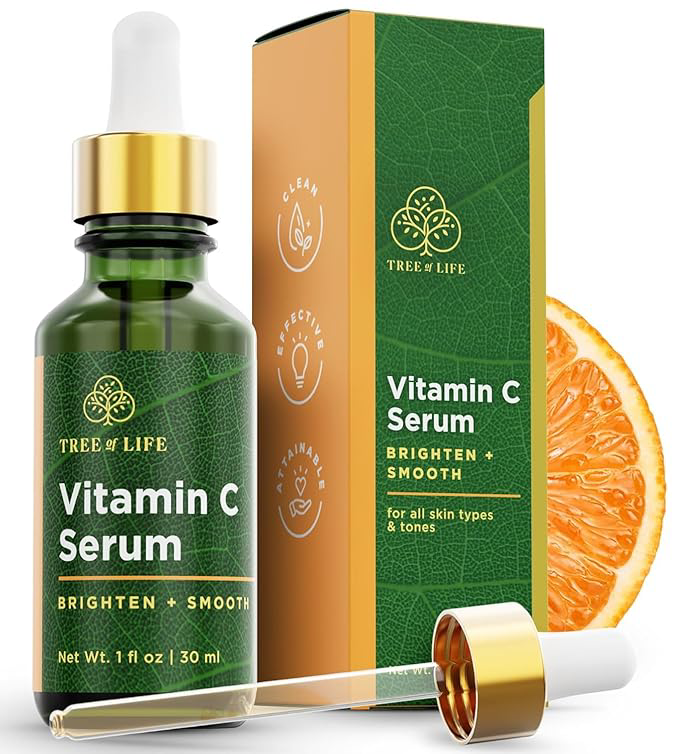
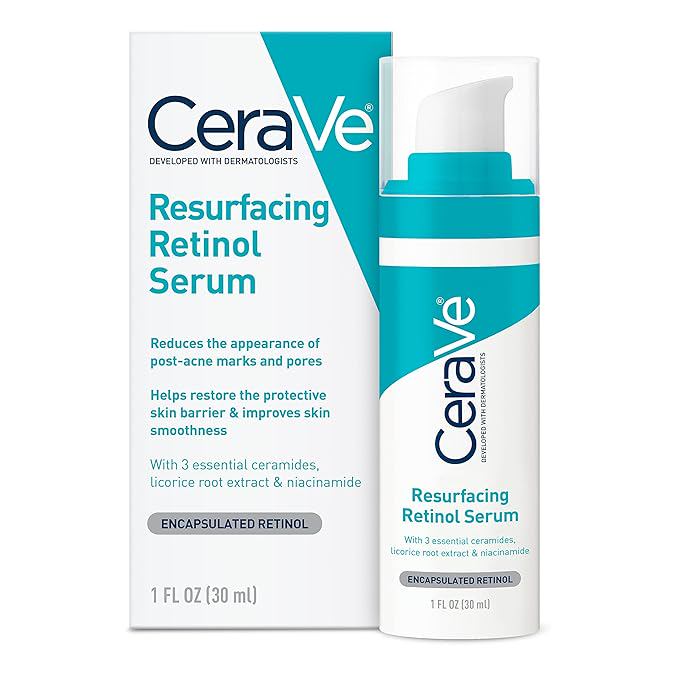
What you can do: Daily broad-spectrum SPF 30 or higher is non-negotiable. No serum or cream can compensate for unprotected UV exposure. Beyond sunscreen, look for topical retinoids (retinol, retinaldehyde, or prescription tretinoin) which stimulate collagen production and reduce MMP activity. Peptides and vitamin C serums also support the matrix. Consistency matters more than intensity — a simple, year-round routine out-performs short, aggressive bursts.
2. The glycation effect (sugar stiffens the springs)
If collagen and elastin are the structure, glycation is the rust. When excess sugar molecules in the bloodstream bind to proteins — including collagen and elastin — they form cross-linked structures called advanced glycation end-products (AGEs). These AGEs make fibers stiff, brittle, and unable to bounce back.
Glycation is accelerated by high blood sugar, even in people without diabetes. Spikes from refined carbohydrates, sugary drinks, and processed foods create a cascade that literally hardens the dermis. The result? Skin that feels less supple and looks more lined, especially around the mouth and eyes.
What you can do: Reducing added sugar is the most direct intervention. That doesn’t mean a no-carb diet — it means cutting back on soda, pastries, and ultra-processed snacks. Emerging research suggests that topical antioxidants like niacinamide and carnosine may help inhibit AGE formation, but no topical can fully undo glycation. A balanced diet with plenty of vegetables, lean protein, and healthy fats is your best defense.
3. The hormonal shift (estrogen’s quiet role)
For women especially, the menopause transition marks a steep drop in elasticity. Estrogen receptors are present on skin cells — fibroblasts — that produce collagen, elastin, and hyaluronic acid. When estrogen levels decline, those fibroblasts become less active. Studies show that women lose about 30% of dermal collagen in the first five years after menopause, and the decrease in skin thickness and elasticity is measurable even before periods stop completely.
This is not just about female skin. Men also experience a gradual decline in androgen hormones, though the effect is less pronounced and occurs more slowly.
What you can do: Hormone replacement therapy (HRT) under medical supervision has been shown to improve skin elasticity, but it’s not appropriate for everyone. Topical estradiol creams (prescription only) can be applied to the face. For those who cannot or choose not to use hormones, support collagen synthesis with oral supplements like collagen peptides (hydrolyzed collagen) — some human trials show improvements in skin elasticity after 8–12 weeks of daily use. Soy isoflavones, found in tofu and edamame, also mimic weak estrogenic effects and may offer modest benefits. Always consult a healthcare provider before starting any hormonal intervention.
A quick reality check
No single product or lifestyle change will reverse years of elasticity loss overnight. The most effective approach is layered: protect your skin from UV, manage your blood sugar, support your hormone environment (if applicable), and use targeted ingredients that stimulate repair. Patience and consistency deliver what quick-fixes never can.
If you are concerned about significant sagging or changes in texture that seem sudden or asymmetric, see a board-certified dermatologist. Sometimes, changes in skin elasticity can signal underlying health issues that deserve professional attention.