
If you’ve noticed your skin feeling a little thinner, your joints a little stiffer, or your nails chipping more easily than they used to, there’s a good chance collagen is on your mind—or, more accurately, a lack of it. Collagen is the most abundant protein in your body, forming the structural scaffolding that holds skin, bones, tendons, and ligaments together. But around the mid-20s, your natural production begins a slow, steady decline. By the time you’re 40, you’re making about 25 percent less collagen than you did in your youth. By 60, that number can drop by half or more.
While this aging process is inevitable, the speed at which it happens isn’t entirely set in stone. Research over the past decade has identified three key biological and lifestyle-driven factors that accelerate collagen loss. Understanding them is the first step to slowing that timeline so your body keeps building what it needs to stay resilient.
1. Intrinsic Aging and the Fibroblast Slowdown
The primary driver of collagen decline is simply time. Inside your dermis—the middle layer of your skin—cells called fibroblasts act as the body’s collagen factories. As you age, these cells become less active. They produce less collagen and, equally important, the quality of the collagen they create becomes less organized. Instead of forming the tight, orderly bundles that give skin its bounce, new collagen fibers become looser and more fragmented.
This process is often called “intrinsic aging,” and it’s the one you can’t avoid entirely. Your genetic blueprint sets a basic pace. But here’s the nuance many people miss: the rate of fibroblast decline is highly dependent on two other factors—sun exposure and diet—which means you have more control than you think over how fast this cellular slowdown actually plays out.
2. Sun Exposure: The Number One External Accelerator
Ultraviolet (UV) radiation from the sun is the single most destructive external force against your collagen supply. Unlike chronological aging, which happens gradually from the inside, photoaging—damage from UV rays—hits collagen directly and aggressively. UVB rays cause sunburn and DNA damage in the skin's outer layers, while UVA rays penetrate deeper into the dermis, where they break down existing collagen and trigger a process called cross-linking. Cross-linked collagen becomes stiff and dysfunctional, and your body's repair mechanisms can't easily fix it.
Even brief, unprotected exposure adds up. A 2013 study in the Journal of the American Academy of Dermatology found that just 10 minutes of midday sun on untanned skin can generate enough free radicals to start degrading collagen fibers within hours. Over years, this cumulative damage leads to visible thinning, wrinkles, and sagging—all signs of a collagen-depleted dermis.
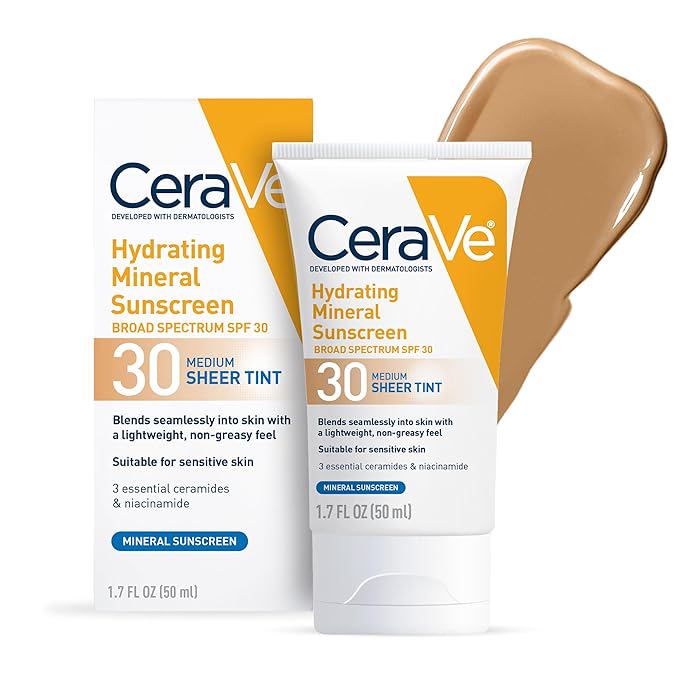
The best habit: daily broad-spectrum SPF 30 or higher on all exposed skin, even when it's cloudy or you're indoors near windows. UVA rays penetrate glass.
3. Dietary Habits That Deplete Collagen-Building Resources
Your body needs specific raw materials to manufacture collagen: amino acids, vitamin C, zinc, and copper. When your diet consistently falls short of these, collagen production slows, regardless of your age. The most common dietary pitfalls include:
- High sugar intake: Excess glucose and fructose in the bloodstream bind to collagen proteins in a process called glycation, forming advanced glycation end-products (AGEs). These AGEs make collagen fibers brittle and discolored. A 2021 review in Nutrients noted that high-glycemic diets are directly associated with more wrinkled, less elastic skin.
- Insufficient vitamin C: This nutrient is a cofactor for the enzymes that stabilize and cross-link collagen molecules. Without enough vitamin C—think citrus, bell peppers, strawberries, and leafy greens—your body cannot synthesize collagen efficiently, no matter how much protein you eat.
- Low protein intake: Collagen is built from the amino acids glycine, proline, and hydroxyproline. If your overall protein intake (or absorption) is low, your body may not have enough amino acid building blocks to dedicate to collagen production, since muscles and other tissues take priority.
By shifting these three factors—protecting your skin from UV rays, reducing dietary sugar, and ensuring adequate intake of protein and vitamin C—you can meaningfully influence how much collagen your body continues to produce as you age.
How to Slow Collagen Loss: 4 Evidence-Based Steps
You can’t turn back the clock entirely, but these strategies are supported by dermatologic and nutritional research for maintaining a healthy collagen supply:
- Wear sunscreen every day. Broad-spectrum SPF 30 or higher is non-negotiable. Reapply every two hours if you're outdoors.
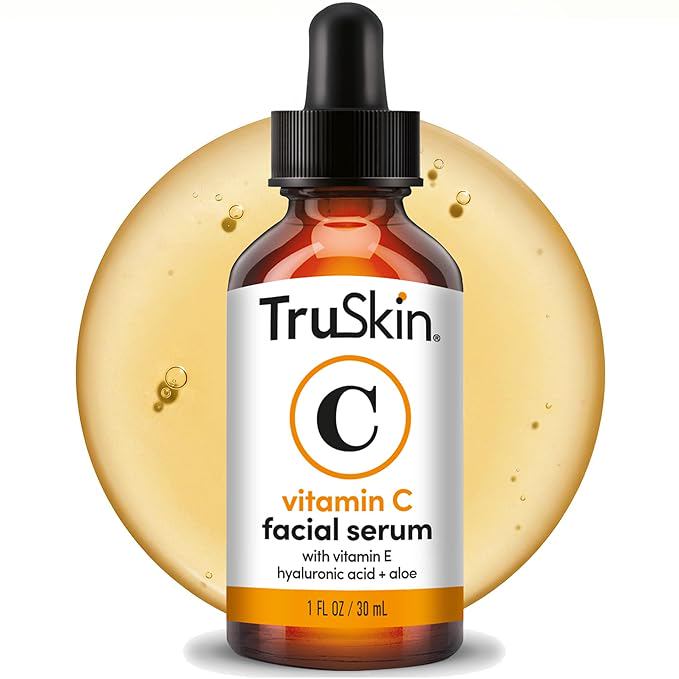
- Add vitamin C to your skincare routine. Topical L-ascorbic acid (vitamin C) helps protect existing collagen from oxidative damage and stimulates new collagen synthesis. Look for concentrations between 10 and 20 percent.
- Cut back on added sugar. Try reducing sugary drinks, refined snacks, and processed carbs. The lower your blood sugar fluctuations, the less glycation damage your collagen endures.
- Eat a collagen-supporting diet. Prioritize foods rich in vitamin C (citrus, kiwi, broccoli) and amino acids (bone broth, chicken skin, fish, eggs, beans). You don't need supplements—a well-rounded diet does the job.
Most topical collagen creams don't rebuild collagen because the molecules are too large to absorb through the skin. Focus instead on ingredients that stimulate your own collagen production, like retinoids and vitamin C.
Frequently Asked Questions About Collagen Production
Can collagen supplements actually help rebuild my body's collagen?
A small but growing body of research suggests that hydrolyzed collagen peptides may support skin hydration, elasticity, and joint comfort when taken consistently over several months. The science is still emerging, and results vary widely by age, diet, and supplement quality. Think of them as a possible addition to—not a replacement for—a healthy diet and sun protection.
At what age should I start worrying about collagen loss?
Collagen production begins to decline naturally in your mid-to-late 20s. Most people don't notice visible effects until their 30s or 40s, when lines, sagging, or joint stiffness become more apparent. Prevention-focused habits—sunscreen, good nutrition—are most effective if started in your 20s or early 30s.
Does smoking really affect collagen?
Yes, significantly. Smoking not only damages existing collagen through oxidative stress but also constricts blood vessels, reducing delivery of oxygen and nutrients to the skin. Studies show that smokers develop visible signs of skin aging—wrinkles around the mouth, thinning skin—10 to 20 years earlier than non-smokers.
Can exercise boost collagen production?
Moderate exercise improves blood circulation, which can increase the delivery of nutrients needed for collagen synthesis. Some research also suggests that resistance training may stimulate collagen production in tendons and ligaments. However, intense, prolonged endurance exercise may temporarily suppress collagen synthesis due to cortisol elevation. Balance is key.