
If you regularly deal with tension headaches or migraine attacks, the source of the pain might not be in your head—it could be in your spine. Poor posture, especially from hours spent looking down at screens, places persistent strain on the muscles, nerves, and joints of the neck and upper back. Over time, this mechanical stress can trigger headaches that return day after day.
Fortunately, research in physical medicine points to three specific postural corrections that can reduce both how often headaches occur and how intense they feel. These aren't quick fixes; they are small, sustainable changes to how you hold your body throughout the day. Below, we break down the expert-backed strategies that target the root cause of posture-related head pain.
Fix #1: Align Your Head Over Your Shoulders (The Chin Tuck)
The human head weighs about ten to twelve pounds. For every inch your head shifts forward from a neutral spine position, the effective weight on your neck muscles roughly doubles. This is the hallmark of “text neck” or “forward head posture,” a condition directly linked to cervicogenic headaches (headaches originating from the neck).
The correction: The chin tuck exercise retrains your deep cervical flexor muscles to hold your head in proper alignment. To do it, sit or stand tall with your shoulders relaxed. Without tilting your head up or down, gently pull your chin straight back—as if making a “double chin.” You should feel a gentle stretch at the base of your skull and a lengthening through the back of your neck. Hold for five seconds, then release. Repeat ten times, several times a day, especially after long periods of screen use.
Expert tip: Set a repeating timer to check your head position. A good rule is to keep your ears aligned directly over your shoulders when viewed from the side.
Fix #2: Open Your Chest and Reset Your Shoulders
Rounded shoulders and a collapsed chest are almost universal among people who sit at desks or drive for extended periods. This closed-off posture shortens the pectoral muscles and weakens the upper back muscles between the shoulder blades (the rhomboids and lower trapezius). The resulting muscle tension radiates up into the neck and scalp, frequently triggering tension-type headaches.
The correction: Perform a doorway chest stretch two to three times daily. Stand in an open doorway and place your forearms on the door frame at shoulder height. Gently lean forward until you feel a stretch across your chest and front shoulders. Hold for 30 seconds. To complement this, strengthen your upper back with a simple “scapular retraction” exercise: while sitting upright, squeeze your shoulder blades together as if holding a pencil between them. Hold for five seconds, release, and repeat ten times.
Fix #3: Create a Neutral Spine While Sitting and Sleeping
Your head and neck position during the eight hours you sleep is just as important as the sixteen hours you are awake. A pillow that is too high or too flat forces your cervical spine out of its natural C-curve, potentially triggering morning headaches. Similarly, slouching in a chair with poor lumbar support can create a chain reaction of tension up the spine.
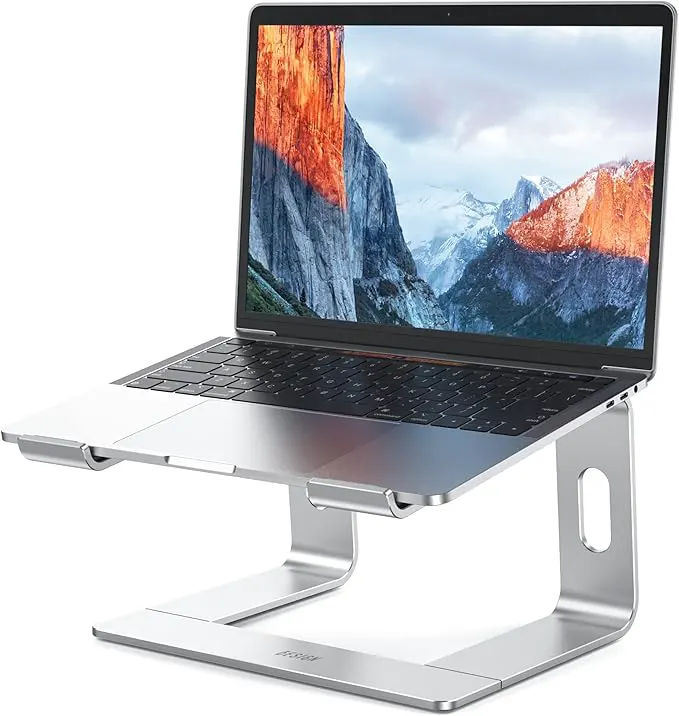
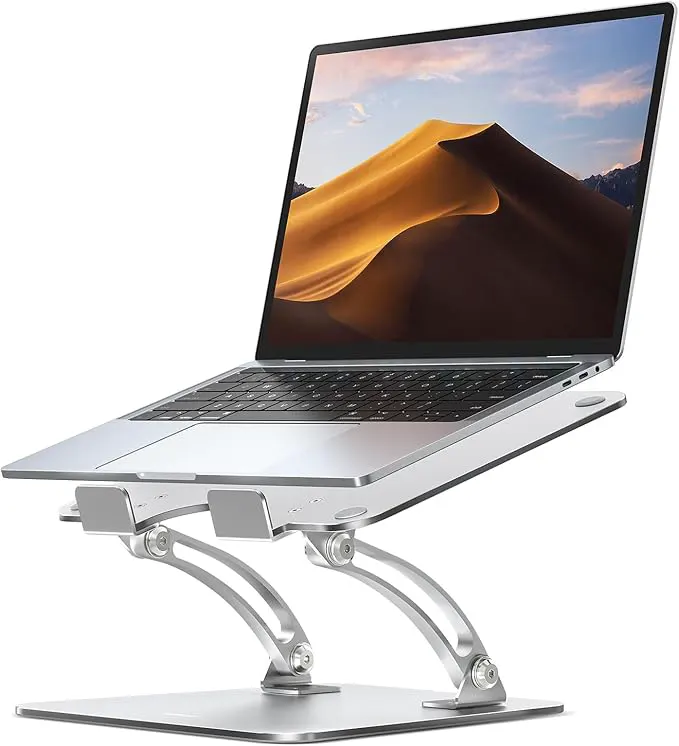
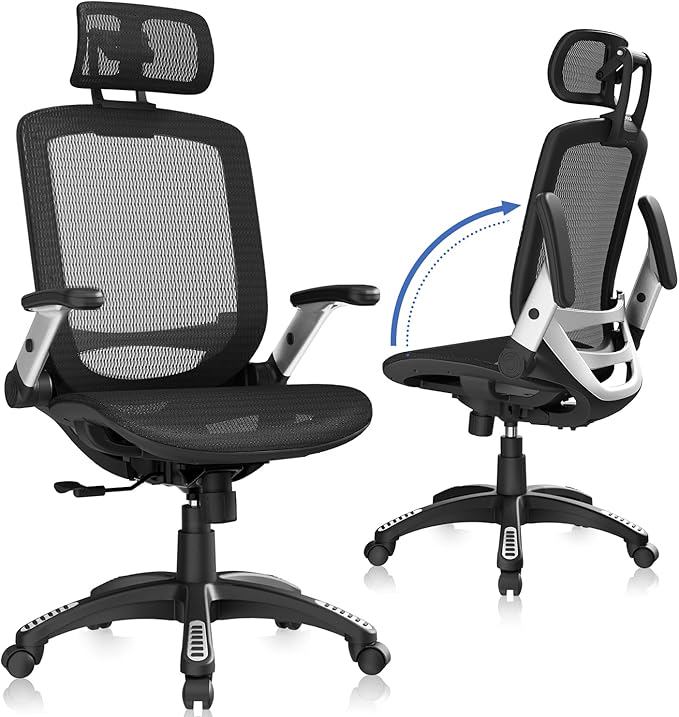
The sitting correction: Choose a chair that supports the natural inward curve of your lower back. Place both feet flat on the floor. Your knees should be at or slightly below hip level. Keep your monitor screen at eye level so you don't have to look down. If you use a laptop, consider a separate keyboard and a laptop stand to elevate the screen.
The sleeping correction: Side sleepers need a pillow that fills the space between the ear and the outside shoulder, keeping the spine straight. Back sleepers should use a thinner pillow that supports the neck's natural curve without propping the head too far forward. Stomach sleeping is generally discouraged for headache prevention, as it rotates the neck significantly.
Why These Fixes Work for Headaches
Each of these corrections targets a specific mechanical driver of headache pain. When your head sits forward, the suboccipital muscles at the base of your skull work overtime to keep your eyes level with the horizon. These overworked muscles refer pain directly into the head. Rounded shoulders create tightness in the levator scapulae and upper trapezius—muscles that attach to the skull. Correcting alignment reduces strain on these muscles and the occipital nerves that run through them.
A note on consistency: Posture correction requires repetition. A single session of stretches will not undo months or years of alignment habits. Consistency over several weeks is what produces measurable reductions in headache frequency.
If you have chronic headaches that do not improve with posture adjustments, consult a healthcare provider for a thorough evaluation. In some cases, headache triggers involve other factors such as diet, hormonal changes, or underlying conditions that require professional diagnosis.