
If you're trying to eat fewer carbs but still want lunches that don't taste like punishment, you're not alone. The challenge is real: most low-carb meals feel either boring or labor-intensive. But with the right meal prep strategies, you can build flavorful, satisfying lunches that keep you on track without taking over your Sunday afternoon.
We reached out to registered dietitians and meal-prep pros to find three tested approaches that balance taste, nutrition, and convenience. These aren't rigid rules—they are flexible frameworks you can tailor to your tastes and schedule.
Strategy 1: Build bowls with a protein base, leafy greens, and a bold dressing
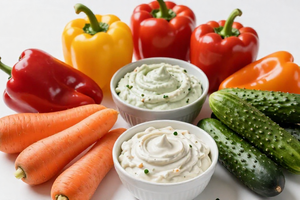
Bowls are the workhorse of low-carb meal prep because they're endlessly customizable. Start with a protein—grilled chicken, hard-boiled eggs, canned tuna, or baked tofu—then add a generous handful of spinach, arugula, or mixed greens. The key is adding something crunchy (like cucumber, bell peppers, or radishes) and a fat-rich dressing that brings everything to life.
Dietitian Sarah Miller, RDN, suggests making dressing from olive oil, vinegar, mustard, and herbs in a jar—shake once and it lasts the whole week. "The fat from the dressing and protein helps you feel full, while the greens keep the carb count low," she explains. Pre-portion everything into containers so you can grab and go without thinking.
Pro tip: Massage kale with a little olive oil and lemon juice before storing—it stays tender for days and won't get soggy like lettuce.
Strategy 2: Repurpose one cooked protein across multiple lunches
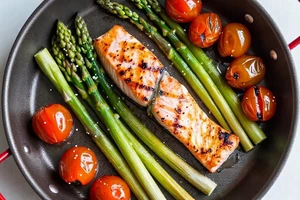
Instead of cooking a different protein every day, make a large batch of something simple—like roasted chicken thighs, ground turkey seasoned with taco spices, or pan-seared salmon—and use it in three different ways. This cuts your cooking time without sacrificing variety.
For example, use the same shredded chicken for:
- A crunchy lettuce wrap with avocado and salsa
- A small cucumber-and-tomato salad topped with chicken and a drizzle of ranch
- A quick stir-fry with broccoli and cauliflower rice
"The boredom factor kills most low-carb diets," says meal-prep coach Jenna Lee. "By changing the produce and sauce, you get three totally different lunches from one cooking session."
Strategy 3: Use smart vegetable swaps that actually satisfy
Swap traditional grains and starches with vegetables that mimic them in texture but not in carbs. Cauliflower rice, zucchini noodles, cabbage shreds, and roasted broccoli stalks all absorb flavors well and feel substantial. The trick is not to treat them as a sad substitute—instead, dress them generously with herbs, spices, and healthy fats.
For instance, a low-carb take on a grain bowl could be:
- Base: roasted cauliflower and Brussels sprouts
- Protein: grilled shrimp or chickpeas
- Toppings: feta cheese, olives, and a lemon-tahini dressing
Chef and nutrition educator Maria Gonzalez recommends roasting cauliflower with smoked paprika and garlic until golden brown. "When you get those caramelized edges, it's so savory you barely miss the rice," she says. Pre-portion roasted vegetables alongside protein so they can be quickly reheated or eaten cold.
Each of these strategies cuts down on daily decision fatigue while keeping your lunches genuinely tasty. The best approach is to pick one that fits your cooking style—whether you love assembling bowls, batch-cooking proteins, or exploring vegetable swaps. Over time, you'll find your rhythm and maybe even look forward to lunch.



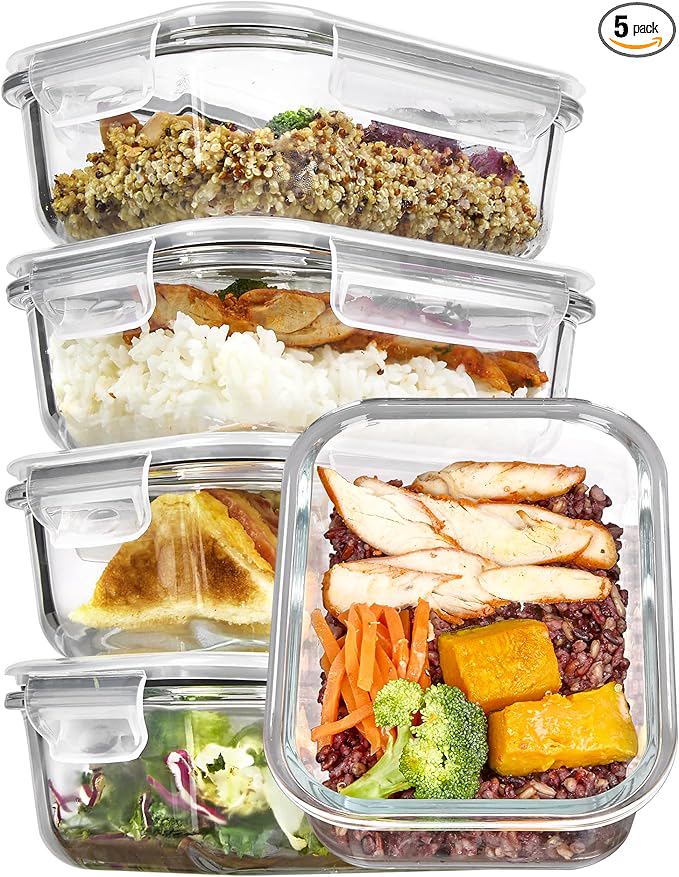
![[10-Pack] Glass Meal Prep Containers with Lids, MCIRCO Food Storage Containers with Snap Locking Lids, Airtight Lunch Containers, Microwave, Oven, Freezer and Dishwasher](https://www.glowtheorylab.com/uploads/ad202604/141a61456fdd8860.webp)