
Your skin’s moisture barrier — the outermost layer of the epidermis — is a lot like a brick-and-mortar wall. The skin cells are the bricks, and the lipids (oils, cholesterol, and ceramides) are the mortar. When the mortar is intact, your skin stays plump, hydrated, and resilient. When it weakens, moisture escapes, irritants get in, and you start dealing with dryness, flaking, or that persistent tight feeling after washing your face.
You can spend a fortune on creams and serums, but the foundation of a strong barrier starts from the inside out. Here are three foods, backed by dermatologists and nutrition researchers, that directly support the lipid layer and help your skin hold onto water.
Why diet matters for the moisture barrier
The skin barrier is made of lipids, and your body needs specific dietary fats to produce those lipids. Put simply: you can’t build a lipid wall if you aren’t eating the raw materials. Beyond that, a high-sugar diet can cause glycation, which stiffens collagen and weakens barrier function. Environmental stress and UV exposure also deplete the skin’s natural antioxidant reserves. Targeted foods can replenish those reserves and support the structural integrity of the stratum corneum.
The 3 foods to prioritize
1. Fatty fish (salmon, mackerel, sardines)
Fatty fish are the single best dietary source of long-chain omega-3 fatty acids, specifically eicosapentaenoic acid (EPA) and docosahexaenoic acid (DHA). These polyunsaturated fats get incorporated into skin cell membranes, improving their fluidity and reducing transepidermal water loss — the scientific term for water evaporating through your skin.
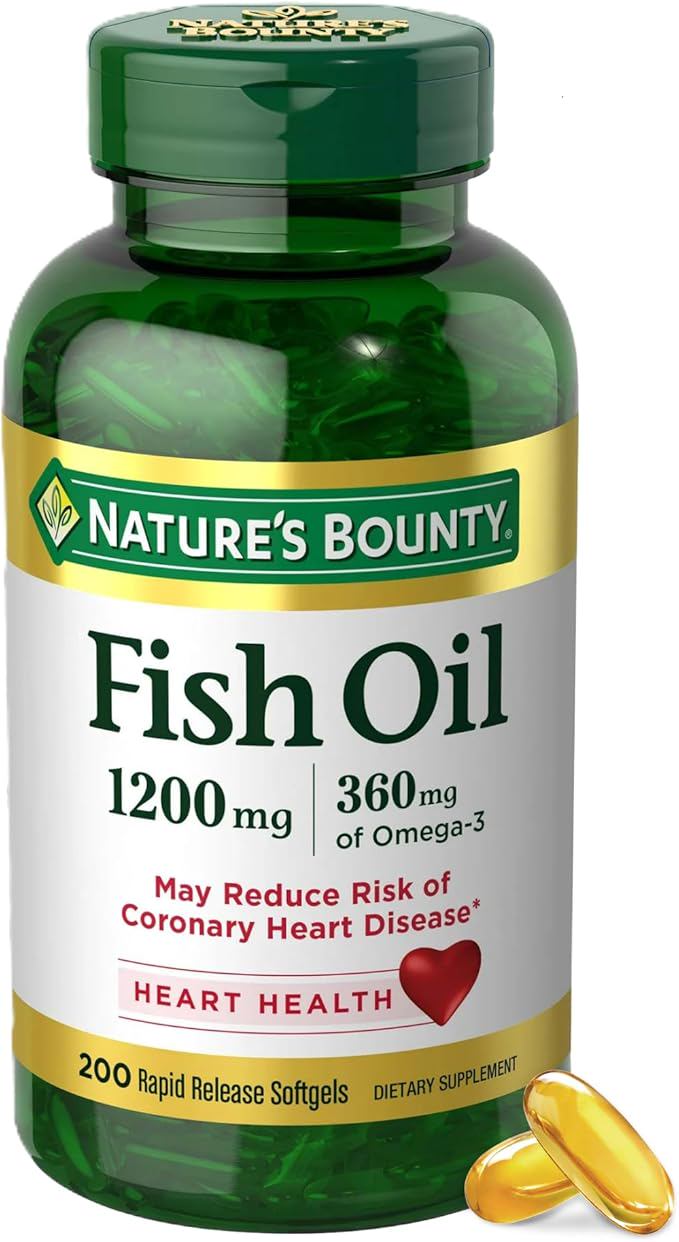
One placebo-controlled trial found that women who took a fish oil supplement rich in EPA and DHA for 12 weeks saw a significant increase in skin hydration and a reduction in roughness. Eating fish twice a week provides a similar benefit, including a calming effect on inflammatory skin conditions like eczema and psoriasis, which often involve a compromised barrier.
If you don’t eat fish, a microalgae-derived DHA supplement is a plant-based alternative, though the research on skin barrier improvement with algae alone is less robust than with whole fatty fish.
2. Avocados
Avocados are uniquely rich in two compounds that directly influence barrier function: monounsaturated fats and vitamin E. The monounsaturated fatty acids (oleic acid) help maintain the lipid matrix between skin cells, while vitamin E is a fat-soluble antioxidant that protects the barrier from oxidative damage, particularly from UV radiation.
A 2022 cross-sectional study including over 700 women found that those who ate a diet high in healthy fats — avocado was a major source — had firmer, more elastic skin with higher hydration levels. One-half to one whole avocado per day is a reasonable target, and it pairs well with the other foods on this list.
Avocados also provide lutein and zeaxanthin, carotenoids that accumulate in the skin and boost its ability to defend against blue light and photoaging, both of which degrade the barrier over time.
3. Walnuts
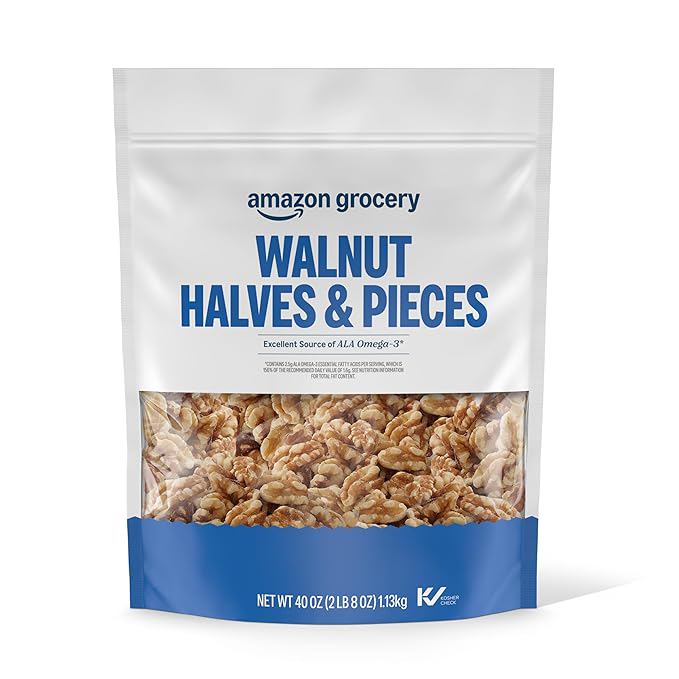
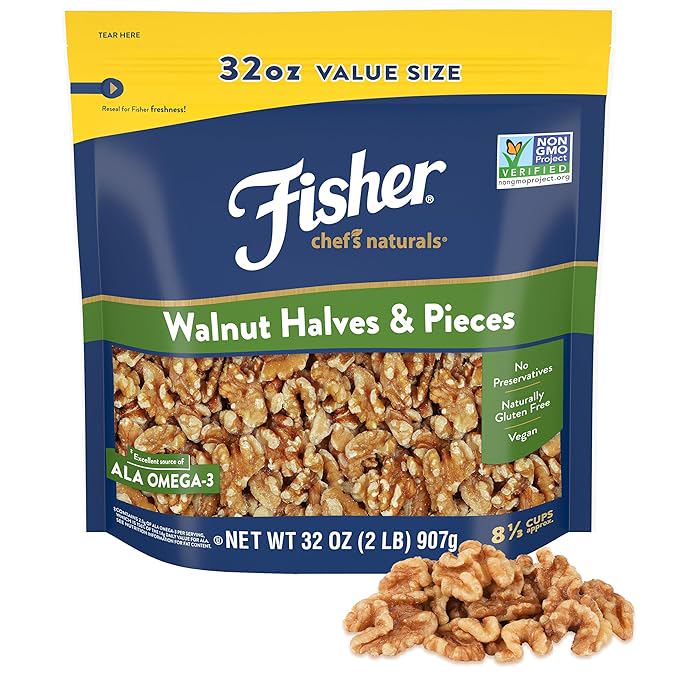
Walnuts are a rare plant food that contains a meaningful amount of alpha-linolenic acid (ALA), a plant-based omega-3. While the conversion of ALA to EPA and DHA is inefficient (less than 10%), walnuts still provide direct lipid support and a heavy dose of copper, a trace mineral required for collagen cross-linking and elastin formation.
Walnuts are also high in polyphenols, especially ellagitannins, which the gut microbiome converts into urolithins — compounds shown in lab studies to inhibit enzymes that break down collagen and hyaluronic acid. A one-ounce handful (about 14 halves) per day is enough to contribute to these benefits without overloading on calories.
Tip: Walnuts go rancid quickly because of their high polyunsaturated fat content. Store them in the freezer or an airtight container in the fridge to preserve their lipid profile.
How to combine them for maximum benefit
You don’t need to eat all three at every meal, but aiming for variety across your week supports all the different lipid types your barrier needs. Here’s a simple framework:
- Breakfast: Half an avocado on whole-grain toast with a sprinkle of hemp seeds (bonus ALA).
- Lunch: Grilled salmon salad with walnuts and mixed greens.
- Snack: A handful of walnuts and a pear.
- Dinner: Sardines or mackerel with roasted vegetables and olive oil (which also contains barrier-supportive oleic acid).
What else helps the moisture barrier?
Food alone won’t fix a broken barrier if your environment or habits are working against it. Keep these basics in check:
- Hydration: Drink enough water. Even mild dehydration reduces skin elasticity and barrier function.
- Gentle cleansing: Avoid foaming cleansers with sulfates that strip the lipids off your skin. Use a cream-based or oil-based cleanser instead.
- Humidity: Dry indoor air pulls moisture from your skin. A bedroom humidifier can make a noticeable difference in winter or arid climates.
- Limit hot showers: Hot water dissolves the intercellular lipids. Stick to warm water and keep showers under 10 minutes.
The bottom line
Supporting your skin’s moisture barrier doesn’t require a complex regimen or expensive supplements. Fatty fish, avocados, and walnuts are three whole foods that deliver the fats and micronutrients your skin needs to stay hydrated, flexible, and protective. Include them in your regular rotation, and your skin will show the difference — no cream required.