
Collagen is the scaffolding that keeps skin firm, plump, and resilient. As we move through our 30s, 40s, and beyond, natural collagen production begins a slow, steady decline. While you cannot stop the clock, you can absolutely influence how your skin responds to it. Instead of chasing expensive creams or powders with questionable claims, consider what you put on your plate. The right dietary choices can provide the building blocks your skin needs to maintain structure and bounce. Here are three expert-backed diet swaps that directly support collagen in mature skin.
Swap Sugar-Laden Breakfasts for Protein-Rich Mornings
A pastry and sweet coffee might feel like a comforting start, but it is one of the fastest ways to undermine collagen. Excess sugar in the bloodstream binds to proteins through a process called glycation, forming harmful compounds known as advanced glycation end products (AGEs). AGEs make collagen stiff and brittle, accelerating wrinkles and sagging.
The simple swap: replace sugary cereals, pastries, or flavored yogurts with a breakfast centered on high-quality protein. Think eggs, plain Greek yogurt with berries, or a smoothie made with unsweetened protein powder and spinach. Protein provides the amino acids—especially glycine, proline, and hydroxyproline—that are the raw material for collagen synthesis. You are not just skipping sugar; you are actively supplying the building blocks your skin needs.
Tip: Pair your protein with a source of vitamin C, like a handful of strawberries or a side of bell peppers. Vitamin C is a critical cofactor for collagen formation.
Swap Processed Snacks for Copper-Rich Choices
Copper is a trace mineral that often flies under the radar, yet it plays an essential role in cross-linking collagen and elastin fibers. Without adequate copper, the body cannot form strong, stable collagen structures. Unfortunately, many standard snacks—chips, crackers, and pretzels—offer little to no copper and often come with inflammatory seed oils or excess sodium that can stress the skin.
The better option: reach for copper-rich whole foods instead. Soaked or roasted cashews make a satisfying crunch, while sesame seeds (think tahini) and dark leafy greens like Swiss chard or kale add variety and texture. You can also incorporate lentils or chickpeas into a midday bowl or salad. This swap provides the mineral that helps your body knit new collagen fibers together, giving your skin better support from the inside out.
Swap Low-Fat Meals for Healthy Fats at Every Meal
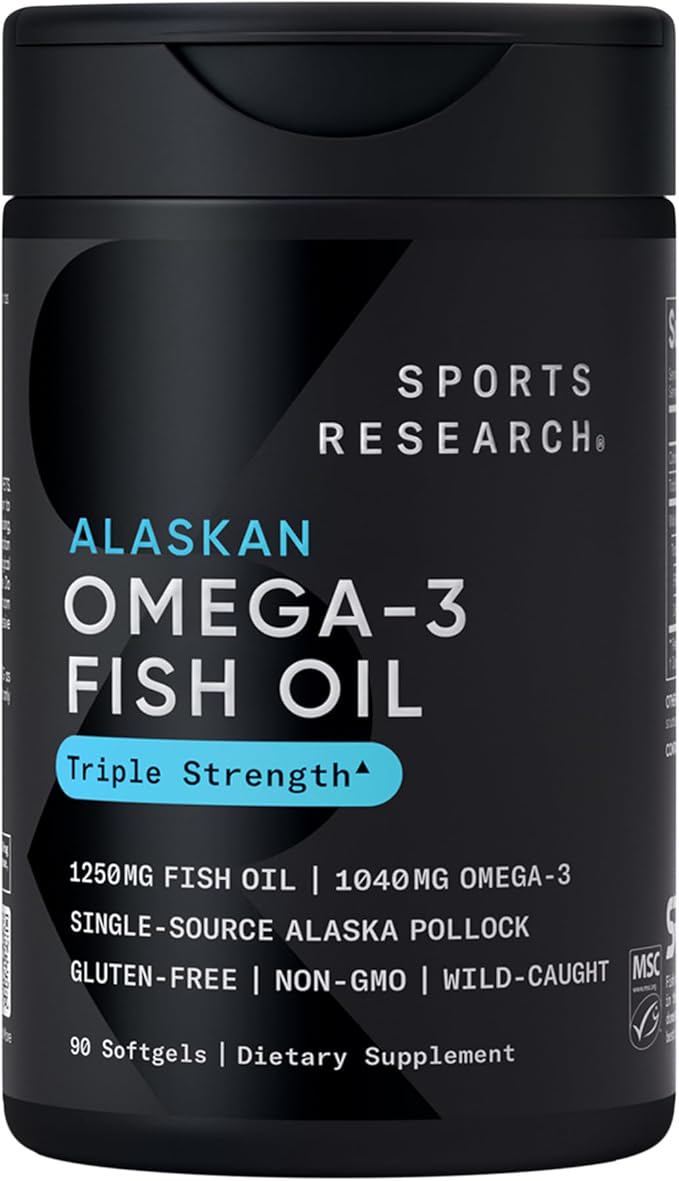
For decades, dietary fat was unfairly villainized. Now we know that healthy fats are vital for mature skin. Collagen does not exist in a vacuum; it sits within a matrix of lipids and cell membranes. Omega-3 fatty acids, in particular, help reduce low-grade inflammation that can degrade collagen over time. A diet too low in fat can leave skin dry, thin, and more prone to damage.
A practical swap: instead of choosing the low-fat or fat-free version of yogurt, salad dressing, or cheese, opt for the full-fat version from quality sources. Add a daily serving of fatty fish (salmon, mackerel, sardines) or a tablespoon of extra-virgin olive oil over roasted vegetables. Avocado, walnuts, and flaxseeds are also excellent choices. These fats help maintain the skin barrier, keep cell membranes fluid, and provide a supportive environment for collagen to thrive.
Building a collagen-supportive diet is not about a single superfood; it is these consistent, day-to-day swaps that accumulate. When you reduce sugar, add copper-rich foods, and include healthy fats, you create a nutritional environment where your body can do what it naturally does best—repair and maintain itself. Mature skin does not need magic; it needs steady, knowledgeable care at every meal.