
Menopause brings a cascade of changes, and for many women, weight gain feels like the most stubborn one. You might be eating the same way you always have, yet the number on the scale creeps up. Hormonal shifts—especially declining estrogen—alter how your body stores fat and processes calories. While you can't stop these hormonal changes, you can adjust the eating habits that work against you.
Below are three common dietary patterns that can make menopausal weight gain harder to manage, along with practical, sustainable shifts that respect what your body is going through.
1. Relying on refined carbohydrates for quick energy
When energy dips—and during menopause, fatigue is a frequent complaint—it's tempting to reach for a bagel, crackers, or a sugary granola bar. These refined carbohydrates break down rapidly in your bloodstream, causing a quick spike in blood sugar followed by a crash. That crash often leaves you feeling hungrier, hungrier for more carbs, and less energetic than before.
Over time, this cycle promotes insulin resistance, a condition that becomes more common during menopause. Higher insulin levels tell your body to store fat, especially around the abdomen. This is one reason why many women notice a shift from pear-shaped (hips and thighs) to apple-shaped (belly) weight distribution during midlife.
Try swapping one refined-carb snack per day for a protein-and-fiber pairing, such as an apple with almond butter or a handful of nuts with a piece of cheese. These combinations help stabilize blood sugar and keep you satisfied longer.
2. Skipping protein at breakfast and lunch
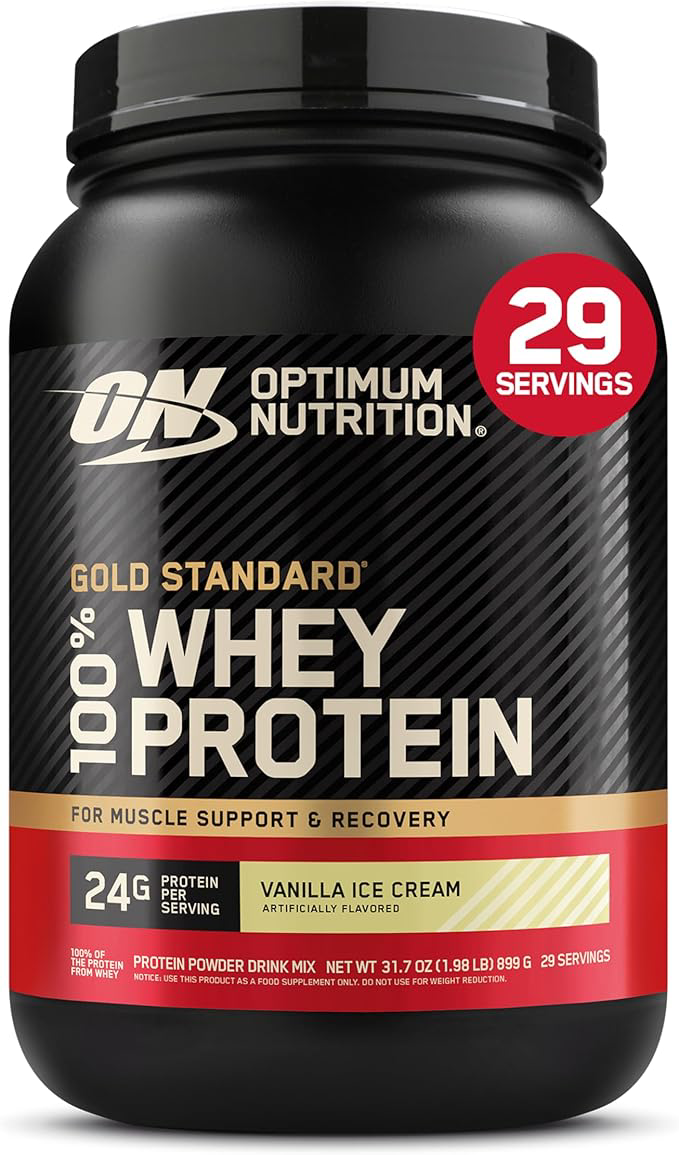
Protein is critical during menopause—for maintaining muscle mass, supporting bone density, and keeping metabolism from slowing down further. Yet many women skimp on protein in the morning and midday, only to load up at dinner. This unbalanced distribution means your body doesn't get a steady supply of amino acids to preserve lean tissue.
Muscle burns more calories than fat, even at rest. When you lose muscle mass, your resting metabolic rate drops. Over time, that makes it easier to gain weight and harder to lose it, even if you're eating the same number of calories as before. Research suggests that distributing protein evenly across meals—aiming for roughly 20–30 grams per meal—may help preserve muscle and support healthier weight management during menopause.
Simple upgrades: add an egg or Greek yogurt to breakfast, include chicken, fish, tofu, or beans in your lunch salad, and don't rely on dinner alone to meet your protein needs.
3. Drinking calories without realizing it
Liquid calories are easy to overlook, but they can add up quickly. Sugary coffee drinks, soda, fruit juice, and even some smoothies can pack several hundred calories per serving—without making you feel full. During menopause, when the calorie adjustments your body need are often small but precise, those invisible calories can tip the balance.
In addition, alcohol is a common culprit. A glass of wine or a cocktail in the evening provides empty calories, can disrupt sleep (which itself affects weight-regulating hormones like cortisol and ghrelin), and may lower inhibitions around food choices. Nighttime snacking after a drink is a common pattern that many women don't connect to their morning scale reading.
The fix isn't to eliminate all beverages you enjoy. Instead, become more intentional: swap one sugary drink for sparkling water with lemon, or alternate alcoholic drinks with water. Pay attention to portion sizes—many restaurant smoothies and coffees contain two or three servings' worth of calories.
Small changes, real impact
You don't need to overhaul your entire diet overnight. Start by identifying which of these three habits resonates most with your current routine. Pick one small shift—like adding protein to breakfast, replacing one refined snack, or cutting back on sugary drinks—and practice it consistently for two weeks. Many women find that these targeted adjustments produce more sustainable results than dramatic restriction.
If you're working with a healthcare provider or a registered dietitian, they can help tailor these suggestions to your health history, activity level, and individual needs. Menopause is a transition, not a defeat—and with the right eating habits, you can navigate it with strength and confidence.