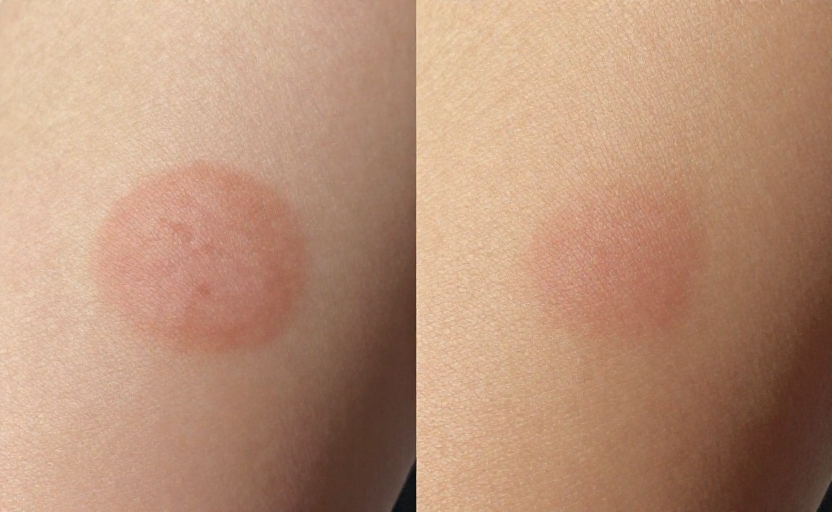
You’ve noticed a few new freckles or a small, flat brown spot on your skin after a summer in the sun. It’s easy to dismiss it as just another harmless sun spot, a common souvenir of time spent outdoors. Most of the time, that’s exactly what it is. But sometimes, your skin is trying to tell you something more. Knowing the difference between a benign mark and a spot that warrants a professional’s eye is a crucial part of caring for your skin’s long-term health.
The key isn’t to panic over every new dot, but to cultivate a calm, observant awareness. Think of it like listening to a familiar engine; you know its usual hum, so you’ll notice when the sound changes. Your skin has a usual pattern, too. By learning a few specific, visual cues, you can become an expert in your own skin’s landscape and know with confidence when it’s time to book an appointment.
The ABCDEs Are Your Guide, Not Your Anxiety
Dermatologists use a simple, memorable framework called the ABCDE rule to help people identify potential warning signs in moles and spots. It’s not a diagnostic tool for you to use at home, but a filter to help you decide what deserves a closer look by a professional. Let’s apply this framework specifically to those sun-exposed areas where new spots often appear.
A is for Asymmetry
Draw an imaginary line down the middle of the spot. Do the two halves match? Common, benign sun spots and moles are typically symmetrical—they look roughly the same on both sides. A spot that needs checking often has one half that looks different from the other half in shape, color, or texture.
B is for Border
Look at the edges. Harmless spots usually have smooth, even borders. Be cautious of borders that are irregular, scalloped, notched, or blurry—as if the pigment is fading or bleeding into the surrounding skin.
C is for Color
Uniform color is a good sign. A warning sign is a spot that has multiple shades within it. Instead of a single, even tan or brown, you might see areas of black, brown, tan, red, white, or even blue. A sudden darkening of an existing spot also falls under this category.
D is for Diameter
Size matters. While melanomas can be smaller, a good general rule is to get any new spot checked if it grows larger than the size of a pencil eraser (about 6 millimeters). This is especially important for a spot that is actively growing.
E is for Evolving
This may be the most critical sign of all. Any change in a spot over weeks or months is a clear signal to see a doctor. Evolution can mean change in size, shape, color, or elevation (a flat spot that becomes raised). It also includes new symptoms like itching, tenderness, bleeding, or crusting.
The ‘E’ for Evolving is often the most telling sign. Your skin’s story is in its changes.
Three Specific Early Warning Signs
Beyond the ABCDEs, there are three more nuanced, early signs that a sun spot on your face, chest, hands, or arms might be more than simple sun damage.
1. The “Ugly Duckling” Spot
This sign relies on your knowledge of your own skin. Look at all the spots on a given area, like your arm or back. Most of your benign moles and sun spots will look similar to each other—they’re part of the “family.” The “ugly duckling” is the one spot that looks distinctly different from all the others. It may be darker, larger, or have a different texture. It stands out because it doesn’t follow the pattern of your skin’s typical landscape.
2. A Sore That Doesn’t Heal
We all get minor scrapes. But if you have a spot—especially one you thought was just a sun spot or age spot—that develops a scab, bleeds a little, and seems to heal, only to break open again in the same place weeks later, take note. This cycle of breaking, seeming to heal, and re-breaking is a significant red flag that the skin cells are not regenerating normally.
3. Rapid Change in Texture
Many sun spots (actinic keratoses) feel rough or scaly, like a patch of sandpaper. This is a pre-cancerous change itself and should be evaluated. However, a more subtle warning is when a previously smooth, flat brown spot begins to change texture. It might develop a subtle raised area, become slightly thickened, or its surface might become uneven. This physical evolution, even without dramatic color change, warrants a professional assessment.
What to Expect at Your Appointment
If you’ve noticed one of these signs, the next step is straightforward. A dermatologist will perform a full skin exam. They will look at the spot in question, likely with a dermatoscope—a special magnifying tool that allows them to see structures beneath the skin’s surface that are invisible to the naked eye.
Based on what they see, they will recommend a course of action. This could be:
- Monitoring: For a spot that looks benign but has some atypical features, they may simply take a photo and ask you to return in 3-6 months to see if it has changed.
- Biopsy: If there is any suspicion, the doctor will numb the area and remove all or part of the spot for a pathologist to examine under a microscope. This is the only way to get a definitive diagnosis.
- Treatment: If the spot is a pre-cancerous actinic keratosis, they may treat it in the office with cryotherapy (freezing) or prescribe a topical cream.
The goal of this visit is peace of mind through clarity. Either the spot is confirmed as harmless, or any issue is identified at its earliest, most treatable stage.
Your Most Powerful Tool: Prevention and Vigilance
While knowing the warning signs is essential, the foundation of skin health is prevention. A broad-spectrum sunscreen of SPF 30 or higher, applied daily to exposed areas—rain or shine—is non-negotiable. Protective clothing, hats, and seeking shade during peak sun hours are your skin’s best allies.
Pair this with a simple, monthly self-exam. After a shower, take five minutes to look over your skin in a well-lit room, using a mirror for hard-to-see areas. Get familiar with your spots, freckles, and moles. This habit transforms you from a passive observer into an active participant in your skin’s health, ensuring you’ll notice the subtle whispers of change long before they ever need to shout.