
Your jawline doesn't change overnight. But if you've noticed a subtle softening around the chin or a slight deepening of the nasolabial folds, your diet might be nudging things along faster than genetics alone would. While collagen loss is a natural part of aging, certain eating patterns can accelerate the breakdown of the structural proteins that keep your jawline looking defined.
Here are three early warning signs that your jawline is losing firmness specifically because of what's on your plate—and what to do about it before the change becomes permanent.
1. You're Seeing More 'Jiggle' When You Turn Your Head
One of the first things people notice is a loss of snap-back elasticity under the chin. When you smile, talk, or turn your head, the skin along the jawline should return to place quickly. If it lingers or appears to 'wave' slightly, that's often a sign that the underlying collagen and elastin fibers are weakening.
Dietary culprits here include a high intake of refined sugar and processed carbohydrates. Sugar molecules bind to collagen and elastin fibers through a process called glycation, forming advanced glycation end-products (AGEs). These AGEs stiffen and fragment the collagen network, making the skin less resilient. If your diet leans heavily on white bread, pastries, sugary drinks, or even high-glycemic fruits like dates and watermelon, you might be accelerating this process.
A simple swap: replace one sugary snack a day with a handful of almonds or a few walnut halves. The vitamin E and healthy fats help protect collagen from oxidative stress.
2. A Subtle 'Orange Peel' Texture Along the Chin Line
When the skin directly under your chin starts to look slightly dimpled or irregular in texture—like the skin of an orange—it's often due to thinning dermis and loss of fat pad support. This texture change can be an early sign that your body isn't getting enough building blocks for healthy skin structure.
The primary dietary link here is insufficient high-quality protein and a lack of specific amino acids needed for collagen production, namely glycine, proline, and lysine. If your meals tend to be heavy on grains and light on animal-based proteins (or plant-based proteins that lack these specific aminos), your body may not be synthesizing enough collagen to maintain firmness. Additionally, a deficiency in vitamin C—which is required for collagen cross-linking—can make this texture more pronounced.
To counteract this, aim to include a source of complete protein at each meal. For animal eaters, bone broth, chicken skin, fish skin, and eggs are rich in collagen-building amino acids. For plant-based eaters, pairing legumes with whole grains and adding a vitamin C source (like bell peppers or citrus) can help improve collagen synthesis.
3. More Noticeable 'Marionette Lines' Even at Rest
Lines that run from the corners of your mouth down towards your chin—often called marionette lines—become more apparent when the jawline loses structural integrity. If these lines are deepening despite using moisturizer or retinol, diet may be a contributing factor you haven't addressed.
Excessive sodium intake and chronic dehydration are two dietary habits that directly affect skin turgor and firmness. High sodium causes water retention, which stretches the skin and can make fine lines appear deeper once the puffiness subsides. Meanwhile, chronic low water intake reduces the skin's ability to stay plump, making the underlying loss of collagen more visible. Caffeine and alcohol further compound this by acting as mild diuretics.
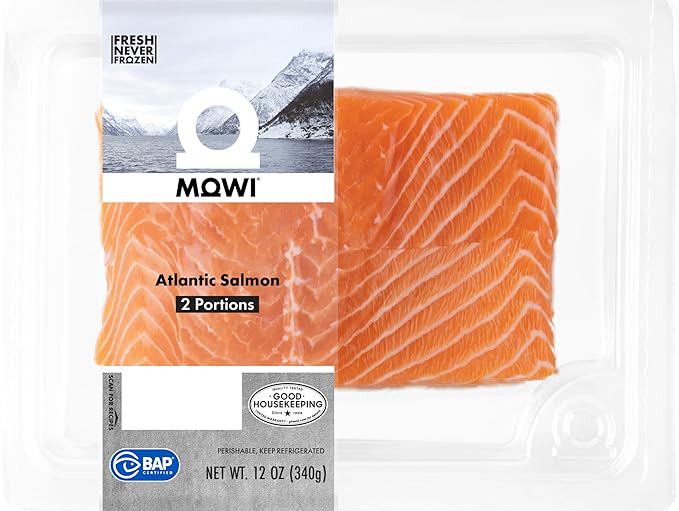
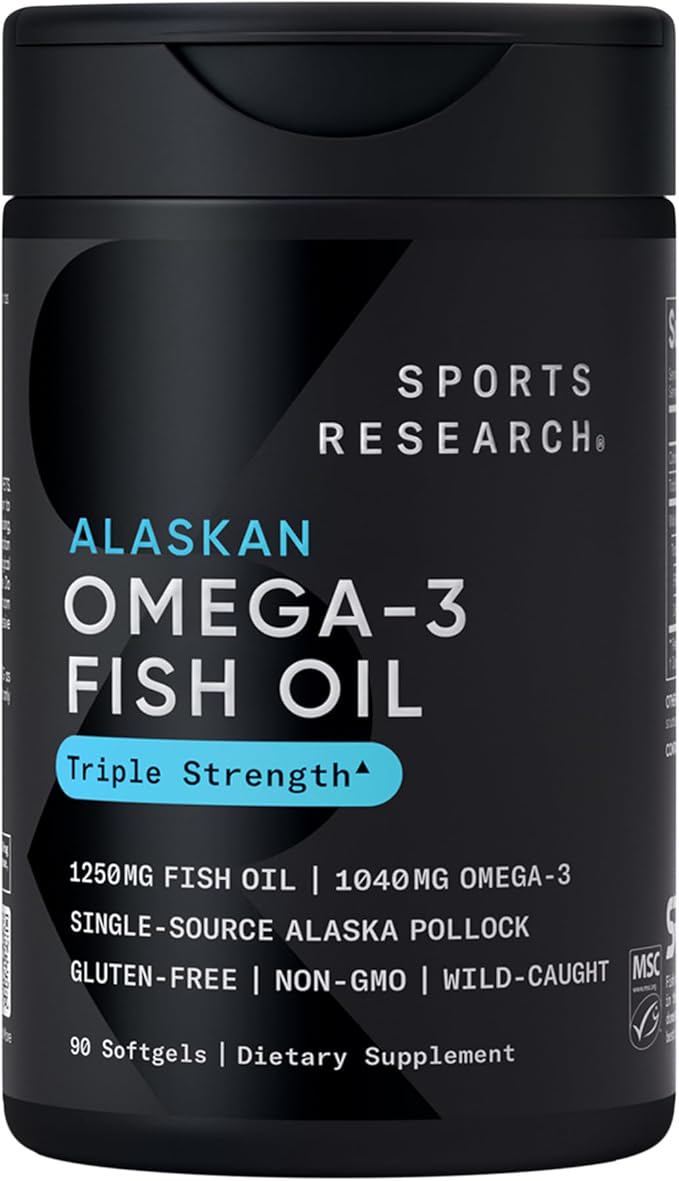
A less obvious dietary contributor is a lack of healthy omega-3 fatty acids. These fats help maintain the skin's lipid barrier, which supports overall firmness. If your diet is low in fatty fish, flaxseeds, or walnuts, your skin's ability to retain moisture and resist gravitational sag diminishes.
What You Can Do—Beyond Skincare
While topical treatments like retinol and vitamin C serums support collagen on the surface, the most impactful changes happen from within. Prioritizing whole foods over processed options, staying well-hydrated, and ensuring adequate protein intake are the three pillars of dietary support for jawline firmness.
If you recognize one or more of these signs, it does not mean permanent change is inevitable. Skin is remarkably responsive to dietary improvements. Introducing collagen-supporting nutrients such as vitamin C, zinc, copper, and amino acids can improve structural integrity within weeks, though visible firmness changes typically take three to six months.