You brush every day, often twice a day, and you might floss. You might even use a tongue scraper. But if your gums still bleed when you rinse, or if your teeth feel sensitive more often than not, the problem may not be your brushing technique — it may be what you are not eating. Inflammation in the mouth does not always announce itself with visible swelling or pain. Sometimes it shows up in subtle, easy-to-miss cues that your current routine simply cannot fix with toothpaste alone.
Here are three early warning signs that your brushing routine is missing the anti-inflammatory foods your gums and tissues need to stay resilient — and what to do about it.
1. Your Gums Bleed Even After Gentle Brushing
Occasional bleeding can happen if you brush too hard or use a stiff-bristled brush. But if your gums bleed regularly — even when you are careful — that is often a sign of underlying inflammation. Think of it as your body signaling that the tissue is fragile and under constant immune stress.
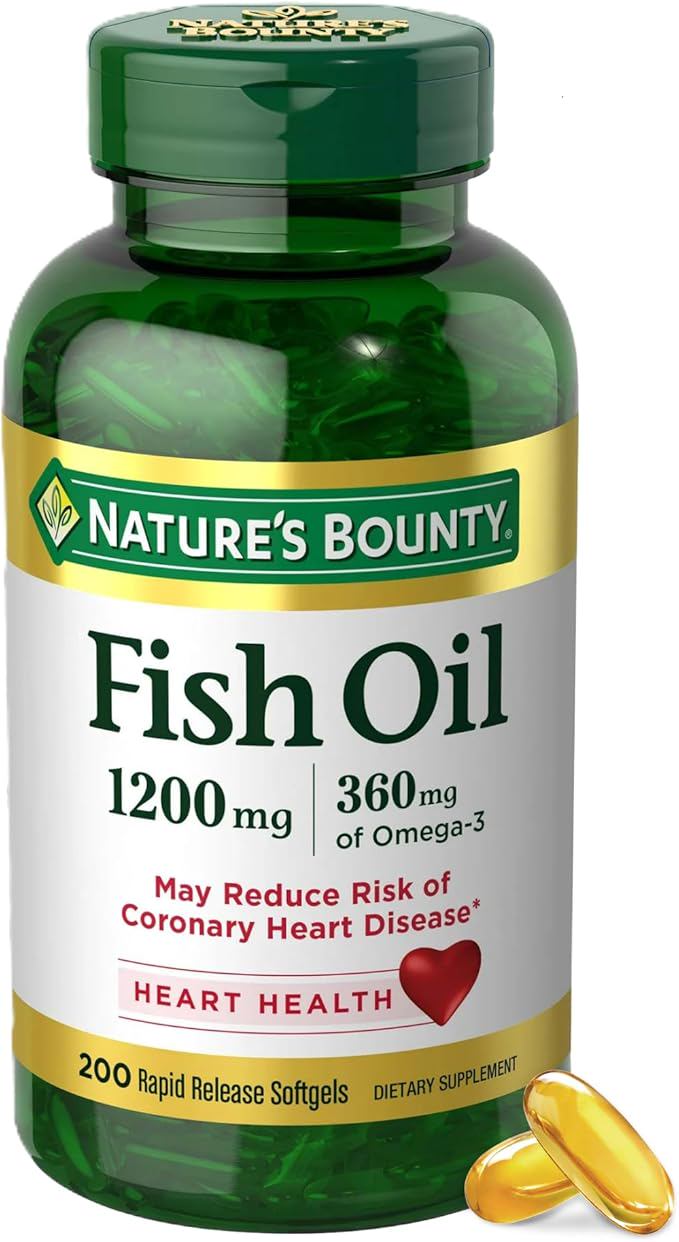
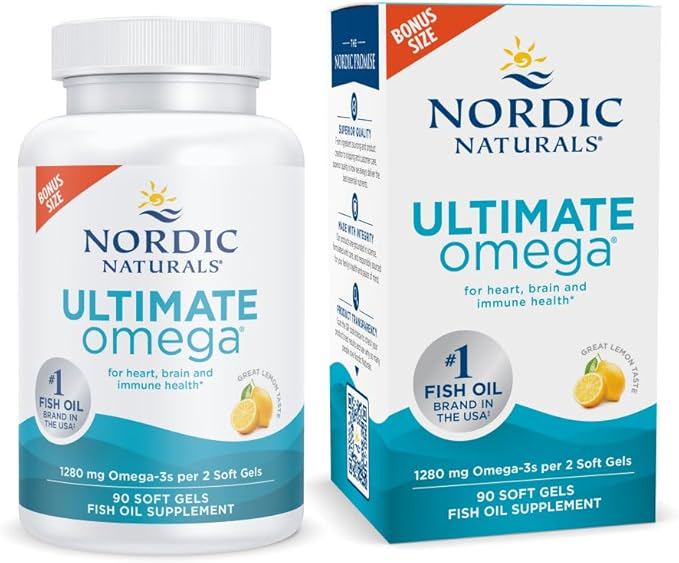
Anti-inflammatory foods work from the inside out, helping to calm that response. Foods rich in omega-3 fatty acids, such as wild salmon, walnuts, and flaxseeds, have been studied for their ability to reduce gingival inflammation. Vitamin C is also essential; without enough of it, gum tissue becomes prone to bleeding because collagen production suffers. A simple addition like a daily serving of kiwi, bell peppers, or strawberries can make a noticeable difference over several weeks.
Quick tip: If your gums bleed consistently, check in with your dentist first to rule out periodontal disease — then consider whether your diet is providing enough anti-inflammatory support.
2. Your Teeth Feel “Puffy” or Tender Around the Gum Line
Another early warning is a sensation of puffiness or tenderness along the gum line, especially after brushing or flossing. This is not the sharp pain of a cavity; it is a dull, low-grade discomfort that suggests the gums are inflamed and slightly swollen. When gum tissue is healthy, it fits snugly around each tooth. When it is inflamed, it may feel spongy or tender to the touch.
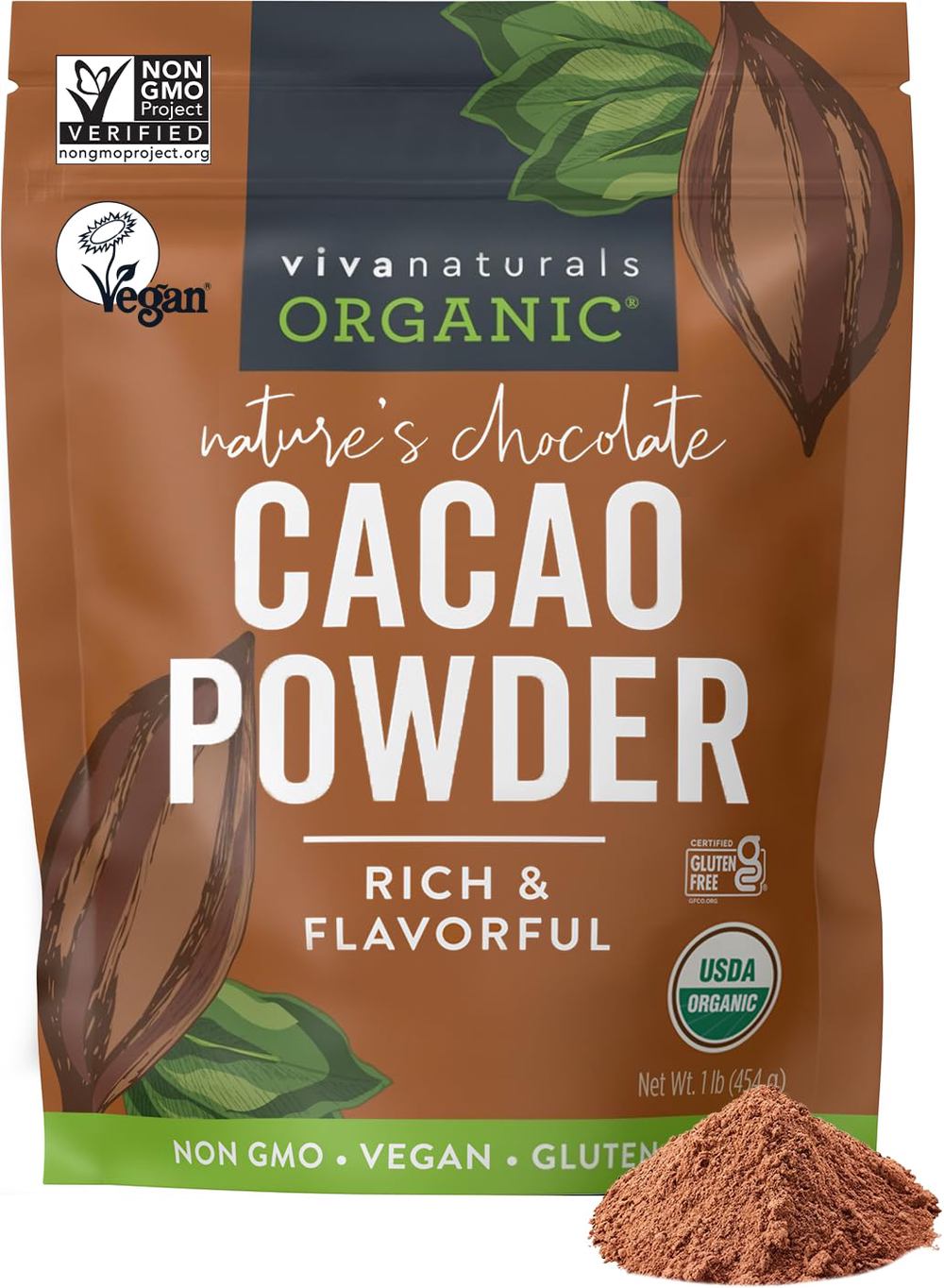
This type of tenderness often responds well to dietary adjustments. Polyphenol-rich foods — such as green tea, blueberries, and dark chocolate (with minimal sugar) — can help reduce the inflammatory compounds that contribute to gum swelling. Turmeric, when used in cooking or consumed as a tea, also contains curcumin, a compound known for its ability to modulate inflammatory pathways. Pairing these foods with good brushing habits gives your mouth a better chance to heal rather than just manage symptoms.
3. Your Dental Checkups Show a Pattern of Deepening Gum Pockets
Even if you brush faithfully, if your dentist or hygienist mentions that your gum pockets are getting deeper at each visit, that is a clear red flag. Deepening pockets mean the gums are pulling away from the teeth due to chronic inflammation, creating spaces where bacteria can settle. This process is largely driven by the body’s inflammatory response, not just by plaque alone.
Anti-inflammatory nutrition can play a supportive role here. Diets rich in leafy greens, cruciferous vegetables (broccoli, kale, Brussels sprouts), and healthy fats from olive oil and avocado provide a steady supply of antioxidants that help protect gum tissue. Some research also points to the benefits of coenzyme Q10, a nutrient naturally found in organ meats and oily fish, which may help gum tissue repair itself more effectively. While brushing and flossing remain essential, what you eat determines whether your gums have the raw materials they need to stay tight and healthy.
What to Add to Your Routine
Shifting your brushing routine to include anti-inflammatory foods does not mean overhauling your entire diet overnight. Small, consistent changes matter most:
- Add one serving of a vitamin-C-rich fruit or vegetable to your breakfast or lunch.
- Include a handful of walnuts or a tablespoon of flaxseeds in your daily snack.
- Swap one afternoon beverage for unsweetened green tea.
- Use olive oil as your primary cooking fat.
Your mouth is often a window into your body’s overall inflammation levels. Paying attention to these early signs and responding with targeted nutrition can help you keep your gums healthy and your smile strong — without relying on toothpaste or mouthwash alone to do the job.