Most of us treat age spots like stubborn guests—annoying to see, but harmless. We buy a serum, apply sunscreen more diligently, and hope they fade. But here’s the quiet truth dermatologists wish more people understood: the appearance of an age spot isn’t always just a cosmetic nuisance. In some cases, it’s your skin sending you a signal that your current prevention strategy has a gap.
The issue isn’t the spot itself. It’s what the spot represents—cumulative UV damage that your skin can no longer camouflage. If you’ve noticed any of the following three changes, it may be time to rethink how you protect and treat your skin from the inside out.
1. The Spot Changes Shape or Borders
A stable age spot (solar lentigo) looks like a flat, round, or oval patch of tan, brown, or black. It sits still on your skin for months or years. The first warning sign that your prevention plan isn’t working is when a spot starts to evolve.
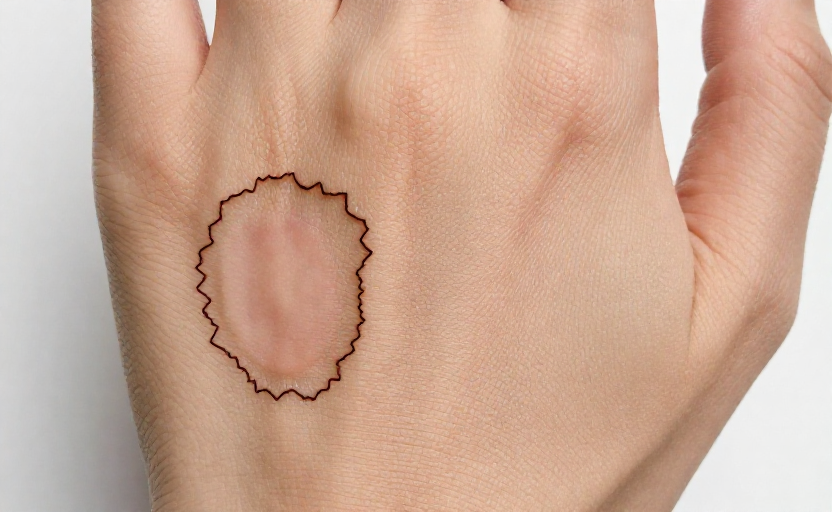
Look for borders that become irregular, scalloped, or notched. If a previously smooth-edged brown patch begins to resemble a map coastline, that’s a red flag. This could indicate that the melanocytes (pigment-producing cells) have become unstable due to ongoing UV exposure or genetic predisposition. The spot isn’t just getting older—it’s changing its behavior.
What to do next: Stop relying on spot-fading creams alone. If a spot is morphing in shape, it needs a dermatologist’s evaluation—not a stronger serum. Meanwhile, audit your sun protection. Are you using a broad-spectrum SPF 30 or higher every single day, even indoors near windows? UVA rays penetrate glass and cloud cover, and they are the primary driver of irregular pigmentation.
2. You See Multiple New Spots in a Clustered Pattern
One or two isolated spots on the back of your hands or face can be normal as collagen thins over decades. But when you start noticing a shower of small, dark spots clustering together—sometimes described as a “dusting” of pigment—it indicates that your skin’s melanin production has entered an overdrive state that simple sunscreen isn’t controlling.
This pattern is often linked to a phenomenon called polkiloderma of civatte, which is caused by a combination of sun damage, hormonal shifts, and sometimes fragrance photosensitivity. If these clustered spots appear on the sides of your neck, your chest, or your cheeks, your topical prevention likely needs a systemic upgrade.
Consider this: Sunscreen blocks rays, but it doesn’t reverse the inflammation already happening beneath the surface. Clustered spots often signal that the skin barrier is chronically inflamed.
Adding antioxidants to your morning routine—specifically vitamin C (L-ascorbic acid) or niacinamide—can help calm the overactive pigment cells. Oral supplements like pycnogenol or green tea extract may also offer systemic photoprotection. But more importantly, clustered spots warrant a full-body skin check to rule out actinic keratoses or early-stage melanoma mimicking benign pigmentation.
3. Spots Appear on Areas You Thought Were “Protected”
Think about where you apply sunscreen most carefully: your face, shoulders, and maybe the tops of your hands. Now check your eyelids, the backs of your ears, your lips, or the V of your chest. If new dark spots are cropping up in these perpetually overlooked zones, your protection plan has a blind spot.
These areas have thinner skin with fewer melanocytes to begin with, so any pigment that develops there stands out starkly. Eyelid spots are especially concerning because they can be mistaken for styes or milia, but they often indicate chronic UV damage from reflections off water, snow, or even the inside of car windows.
The fix: Your prevention plan must become a total-coverage strategy. Use a tinted mineral sunscreen on the face (the iron oxides provide extra blue-light protection), and incorporate physical UV-blocking tools: a wide-brimmed hat, UV-protective sunglasses, and clothing with a UPF rating. For the lip area, use a balm with SPF 30 or higher applied every two hours if you’re outdoors.
How to Build a Stronger Prevention Plan Today
If any of these signs resonate, don’t panic—but do pivot. A different prevention plan doesn’t mean a more expensive one; it means a more consistent, targeted, and layered one.
- Layer your protection. Start with an antioxidant serum (like vitamin C), then apply a broad-spectrum SPF 50 sunscreen, then top with a physical blocker if you’ll be in direct sun.
- Check your diet. Diets high in sugar and refined carbs can accelerate glycation, which darkens existing age spots. Increasing intake of colorful vegetables, omega-3-rich fish, and citrus fruits supports your skin’s natural repair mechanisms.
- Schedule a professional evaluation. If a spot has changed in any way—shape, color, size, or sensation—let a board-certified dermatologist look at it. A simple in-office examination can distinguish between harmless lentigines and lesions requiring treatment.
Age spots are often dismissed as a normal part of getting older. But normal doesn’t always mean harmless. By paying attention to these early warning signs, you can move from a reactive spot-treatment mindset to a proactive prevention plan that protects your skin for the long haul.