You notice it one morning in the unforgiving light of the bathroom mirror—a faint line that wasn’t there before, or a texture that seems just a bit softer, less defined. Changes in our skin often arrive quietly, long before we consider them a "wrinkle." The true story begins with elasticity, the skin's remarkable ability to snap back. When that resilience starts to fade, it sends subtle, early signals. Learning to recognize these signs isn't about fostering worry; it's about understanding your skin's language so you can support its health with clarity and care.
Think of youthful skin like a new, well-constructed trampoline. It's firm, supple, and bounces back immediately after pressure is released. Over time, due to both intrinsic aging and external factors, the supporting structures within the skin—primarily collagen and elastin fibers—begin to degrade and fragment. The trampoline's springs lose their tension. This gradual loss of rebound is elasticity loss, and its early warnings are distinct from deep-set wrinkles.
The Subtle Shift in Texture and "Crepey" Skin
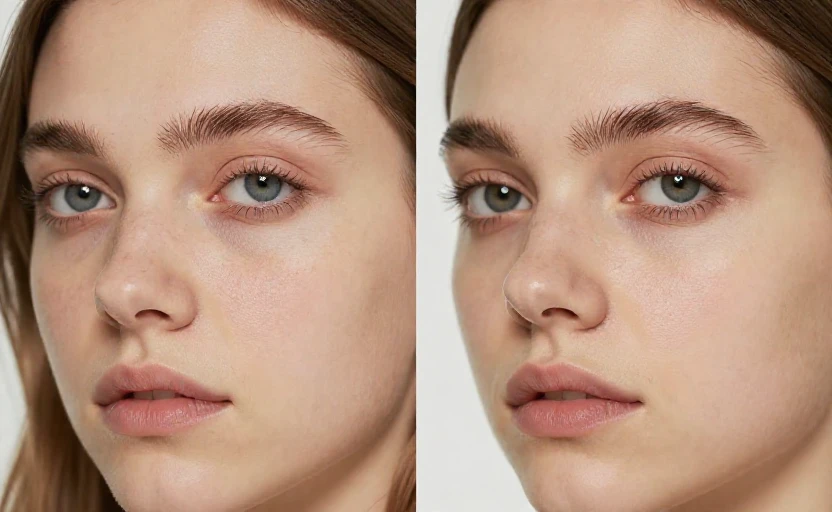
One of the earliest signs isn't a line at all, but a change in surface quality. You might observe it on the back of your hands, around the eyes, or on the décolletage first. The skin begins to look slightly crinkled or finely wrinkled, resembling thin parchment or crepe paper. This "crepey" texture indicates that the epidermis (the outermost layer) is thinning and the underlying dermal structure is losing its supportive network.
This texture change often appears in areas that experience repetitive folding, even in gentle, everyday movements like smiling or squinting.
What it means: This sign points to a weakening of the dermal-epidermal junction and a reduction in collagen density. The skin's foundation is becoming less sturdy, allowing the surface to take on a fragile, crumpled appearance. It's a clear signal that the skin's architectural integrity is beginning to change.
The "Snap Back" Test Fails
Healthy, elastic skin rebounds quickly when gently pinched and released. You can cautiously test this on the back of your hand or the underside of your forearm. Gently pinch a small fold of skin between your thumb and forefinger, hold for a second, and let go. Observe how quickly it flattens back to its original position.
An early warning sign is a noticeable delay in this snap-back action. The skin fold may remain visible for a second or two before slowly settling. This is a direct, functional test of elasticity.
What it means: This delayed rebound is a literal demonstration of elastin fiber degradation. Elastin is the protein responsible for the skin's ability to return to shape. When these fibers become fewer and less organized, the skin loses its retraction speed. It's a core mechanical change happening beneath the surface.
Fine Lines That Disappear When Stretched
Deep wrinkles are permanent folds, but the earliest lines related to elasticity loss are different. Look for very fine, dry-looking lines around the eyes (crow's feet), on the forehead, or running vertically above the lips. The key identifier? If you gently stretch the skin with a finger, these lines temporarily vanish.
If a line disappears when you pull the skin taut, it's primarily a sign of elastic tissue loss, not yet a permanently etched groove.
What it means: These transient lines indicate that the skin is beginning to fold in the same pattern repeatedly but hasn't yet formed a permanent crease in the deeper dermis. They signal that the skin is losing its ability to fully recover from these micro-folds after expressions relax. It's the prelude to more static lines.
What's Happening Beneath the Surface?
These three signs all trace back to fundamental changes in the skin's extracellular matrix. Collagen production slows significantly each year after our mid-20s. Existing collagen fibers also become cross-linked and more rigid, reducing flexibility. Simultaneously, elastin fibers, which are not replenished in adulthood, suffer cumulative damage from enzymes and oxidative stress, leading to fragmentation.
Glycosaminoglycans, like hyaluronic acid, which hold water and provide plumpness, also diminish. This combination—less support, less bounce, and less hydration—manifests as those early texture and rebound changes you see.
Supporting Your Skin's Framework
While the intrinsic aging process is natural, its pace and visibility are influenced by lifestyle. Supporting skin elasticity is about consistent, gentle care that protects and nourishes these vital structures.
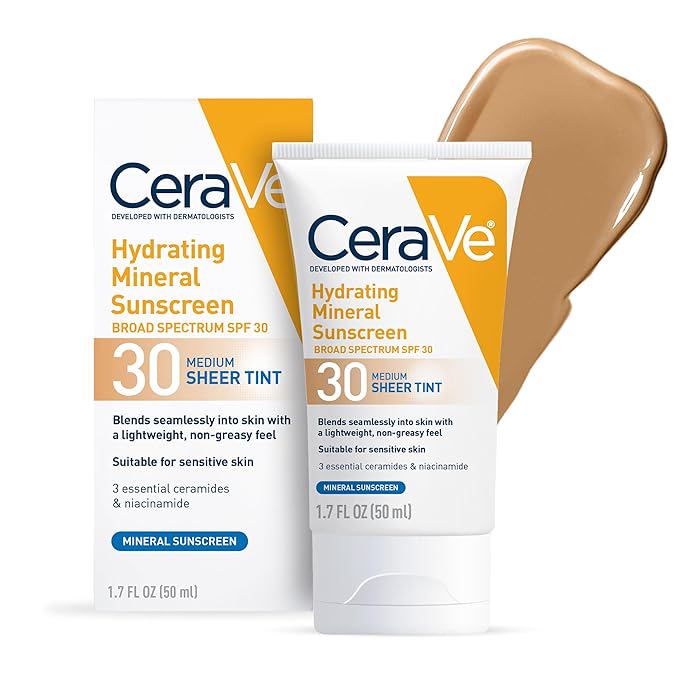
Sun protection is the single most impactful practice. Ultraviolet radiation is a primary driver of collagen and elastin breakdown. Daily use of a broad-spectrum sunscreen, along with hats and seeking shade, directly defends the skin's supportive proteins.
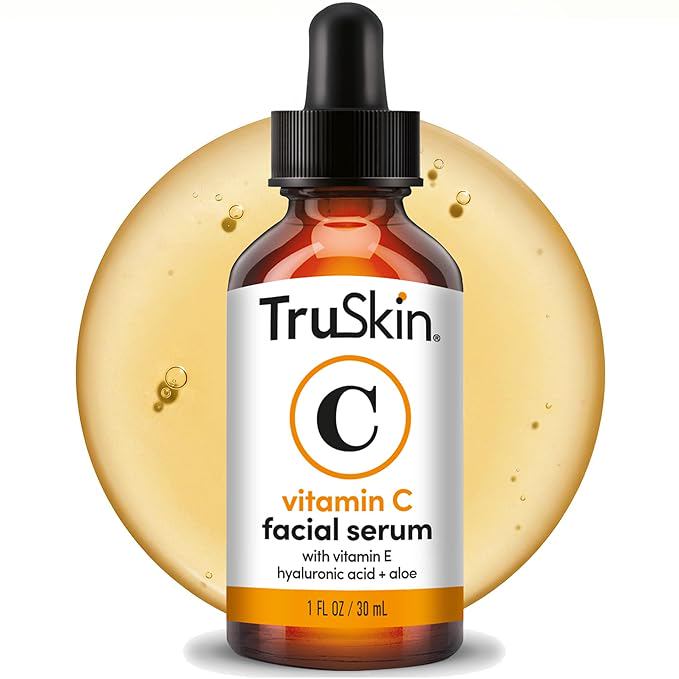
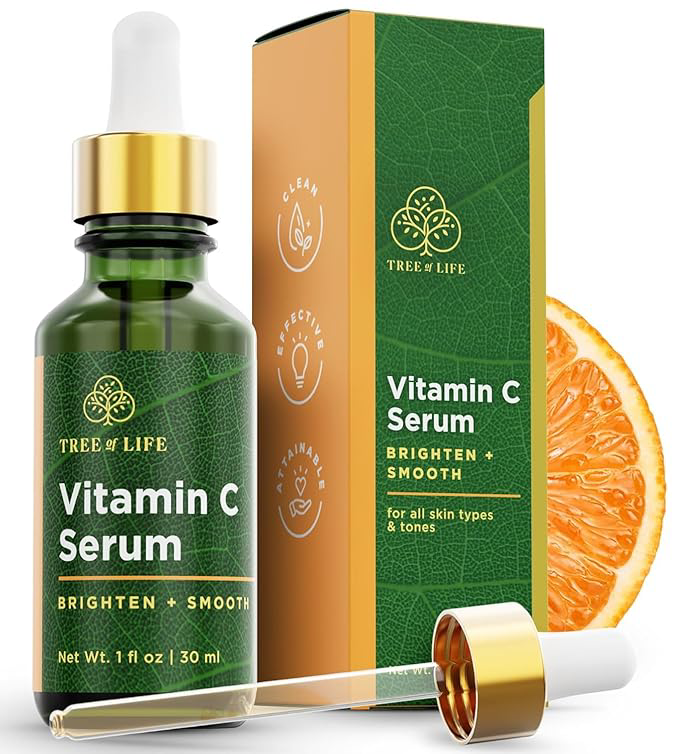
Nutrition provides the building blocks. A diet rich in antioxidants (found in colorful fruits and vegetables) helps combat the free radicals that damage skin fibers. Vitamin C is particularly crucial, as it's a cofactor for collagen synthesis. Adequate protein intake and healthy fats also support skin structure and barrier function.
Topical ingredients can offer supportive benefits. Retinoids, derivatives of vitamin A, are well-researched for their ability to stimulate collagen production and improve skin texture. Peptides are fragments of proteins that may signal the skin to support its own collagen. Consistent hydration, both by drinking water and using moisturizers with humectants like glycerin or hyaluronic acid, maintains the plumpness that makes fine lines less apparent.
A Perspective on Prevention and Care
Noticing these early signs is an invitation to observe, not to panic. Skin aging is a universal, non-linear process. The goal of a thoughtful skincare approach isn't to achieve perfection or stop time, but to nurture the skin's health, function, and appearance throughout life's chapters. It’s about maintaining the skin you have in its healthiest state.
If changes in your skin concern you, or if you wish to develop a personalized plan, consulting a dermatologist or licensed aesthetician can provide guidance tailored to your unique skin. They can help you interpret your skin's signals and choose a path of care that aligns with your wellness values.