You notice them in a certain light—a faint trace where your skin creases when you smile, a subtle shadow near your eyes that wasn't there before. Early fine lines are not a sign of something wrong; they're a natural part of your skin's story. But they are a message, a quiet signal from your skin about its current state and needs. Learning to read these signs can transform your approach to skin care from reactive to supportive.
These initial lines are different from the deeper, permanent wrinkles that may come later. They often appear as superficial, short creases that disappear when your face is at rest. Their emergence is a pivotal moment for your skin's long-term health and appearance, offering a window of opportunity to nurture your skin with intention.
What Do Early Fine Lines Actually Look Like?
Before you can address them, you need to spot them. Early fine lines are masters of subtlety. They don't announce themselves with dramatic changes. Instead, they show up in specific, predictable patterns, often tied to our most frequent expressions.
The Smile Lines That Linger
One of the most common first signs is the appearance of faint lines running from the sides of your nose to the corners of your mouth. These are called nasolabial folds. Initially, you might only see them as a temporary crease after a big laugh or grin. The early warning sign is when that crease takes just a fraction longer to smooth out completely after your expression relaxes. It means the skin there is beginning to lose some of its instant rebound ability.
The Forehead's Faint Horizon
Horizontal lines across the forehead are another early marker. When you're young, your forehead is smooth when your brows are neutral. The first sign of change is the appearance of very fine, parallel lines when you raise your eyebrows—lines that become slightly visible even when your face is completely relaxed. This indicates that the skin is becoming less adept at fully flattening out after movement.
The Delicate Crow's Feet
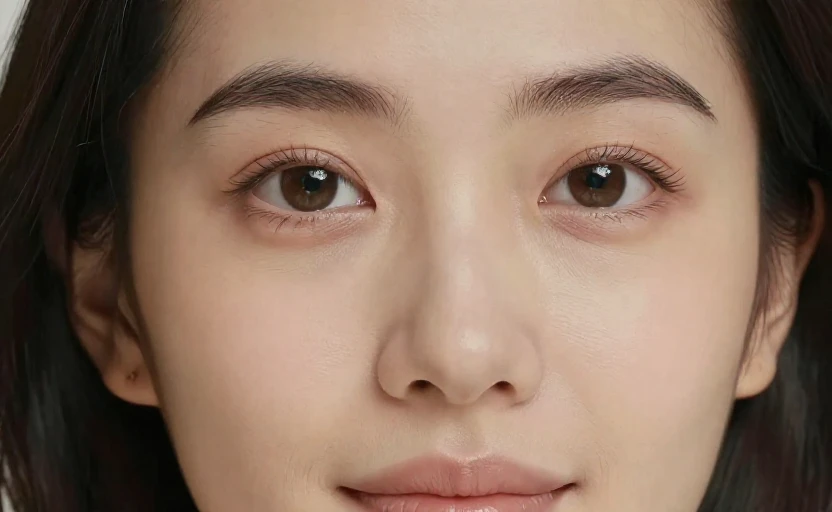
Perhaps the most telling early sign is the development of fine, spokelike lines at the outer corners of the eyes. The skin here is exceptionally thin and endures constant movement from squinting, smiling, and laughing. Early crow's feet look like faint etchings in delicate parchment, most visible when you smile genuinely. Their early appearance is a direct signal about the skin's hydration levels and elasticity in its most fragile zone.
Think of these early lines not as flaws, but as your skin's way of whispering its needs.
What Your Skin Is Telling You
These three patterns are more than just cosmetic changes. They are outward manifestations of specific, internal shifts in your skin's biology.
The gradual decline in collagen and elastin production is a primary driver. These structural proteins are the scaffolding of your skin, providing firmness and snap. Starting in our mid-to-late twenties, production naturally slows. Fine lines are the first visible evidence that this support system is changing, leading to less plumpness and a slower return to shape after expressions.
Simultaneously, the skin's ability to retain moisture often diminishes. A well-hydrated face looks plump and smooth. As the skin's natural moisturizing factors and lipid barrier become less robust, dehydration can make even minor creases more apparent. Many early "lines" are actually just signs of thirsty skin.
Finally, cumulative sun exposure plays a starring role. Photoaging from ultraviolet light breaks down collagen and elastin fibers long before natural aging does. Those fine lines on your forehead and around your eyes are often the first ledger entry for years of sun time, even if you've never burned.
How to Respond with Care
Seeing these signs can be unsettling, but the appropriate response is not alarm—it's thoughtful, consistent care. This is a chance to build a sustainable skin-supporting routine.
Your first and most powerful ally is a broad-spectrum sunscreen, worn daily. This isn't just for beach days. It's the single most effective way to slow the process that creates fine lines by protecting existing collagen. Make it as habitual as brushing your teeth.
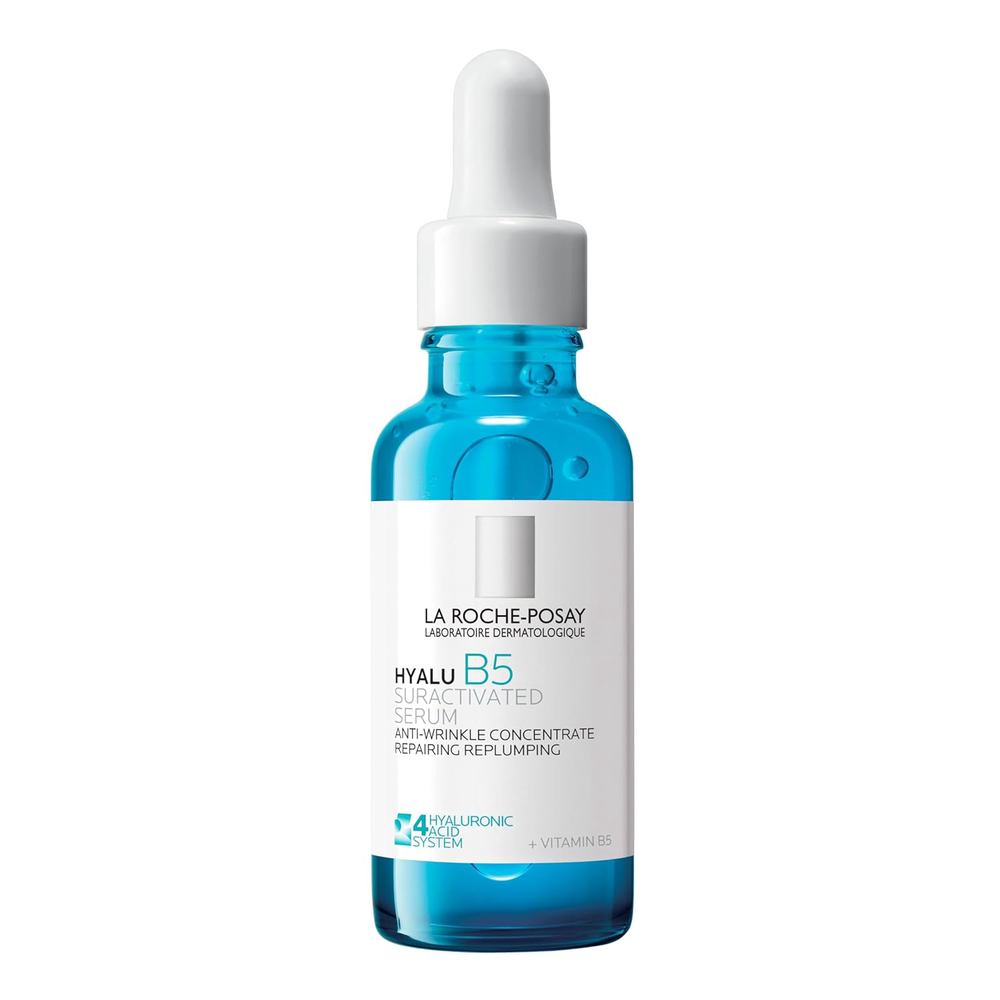
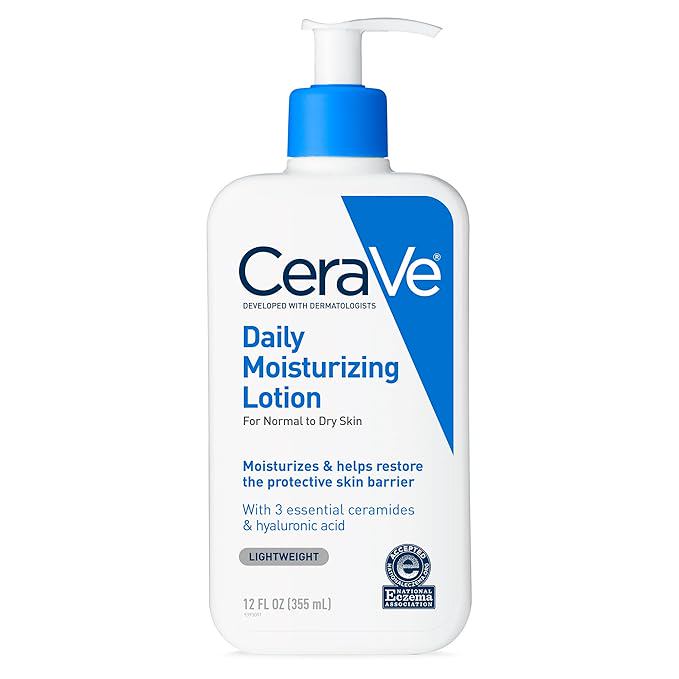
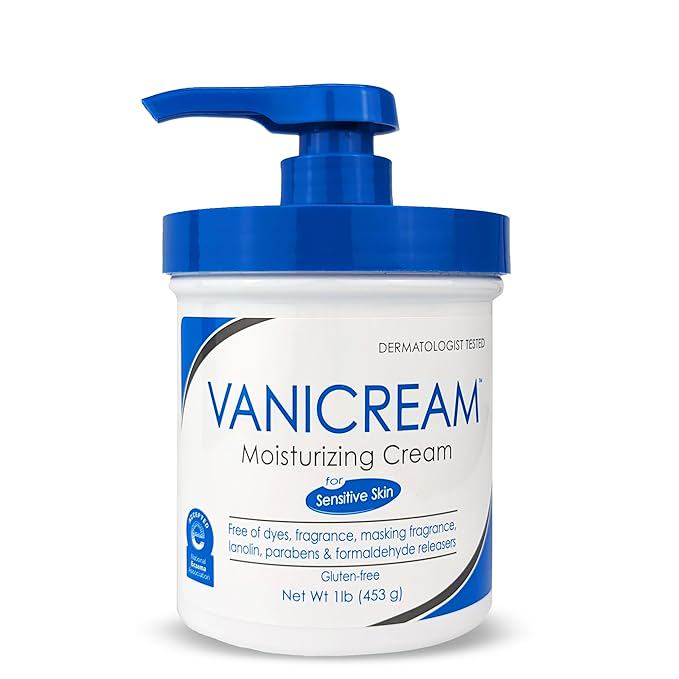
Next, focus on hydration, inside and out. Drink water consistently, and use a moisturizer that suits your skin type. Look for ingredients like hyaluronic acid or glycerin, which help bind water to the skin's surface, creating a smoother, more supple appearance that can minimize the look of dehydration lines.
You can also introduce supportive ingredients that gently encourage skin health. Antioxidants like vitamin C help defend against environmental stressors. Retinoids, a derivative of vitamin A, are well-studied for their ability to promote cell turnover and collagen production. If you consider this route, start with a low concentration and use it sparingly, as these can be irritating. A simple, gentle cleanser that doesn't strip your skin is the essential foundation for any of these steps.
Shifting Your Mindset
The arrival of fine lines is an inevitable chapter in a life fully lived—a life of laughter, curiosity, and expression. The goal of caring for your skin shouldn't be to chase an impossible standard of perfection or to turn back the clock. It should be to support your skin's health, resilience, and natural radiance at every stage.
When you see those early signs, let them guide you toward nourishment rather than criticism. Listen to what your skin is asking for: consistent protection, gentle nourishment, and hydration. This approach honors your skin's function and vitality, which is the true foundation of a lasting, healthy glow.