You’ve invested in the richest creams, the thickest balms, and the most luscious night masks. Yet your skin still feels tight, looks crepey, and seems to drink up product without ever feeling truly supple. It’s a frustrating reality for many as skin matures: we assume dryness means a lack of oil, so we reach for heavier moisturizers. But often, the real culprit is dehydration—a lack of water inside the skin cells themselves.
Moisturizers work by trapping water that’s already there or by creating a barrier that prevents water loss. If your skin’s internal water reservoir is running low, no amount of topical cream will fix the underlying issue. Here are three early signs that your aging skin might be thirsty from the inside out—and that water, not just another layer of product, is what it needs most.
1. You See a Network of Fine Lines After Washing
Step out of the shower or wash your face, and for a few minutes, your skin looks parched. Tiny, densely packed lines appear across your forehead, cheeks, or around the mouth—lines that weren't visible a moment before. This is a classic sign of transient epidermal dehydration. When skin cells lack water, they shrink slightly, causing the surface to crumple like a dried-out grape. Moisturizer might smooth these lines temporarily, but if they return within an hour or two of your morning routine, your cells are signaling that they need more water at a deeper level.
A quick test: Gently pinch the skin on the back of your hand. If it stays tented for a second before snapping back, that’s dehydration at work, not just surface dryness.
2. Your Moisturizer Sits on Top Instead of Absorbing
You apply your usual hydrating cream, and instead of melting in, it feels greasy or sits like a film. This is a paradox of dehydrated skin: the outer layer (the stratum corneum) becomes rough and brittle, while the deeper layers are parched. A thick, oil-based moisturizer can’t penetrate that brittle surface easily, so it just slides around. This doesn’t mean you should stop moisturizing—but it suggests that the water content of the skin is so low that the product has nothing to bind to. Adding a water-based hydrator first, or simply drinking more water throughout the day, can change how your skin accepts your next cream. When cells are adequately hydrated, they plump up, allowing moisturizers to absorb more readily.
3. Your Skin Feels “Sticky” or Tight After Products Dry
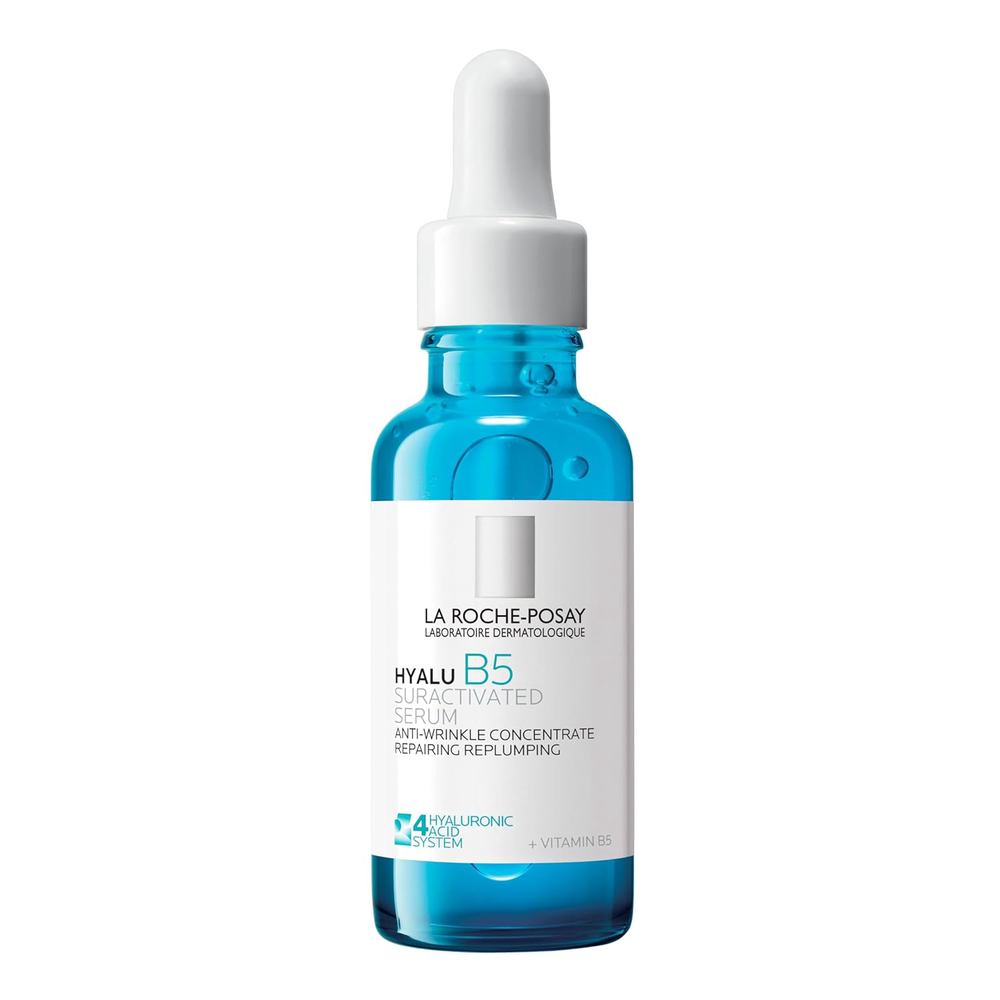
You apply a serum or a lotion, it dries down, and then your skin feels tight—almost sticky, like it’s pulling when you smile. This is a clear signal that the product is drawing moisture out of your skin (a process called osmotically induced dehydration) rather than delivering it. Many ingredients, including hyaluronic acid, work by pulling water from the environment into the skin. But if the air is dry or your internal hydration is low, those molecules can end up pulling water from the deeper layers of your skin to the surface, where it evaporates. The result is a feeling of tightening, not comfort. If your skincare routine leaves you feeling tight after 10 minutes, your body is telling you that your internal water supply is insufficient to support those ingredients.
How to Rehydrate From the Inside Out
Recognizing these signs is the first step. Here’s how to shift your approach without changing your entire medicine cabinet:
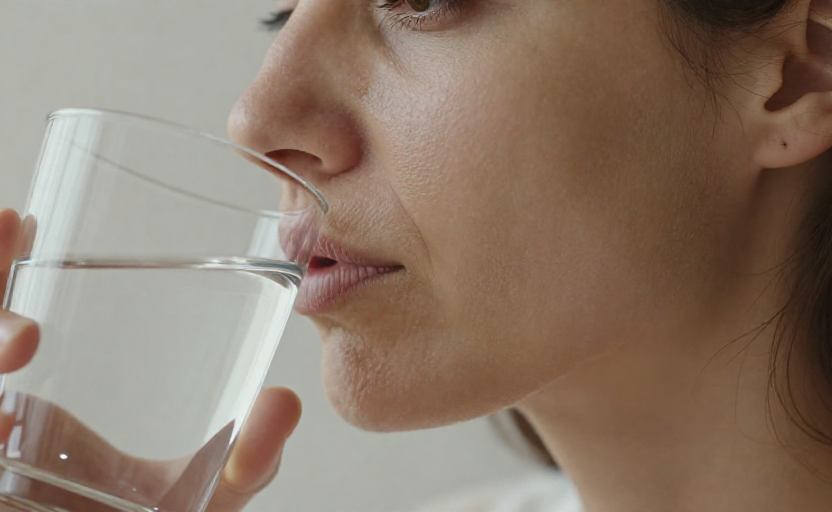
- Prioritize water intake consistently. Sip water throughout the day rather than chugging large amounts. Herbal teas, broths, and water-rich vegetables (cucumber, celery, zucchini) also contribute to total hydration.
- Use a humidifier at night. Dry indoor air steals moisture from your skin. A humidifier can increase ambient humidity, helping the hydrating ingredients you apply actually work.
- Layer your skincare correctly. Apply water-based products (toners, essences, serums) before heavier creams. This gives the lower layers of your skin a chance to absorb water first.
- Look for barrier-supporting ingredients. Ceramides, squalane, and niacinamide help the outer layer hold onto water, reducing transepidermal water loss.
A gentle reminder: If upping your water intake doesn't relieve these signs in a week or two, or if you also experience persistent thirst, fatigue, or dizziness, talk with a healthcare provider. Chronic dehydration can sometimes signal underlying health concerns—getting the right balance is essential at any age.
Your skin’s needs change with time, and what worked in your 30s may not be enough in your 50s and beyond. The goal isn’t more products—it’s the right foundation. Sometimes, the most effective refreshment comes from a glass of water, not a jar of cream.