Most dark spots are harmless, but your skin sometimes sends signals that deserve a closer look. Knowing when a spot is simply a post-acne mark or sun freckle versus something that needs a dermatologist’s evaluation can make a real difference for your health. Here are three early signs that it’s time to book an appointment.
The spot is changing shape, size, or color
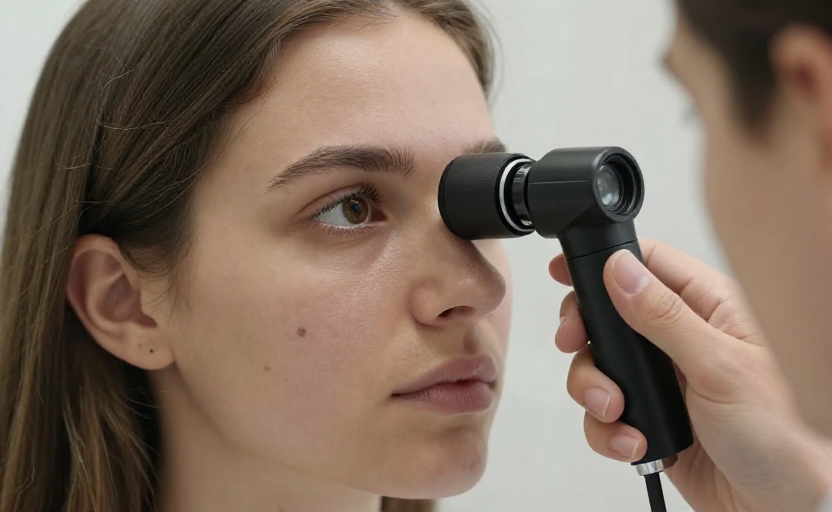
One of the most common reasons dermatologists ask patients to monitor their skin is change. If a dark spot you’ve had for months or years suddenly grows larger, shifts from a uniform brown to a mix of black, red, or blue, or develops an irregular border, that’s a clear signal. A stable spot is usually a good sign; a changing one warrants professional eyes. This doesn’t automatically mean something serious, but these changes are exactly what a dermatologist is trained to assess. They may perform a simple dermoscopy — a magnified look at the spot — to rule out atypical pigmentation or early signs of skin cancer.
It bleeds, itches, or crusts without any injury
Healthy dark spots — whether from sun exposure, hormonal shifts, or old inflammation — tend to be quiet. They sit on the skin and don’t bother you. If a spot starts to itch persistently, or you notice a small scab or bleeding for no reason (you didn’t scratch it or bump it), that’s a red flag. Any spot that behaves like a wound but isn’t one should be checked. This is especially true for spots on sun-exposed areas like the face, ears, scalp, and arms. Dermatologists call this the “ugly duckling” sign — a spot that just doesn’t act like the others around it.
It appeared suddenly and looks different from your other spots
Most people have a mix of freckles, lentigines (sun spots), and perhaps some old acne marks. You know your skin better than anyone. If a new dark spot shows up seemingly out of nowhere — especially after age 40 or on skin that doesn’t normally get a lot of sun — it deserves attention. A new spot that is very dark, has an odd shape, or stands out from all your other marks is worth a professional look. Dermatologists often use the ABCDE rule (Asymmetry, Border, Color, Diameter, Evolving) as a starting guide. Even if a spot only has one of those features, an evaluation brings peace of mind — or early treatment if needed.
What to expect during a dermatology visit for dark spots
If any of these signs sound familiar, don’t panic. Most dark spots turn out to be benign. A dermatologist will first ask about your history — sun exposure, family history of skin cancer, and when you first noticed the spot. Then they’ll examine it with a dermatoscope, a handheld lens that magnifies the pigment structures beneath the surface. In some cases, a small biopsy may be recommended. This is a quick, in-office procedure where a tiny sample of the spot is sent to a lab for analysis. The results guide the next steps, which could be simple monitoring, removal, or treatment for an underlying condition.
When you might not need a specialist yet
Not every dark spot is a medical concern. Flat, brown spots that have been stable for years — especially on sun-exposed areas like the back of the hands or cheeks — are often just sun lentigines. Spots that appear after a pimple heals and fade over a few months are post-inflammatory hyperpigmentation. However, if you have any doubt, or if a spot matches one of the three signs above, it’s always safer to have it checked. Skin cancer caught early is highly treatable. Waiting too long is the only real risk.
Everyday habits that help you spot changes early
- Do a monthly skin self-exam in good light. Use a full-length mirror and a hand mirror for hard-to-see spots like your back and scalp.
- Take photos with a ruler next to any spot you’re watching. Comparing photos from month to month makes it easier to see real changes.
- Keep a simple log of any new spots and note the date you first noticed them.
"I always tell my patients: If a spot is changing, bleeding, or itching — don’t Google it, don’t put a cream on it, just come in. Most of the time it’s nothing, but that’s exactly why you should come."
Your skin is your body’s largest organ, and it deserves the same attention you give to the rest of your health. If any of these early signs apply to a dark spot on your skin, schedule a dermatologist evaluation. It’s a straightforward step that can make all the difference.