
When split ends and brittle strands appear, our first instinct is often to reach for a new serum or a salon treatment. While topical care is essential, the foundation of hair resilience is built from within. What you drink can be a surprisingly direct way to nourish the hair follicle and support the strength and elasticity of each strand, helping to prevent the fraying that leads to splits.
Think of your hair as a plant. You can mist the leaves, but without watering the roots, it will never truly thrive. The right beverages deliver hydration and key nutrients directly to your system, supporting the natural processes that create healthy, resilient hair from the inside out.
How can drinks affect hair health?
Hair is primarily made of keratin, a protein. Its strength, shine, and flexibility depend on a steady supply of building blocks—like proteins, vitamins, and minerals—and ample hydration. Dehydration alone can make hair dry, dull, and more prone to breakage. Drinks that go beyond plain water can offer a dual benefit: they hydrate while also delivering specific nutrients known to support keratin production, scalp health, and antioxidant protection.
This internal nourishment helps fortify the hair shaft, making it more resistant to the daily stressors—heat styling, brushing, environmental factors—that cause damage and lead to split ends.
1. The Protein-Packed Smoothie
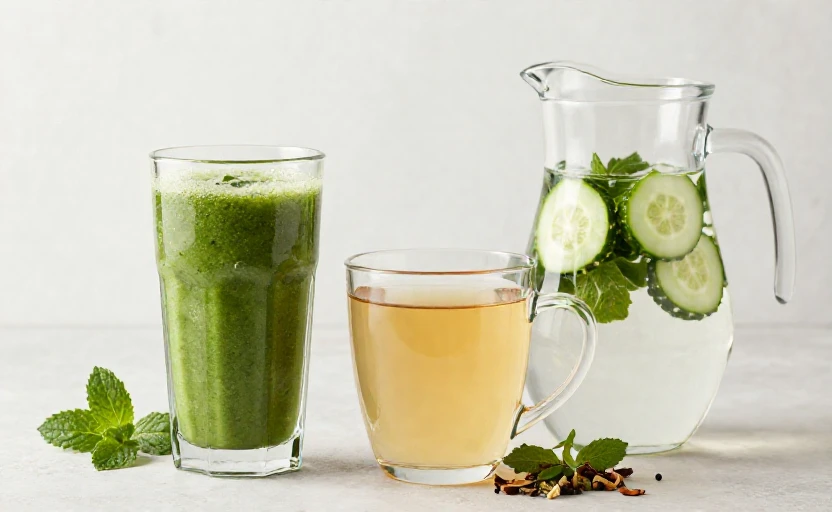
For structural resilience, protein is non-negotiable. A smoothie is a perfect vehicle for hair-friendly proteins and fats. Consider blending unsweetened Greek yogurt or a scoop of collagen peptides with a handful of spinach, half an avocado, and a cup of mixed berries.
Why it works: Greek yogurt and collagen provide the amino acids essential for keratin synthesis. Spinach is rich in iron and folate, which support healthy oxygen delivery to hair follicles. Avocado contributes biotin and healthy fats that moisturize the hair shaft from within, while berries offer vitamin C for collagen formation and antioxidant protection.
Tip: For an extra boost, add a tablespoon of ground flaxseed or chia seeds for omega-3 fatty acids, which can help add shine and reduce scalp inflammation.
2. The Herbal Infusion: Nettle or Horsetail Tea
Moving beyond standard green tea, certain herbal infusions have a long history in traditional wellness for supporting hair. Nettle leaf and horsetail herb are two notable options. Steep a tablespoon of dried nettle leaf or horsetail in hot water for 5-10 minutes to make a simple, caffeine-free tea.
Why it works: Nettle is a source of silica, iron, and vitamins A and C. Horsetail is particularly rich in silica, a trace mineral that is a component of keratin and is believed to help strengthen hair and improve its texture. While more research is always welcomed in the realm of herbal remedies, these teas offer a gentle, hydrating way to potentially increase your intake of these supportive minerals.
3. The Hydration Hero: Cucumber & Mint Infused Water
Never underestimate the power of pure, well-enhanced hydration. Chronic low-level dehydration can directly impact hair, leaving it dry and brittle. If plain water feels like a chore, infusing it with fresh ingredients like cucumber and mint makes it more appealing and adds a whisper of extra nutrients.
Why it works: Cucumber is rich in silica and sulfur, both associated with hair growth and strength. It’s also incredibly hydrating itself. Mint can have a mild stimulating effect on the scalp when consumed. Most importantly, this drink makes consistent, high-volume hydration enjoyable, ensuring your hair follicles and strands have the fluid environment they need to function optimally.
What to keep in mind
These drinks are meant to complement a balanced diet, not replace whole foods or medical advice. True biotin deficiency is rare, and while ensuring adequate intake is important, mega-doses from supplements are not proven to improve hair health in people who are not deficient and can sometimes interfere with lab tests.
The goal is consistent, nourishing support. You won’t see results overnight, but over weeks and months of staying hydrated and feeding your body the right building blocks, you may notice your hair feels stronger, retains moisture better, and shows fewer signs of splitting at the ends. Always consult with a healthcare provider for persistent hair concerns, as they can sometimes signal other health conditions.