Exfoliation leaves skin looking fresh and smooth—until you push a little too hard. Suddenly, your face feels tight, looks red, and stings when you put anything on it. In that moment, most people reach for a soothing moisturizer, but the real source of aggravation might be something you drank an hour ago.
Your skin barrier is a delicate structure. After exfoliation, whether from a grainy scrub, a chemical peel, or a gentle acid toner, the outermost layer is temporarily thinner and more permeable. That means substances that normally wouldn't bother you can now slip through and trigger inflammation. Certain drinks can pour fuel on that fire, making redness and sensitivity last longer than they should.
Here are three beverages to set aside until your skin has fully recovered.
1. Coffee and other highly caffeinated drinks
A hot coffee first thing in the morning is a ritual for many. But when your skin is raw from exfoliating, caffeine works against you in a few ways. Caffeine is a diuretic, which means it encourages your body to flush out water. Dehydrated skin struggles to repair its barrier, and irritation can linger longer when moisture levels are low.
Caffeine also constricts blood vessels. While that sounds like it might reduce redness, it can actually interfere with the healing blood flow your skin needs to deliver oxygen and nutrients to damaged cells. After exfoliation, you want good circulation—not restricted flow.
Consider swapping your morning coffee for a mug of herbal tea (avoiding citrus-based varieties) or simply warm water with lemon once the peel is in the glass. Give your skin a couple of days to calm down before returning to your usual brew.
2. Alcohol
It is well known that alcohol dehydrates the body, and your skin is the first organ to show it. After exfoliation, your barrier is already compromised. Drinking alcohol pulls water away from the skin, making it harder for cells to regenerate and repair. The result: dry, flaky patches that take longer to fade.
Beyond dehydration, alcohol is a vasodilator. It widens blood vessels near the surface of the skin. When your face is already red and sensitive, alcohol can make that flush more pronounced and persistent. If you have rosacea or are prone to broken capillaries, the combination of exfoliation and alcohol can be especially problematic.
A useful rule: If a drink would sting if you poured it directly on your face, reconsider having it while your barrier is healing. Alcohol and acidic cocktails fall squarely in that category.
If you have a social event, opt for sparkling water with a splash of fruit juice or a non-alcoholic botanical drink. Your skin will thank you the next morning.
3. Sugary sodas and sweetened juices
Exfoliation creates micro-inflammation in the skin. That is the point—it triggers renewal. But you do not want to amplify that inflammation. High-sugar drinks cause a rapid spike in blood glucose and insulin, and that cascade promotes systemic inflammation. When your skin is in a vulnerable state, sugar can worsen redness and slow down healing.
There is also the matter of glycation. Excess sugar molecules bind to collagen and elastin fibers, making them stiff and brittle. While that process happens over years, a high-sugar diet after exfoliation works against the very firmness and bounce you are trying to achieve. A sweetened soda or bottled iced tea might be refreshing, but it's doing your freshly sloughed skin no favors.
Instead, reach for plain water infused with cucumber, fresh mint, or a few berries (strained to avoid seeds sticking to irritated spots). These options hydrate without the sugar surge.
What should you drink after exfoliation?
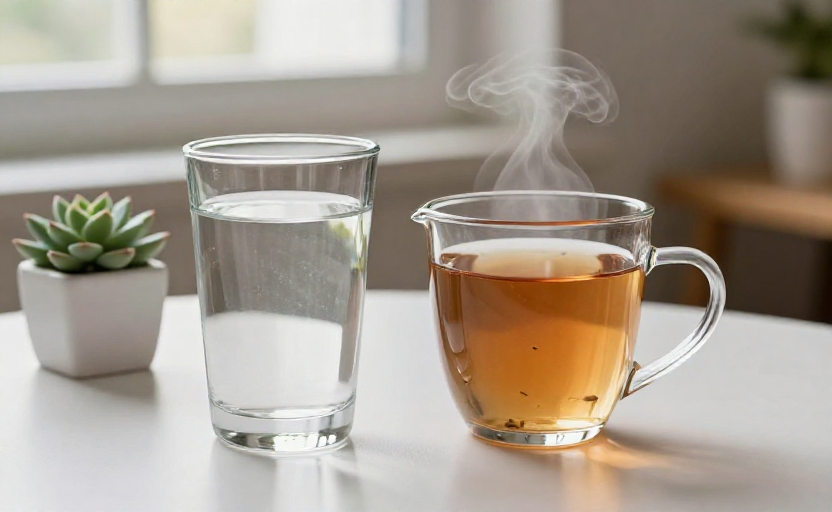
Water, plain and simple. Your skin repairs itself best when it's well hydrated from the inside out. If you want something with a bit of flavor, cold-brewed herbal teas like chamomile, rooibos, or mint are anti-inflammatory and soothing. Coconut water (without added sugar) can also help replenish electrolytes lost during sweating without aggravating sensitive skin.
Beyond what you drink, treat your skin gently for the next 24 to 48 hours after exfoliation: use a mild, fragrance-free cleanser, apply a barrier-repair moisturizer, and skip any active ingredients like retinol or acids. Let your skin's natural healing process do its work.
Taking care of your skin isn't only about the products you put on it—it's also about what you put in your body. Choosing the right drinks while your barrier recovers can help you see that glow you were aiming for in the first place.