
Get Advice
Home mind emotional-health 3 drinks to avoid when you're building emotional resilience, say therapists
emotional-health 2 min read

3 drinks to avoid when you're building emotional resilience, say therapists

Written By Hannah Foster
May 25, 2026
Reviewed by   Ethan Carter, MD
Health writer and meditation practitioner sharing insights on mental wellness, breathwork, and creating calm in a chaotic world.
3 drinks to avoid when you're building emotional resilience, say therapists
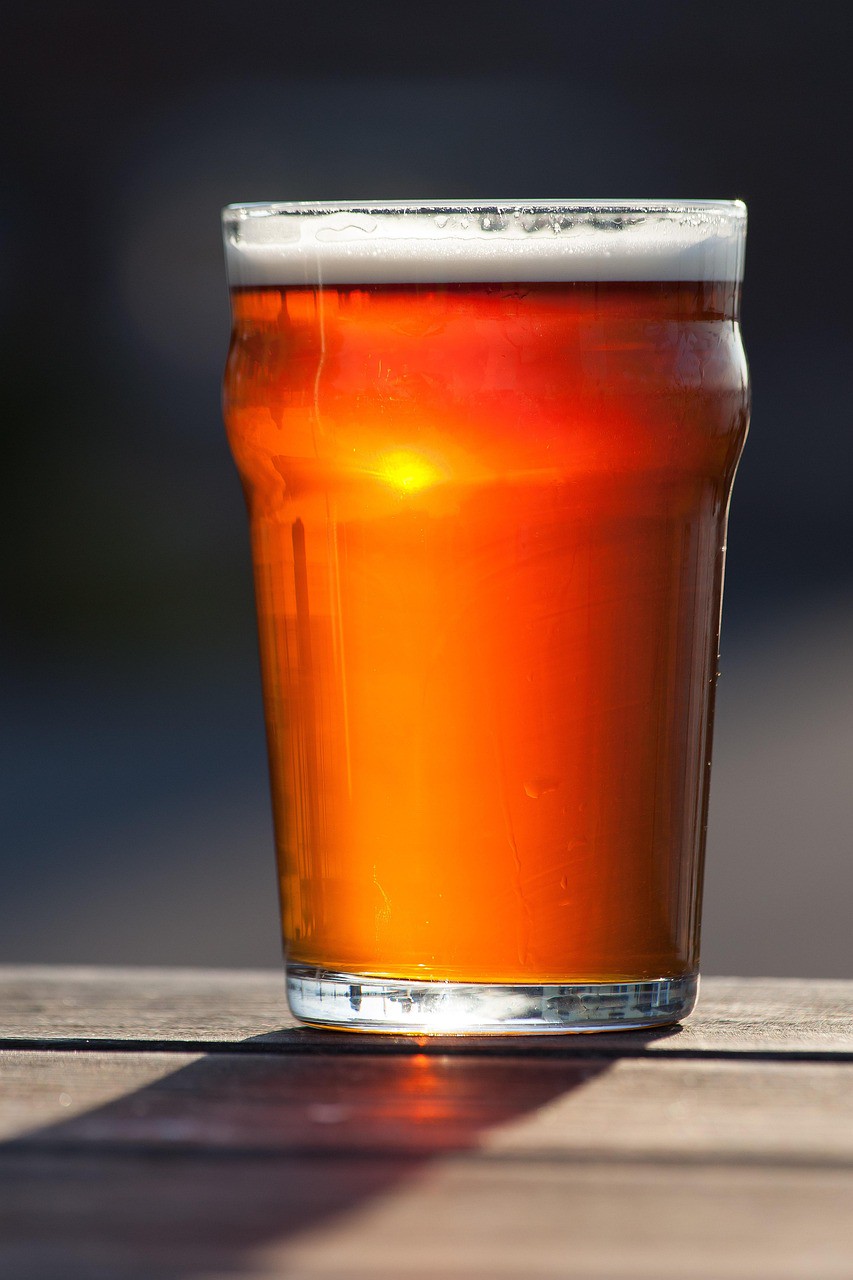
3 drinks to avoid when you're building emotional resilience, say therapists Source: Pixabay

Building emotional resilience isn't just about mindset or sleep habits—it's also about what you put into your body. According to therapists, certain drinks can subtly work against your ability to regulate emotions, handle stress, and maintain a steady mood. If you're actively trying to strengthen your emotional resilience, here are three beverages worth cutting back on or avoiding.

1. Energy drinks and high-caffeine beverages

Energy drinks, espresso shots, and even some high-caffeine teas can spike cortisol and adrenaline. This puts your nervous system on high alert, which is the opposite of the calm, focused state you need for emotional regulation. "When your body is in a fight-or-flight mode from caffeine overload, it's much harder to access the part of your brain that helps you pause and choose a response," explains Dr. Monica Vermani, a clinical psychologist. Over time, this pattern can make you more reactive and less resilient to everyday stressors.

2. Alcohol in any amount before a difficult conversation

Many people reach for a glass of wine to "take the edge off" before a tough talk or stressful evening. But therapists warn that alcohol depresses the central nervous system and lowers your ability to read social cues, control impulses, and stay emotionally balanced. "A single drink can reduce your emotional self-awareness for hours," notes therapist and relationship expert Dr. Sarah Epstein. "You may feel calmer in the moment, but your long-term resilience relies on learning to tolerate discomfort without a chemical crutch."

3. Sugary sodas and sweetened coffees

Blood sugar spikes and crashes directly affect mood stability. A large sugary soda or a blended coffee drink can send your glucose levels soaring, followed by a sharp drop—and that drop can trigger irritability, brain fog, and anxiety. Research in the journal Psychiatry Research has linked high-sugar diets to higher rates of depression over time. Emotional resilience depends on a steady internal environment, and liquid sugar is one of the quickest ways to disrupt that balance.


Therapists emphasize that you don't need to eliminate these drinks entirely from your life. Instead, pay attention to when you consume them. Avoiding high-caffeine or high-sugar drinks during emotionally demanding periods—and replacing them with water, herbal tea, or a small protein-rich snack—can give your nervous system the stable ground it needs to build lasting resilience.

Related FAQs
For most people, a single cup of coffee in the morning is fine. The issue arises with multiple servings or energy drinks that deliver a high dose of caffeine in a short time, which can spike cortisol and make emotional regulation harder.
Occasional moderate drinking is generally not harmful, but therapists caution against using alcohol to cope with stress or difficult emotions because it can blunt your ability to build healthy coping skills over time.
Liquid sugar enters the bloodstream faster than solid food, causing a quicker spike and crash in blood sugar. This rapid fluctuation directly impacts mood stability far more than a balanced snack containing protein or fiber.
Therapists recommend still water, herbal teas (like chamomile or peppermint), or a warm lemon drink. These keep you hydrated without interfering with your nervous system or blood sugar levels.
Key Takeaways
  • Emotional resilience isn't just about mindset—your beverage choices directly affect mood and stress tolerance.
  • Energy drinks and high-caffeine beverages spike cortisol, making emotional regulation harder.
  • Alcohol before stressful situations reduces emotional self-awareness and impulse control.
  • Sugary sodas and sweetened coffees cause blood sugar crashes linked to irritability and anxiety.
  • Hydration with water or herbal tea supports a steady nervous system during emotionally demanding times.
Medical Note
This article is for informational purposse only and should not be taken asanb caring teotio ongpontyBeotot bacnts Spotiroeprofestional medical loloice. Awwver consux with a healthcart-professenar-tal for medical advice and ineatment.
Comments
  • No comments yet. Be the first to share your thoughts.
Leave a Comment
Login with Google to comment.
Looking for more personalized guidance?
Explore expert-informed wellness content tailored to your health interests and goals.
Get Advice
Recommended for
Your Health
Slay healthy with us
No recommended article
  • No recommended article
    No data
    -
    该列表没有任何内容
About the Author
Hannah Foster
Lifestyle Health Writer