

You know the drill: SPF every morning, a wide-brimmed hat on sunny days, and seeking shade during peak hours. These are non-negotiables for keeping your skin even-toned and free of sun spots (those flat, discolored patches dermatologists call solar lentigines). But what if your morning coffee or afternoon iced tea is quietly undermining all that effort?
Emerging research and clinical observations suggest that what you sip can influence your skin's sensitivity to UV damage and its ability to repair itself. Certain beverages may heighten inflammation, disrupt collagen production, or make melanin-producing cells more reactive to sunlight. Here are three drinks that skin experts commonly advise limiting if you're serious about preventing sun spots.
1. Sugary sodas and sweetened energy drinks
That midday cola or neon-bright energy drink does more than spike your blood sugar. High sugar intake triggers a process called glycation, where sugar molecules bind to proteins like collagen and elastin in your skin. This creates advanced glycation end products (AGEs) that stiffen collagen fibers and leave your skin less resilient against UV damage.
"When your dermis is structurally compromised by sugar, it cannot repair sun damage as efficiently," explains Dr. Sara Perkins, a board-certified dermatologist. "The result is more pronounced pigmentation and a slower fade of existing spots."
Beyond glycation, sugary drinks promote systemic inflammation. Inflammatory signals can stimulate melanocytes (the cells responsible for pigment) to produce excess melanin, especially when triggered by UV exposure. Over time, this contributes to the formation of new sun spots and deepens existing ones. If you crave a carbonated pick-me-up, opt for sparkling water with a splash of citrus or a few muddled berries.
2. Grapefruit and citrus juices (especially when consumed before sun exposure)
Citrus fruits are packed with vitamin C—a stellar antioxidant for skin health. The catch? Some citrus fruits contain compounds called psoralens and furocoumarins that can make your skin temporarily more photosensitive. When you drink grapefruit juice and then step into sunlight, these compounds absorb UV radiation and create free radicals that rapidly damage pigment cells.
"I see this frequently in patients who tell me they drink fresh-squeezed grapefruit juice with their breakfast and then walk the dog without sunscreen," notes Dr. Perkins. "Within days, they develop irregular dark patches on their face and chest that are far harder to treat than gradual sun spots."
It is not just grapefruit. Lime, lemon, and even celery- or parsley-heavy green juices can have a mild photosensitizing effect. You don't need to eliminate these healthy drinks entirely—just enjoy them in the evening or apply a broad-spectrum SPF 50 before heading outdoors after your morning juice.
3. Alcohol (particularly wine and cocktails)
Alcohol stresses your liver, which plays a role in metabolizing hormones and filtering toxins. When your liver is overburdened, your body's ability to regulate melanin production can become erratic. Many heavy drinkers develop a persistent, blotchy discoloration across the cheeks and forehead that dermatologists call "alcohol-induced hyperpigmentation."
More directly, alcohol depletes vitamin A and antioxidants that normally protect melanocytes from UV-induced mutations. Red wine, while praised for resveratrol, also contains histamines and sulfites that can dilate blood vessels and increase inflammation in the skin. White wine and cocktails mixers like tonic water (which contains quinine, another photosensitizing compound) stack the odds further against even skin tone.
A cocktail on vacation—when sun exposure is highest—doubles the concern. The combination of alcohol, dehydration, and direct UV rays creates a perfect storm for pigment irregularities.
Small swaps for clearer skin
You do not need to live like a monk. The goal is awareness and moderation. If you are prone to sun spots or currently treating hyperpigmentation, consider these simple swaps:
- Water first. Hydrated skin heals faster from UV stress. Aim for half your body weight in ounces of plain water daily.
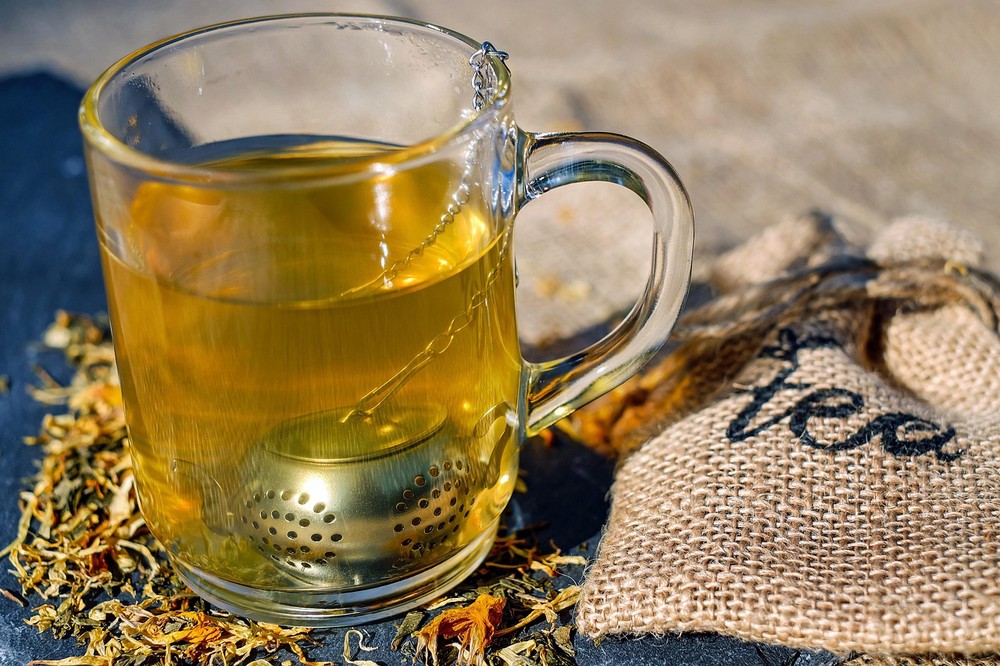
- Green tea (iced or hot). Contains epigallocatechin gallate (EGCG), a polyphenol that has been shown to reduce sunburn response and calm melanocyte activity in place of a morning soda or juice.
- Herbal teas like rooibos or chamomile. They are naturally low in acids and contain antioxidants without the photosensitizing compounds found in citrus or the dehydrating effects of alcohol.
- Iced matcha latte with oat milk. Provides a slow-release caffeine boost with potent antioxidants that may help protect against UV damage.
Ultimately, no drink alone causes sun spots—but certain beverages can create an internal environment where sun damage thrives. Pair smart drink choices with daily SPF, protective clothing, and regular skin checks to keep your complexion clear for years to come.








