When scalp sensitivity is a daily reality, even small choices—like what you drink—can either soothe the irritation or stir it up further. If you've noticed that your hair seems thinner and your scalp feels tender, inflamed, or itchy, those drinks you reach for might be part of the problem. Let's walk through the three most common beverages that can aggravate a sensitive scalp and, over time, contribute to worse hair thinning.
How drinks affect scalp sensitivity and hair loss
The connection between what you sip and what happens on your scalp isn't always obvious. But your scalp is skin—and like the rest of your skin, it reacts to what enters your bloodstream. Certain ingredients in popular drinks can dial up inflammation, trigger histamine responses, or dehydrate the scalp tissues. When the scalp is chronically irritated, the hair growth cycle can stall, and existing thinning may speed up.
Think of your scalp as a garden: if the soil is inflamed or dried out, the plants can't thrive.
The top 3 drinks to avoid with a sensitive scalp
Sugary sodas and sweetened beverages
Sugar does more than spike your blood glucose. High sugar intake fuels systemic inflammation, and the scalp is not exempt. When you drink a can of soda or a sugary energy drink, your body releases inflammatory cytokines—compounds that can worsen any existing scalp irritation like contact dermatitis, seborrheic dermatitis, or folliculitis. Over time, this chronic, low-grade inflammation can interfere with hair follicle function and accelerate shedding.
If you crave something fizzy, try plain sparkling water with a squeeze of lemon or a few mint leaves. Your scalp will thank you for the hydration minus the sugar rush.
Alcohol (especially beer and sugary cocktails)
Alcohol is a double-edged sword for the sensitive scalp. First, it's a diuretic: it dehydrates your entire body, including the skin on your scalp. A dry scalp can become flaky, tight, and more prone to itching—a perfect storm for inflammation. Second, alcohol can increase blood flow to the skin in some people, leading to facial flushing and a sensation of heat or stinging on the scalp. For those already dealing with a reactive scalp, this can feel like pouring gasoline on a small fire.
Wine, beer, and mixed drinks with added sugars are the worst offenders because they combine the dehydrating effects of alcohol with the inflammatory effects of sugar. If you choose to drink, opt for water in between each alcoholic beverage to stay hydrated and dilute the impact on your scalp.
Coffee and high-caffeine energy drinks
Caffeine is a vasoconstrictor—it narrows blood vessels—which might sound helpful for reducing redness, but the problem is more complex. In people prone to scalp sensitivity, caffeine can raise cortisol levels (the stress hormone). Elevated cortisol is linked to increased hair shedding, especially in conditions like telogen effluvium. Furthermore, many people add sugar and cream to their coffee, compounding the inflammatory potential.
Energy drinks are a bigger concern because they pack in massive amounts of caffeine along with sugar, taurine, and other stimulants that can overstimulate the nervous system and trigger inflammatory skin reactions. If you cannot part with your morning coffee, switching to a smaller cup without added sweeteners, and drinking plenty of water throughout the day, can help reduce the impact.
What to drink instead for a healthier scalp
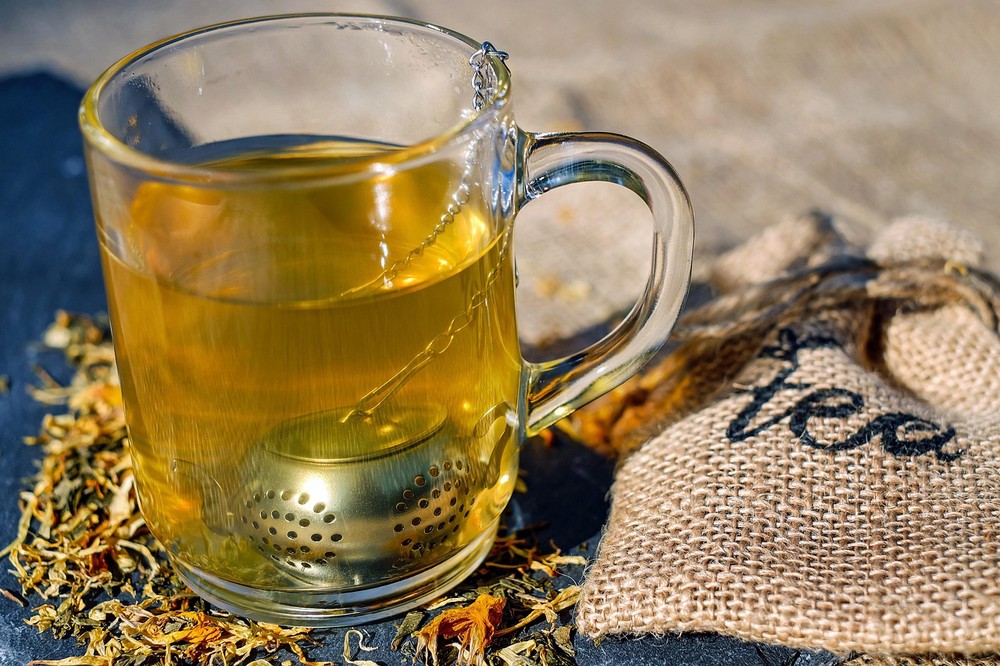
Replacing the problematic drinks with scalp-friendly options is straightforward once you know what to reach for. Herbal teas like chamomile, rooibos, and peppermint are naturally caffeine-free and have anti-inflammatory properties that can calm scalp sensitivity from the inside out. Plain water is always the gold standard for hydration. Broths and soups also help you stay hydrated while delivering minerals that support hair growth, such as silica and zinc.
If you want something with a bit of flavor, try infusing water with cucumber slices, berries, or fresh ginger. These add subtle taste and additional anti-inflammatory benefits without triggering scalp irritation.
Recognizing the signs of a drink-related scalp flare-up
It can be tricky to connect a drink you had hours earlier with scalp discomfort the next day. Keeping a simple symptom diary for a week or two can reveal patterns. Look for these signs after drinking certain beverages:
- Increased itching or tingling on the scalp within 12–24 hours
- Noticeable redness, especially around the hairline or crown
- More flakes or scales than usual
- A feeling of tenderness or pain when brushing or washing your hair
- An uptick in hair shed (you might notice more hair in the shower drain or on your brush)
If you spot these patterns, try eliminating the suspected drink for two weeks. You may be surprised at how much calmer your scalp feels.
When to see a professional
While adjusting your diet and drinks can make a real difference for mild to moderate scalp sensitivity, it's not a substitute for medical advice. If your scalp is persistently painful, oozing, or if you're losing hair in patches, see a dermatologist. Conditions like scalp psoriasis, fungal infections, or autoimmune-related hair loss require targeted treatments beyond dietary changes.
A dermatologist can help identify whether your scalp sensitivity is primarily from internal factors like diet, external factors like hair products, or a medical condition that needs specific care.
Small, consistent changes in what you drink each day can add up to a calmer, healthier scalp—and over time, that healthier environment gives your hair the best chance to regrow stronger.