
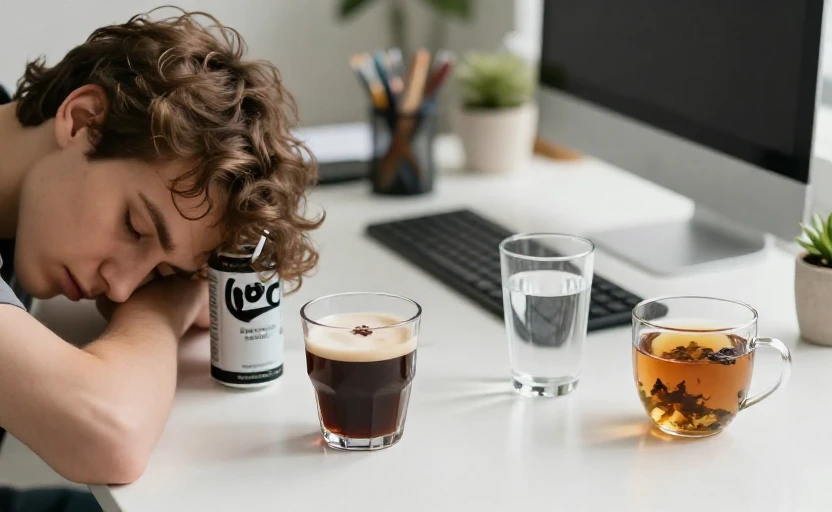
We often reach for a drink to power through an afternoon slump or soothe a stressful moment at work. But the very beverage we choose for a quick boost can be the thing that ultimately drains our energy and heightens our tension. Understanding how certain drinks interact with our body’s stress and energy systems is a simple, yet powerful, step toward feeling more balanced and focused during the workday.
The goal isn’t about deprivation, but about making informed choices that support your well-being. By identifying a few common culprits, you can create space for more nourishing alternatives that provide steady, sustainable energy without the subsequent crash or jitters.
Why Your Drink Choice Matters for Energy and Stress
What we consume directly influences our nervous system and blood sugar levels. Drinks high in sugar or caffeine can trigger a rapid spike in energy, followed by a sharp drop. This rollercoaster stresses the body, prompting the release of hormones like cortisol and adrenaline. Over time, relying on these quick fixes can leave you feeling chronically fatigued and more reactive to daily pressures. Choosing beverages that promote hydration and stable blood sugar, on the other hand, supports a calmer, more resilient state.
1. The Sugary Coffee Drink
That large, sweetened latte or frozen coffee beverage is a double-edged sword. While the caffeine provides an initial alertness, the massive dose of sugar is the real problem. It causes a rapid spike in blood glucose, giving a fleeting sense of energy. Your pancreas responds by releasing insulin to manage the sugar, often leading to a reactive crash an hour or two later. This crash manifests as brain fog, irritability, and renewed fatigue—precisely when you need to be clear-headed.
The subsequent energy dip can feel worse than your original slump, creating a cycle of dependence.
Furthermore, the combination of caffeine and sugar can exacerbate feelings of anxiety and restlessness, making it harder to manage work stress calmly.
2. Regular Soda and Sweetened Energy Drinks
These are essentially liquid sugar. A single can of soda can contain nearly 40 grams of added sugar, far exceeding daily recommendations. The effect is a severe blood sugar spike and crash, which is profoundly taxing on the body’s stress-response system. The artificial colors, flavors, and preservatives in many of these drinks may also be inflammatory for some individuals, subtly contributing to feelings of unwellness or low energy.
So-called “energy” drinks compound the issue by adding high levels of caffeine and other stimulants to the sugar load. This can lead to nervousness, heart palpitations, and disrupted sleep patterns—especially if consumed later in the day. Poor sleep is a primary driver of both low energy and heightened stress, making this a particularly counterproductive choice.
3. Alcoholic Beverages (Especially at Lunch)
While an after-work drink is a common ritual, consuming alcohol during work hours—even a light beer at lunch—can significantly undermine your afternoon performance and mood. Alcohol is a central nervous system depressant. It may initially feel relaxing, but it impairs cognitive function, reaction time, and decision-making.
As the body metabolizes the alcohol, it can lead to increased feelings of lethargy and difficulty concentrating. For many, alcohol also disrupts blood sugar regulation and can interfere with deep, restorative sleep later that night, setting you up for a more challenging tomorrow. Relying on alcohol to take the edge off work stress can create an unhealthy pattern that diminishes your natural capacity to cope.
What to Reach for Instead
Shifting away from these drinks doesn’t mean a life of bland beverages. The focus should be on hydration and nutrients that support your body without the dramatic peaks and valleys.
- Sparkling Water with a Twist: For the crave of fizz, choose plain sparkling water. Add a splash of 100% fruit juice, fresh citrus slices, cucumber, or muddled berries for natural flavor without concentrated sugar.
- Herbal and Green Teas: Herbal teas like chamomile, peppermint, or rooibos are naturally caffeine-free and can have a calming effect. For a gentle lift, green tea provides a modest amount of caffeine alongside L-theanine, an amino acid that promotes relaxed alertness without jitters.
- The Humble Glass of Water: Often, fatigue is simply a sign of mild dehydration. Keeping a water bottle at your desk and sipping consistently is the most fundamental step for maintaining energy and cognitive function.
Listen to your body’s cues. When you feel a slump, pause for a moment. Are you truly hungry or thirsty? Could a short walk, some deep breaths, or a glass of water serve you better than a sugary pick-me-up? Making one different choice can break the cycle and lead to a more steady, productive, and calm workday.