Managing an oily scalp often feels like a constant battle with shampoos and dry shampoos. But what if part of the solution was in your glass? While topical treatments have their place, internal hydration and nutrition play a foundational role in skin and scalp health. Certain beverages can support your body's natural balance, helping to moderate sebum production from the inside out. Let's explore a few simple, drinkable approaches that complement your haircare routine.
Can what you drink really affect scalp oil?
Absolutely. Your scalp is skin, and its oil-producing sebaceous glands are influenced by your overall health, hydration status, and hormone balance. Dehydration, for instance, can sometimes signal your skin to produce more oil. Nutritional imbalances and inflammation can also play a role. While no drink is a magic cure, consistently choosing beverages that promote hydration, provide key nutrients, and support a calm internal environment can create conditions where your scalp is less likely to overproduce oil.
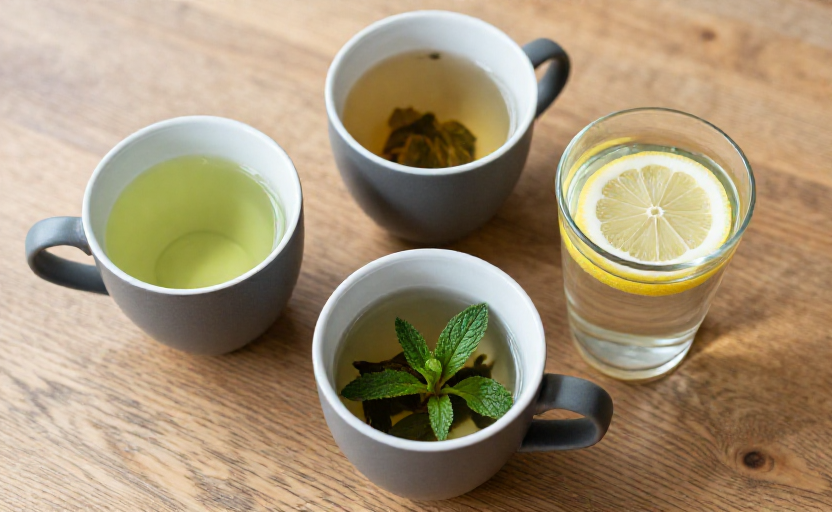
Green tea: A calming, antioxidant-rich choice
Green tea is a standout for overall skin health, and your scalp benefits too. It's rich in epigallocatechin gallate (EGCG), a potent antioxidant with noted anti-inflammatory properties. Since inflammation can sometimes exacerbate oil production, the soothing effect of green tea may be helpful.
Think of it as internal support for your scalp's environment. A cup or two of unsweetened green tea daily is a simple habit to cultivate.
Beyond antioxidants, it provides gentle hydration without the sugars or dairy found in other drinks that might aggravate some skin types.
Spearmint tea: A gentle herbal influence
For those whose oily scalp may be linked to hormonal fluctuations, spearmint tea has garnered attention in the wellness community. Some preliminary research suggests it may have mild anti-androgenic effects, meaning it could help moderate the influence of hormones that stimulate sebum production.
- It's important to view this as a gentle, supportive herb, not a strong intervention.
- Drinking one to two cups daily is the typical suggested approach.
- As with any herbal tea, consistency over time is key, and effects can vary from person to person.
Its fresh, clean taste makes it a pleasant, caffeine-free option for evening hydration.
Hydration, plain and simple: The power of water
Never underestimate the fundamental role of pure water. When you're not drinking enough, your body can become subtly dehydrated. Your skin, including your scalp, may respond by trying to compensate with increased oil production. Ensuring you're consistently well-hydrated is the most basic, yet most crucial, drinkable step you can take.
Carry a reusable water bottle and sip throughout the day. If plain water feels boring, try infusing it with slices of cucumber, lemon, or a few berries for a hint of flavor without sugar. Herbal teas like chamomile or rooibos also count toward your fluid intake and offer their own calming benefits.
What to avoid in your glass
Just as some drinks can help, others might undermine your efforts. Sugary sodas, fruit juices, and sweetened coffee drinks can cause blood sugar spikes, which may trigger inflammation and potentially influence oil production. Dairy is also a common culprit for some people, as it can be inflammatory for certain skin types. Paying attention to how your scalp feels after consuming these beverages can offer personal clues.
A balanced approach is best
Incorporating these drinks is about building supportive daily habits, not seeking an overnight fix. They work best as part of a holistic approach that includes a gentle, balanced haircare routine, a nutrient-rich diet, and stress management. Listen to your body, be patient, and view these beverages as one piece of your overall wellness puzzle. If excessive oiliness persists or is accompanied by redness or irritation, consulting a dermatologist is always a wise step to rule out underlying conditions.