Your hair faces a lot every day: UV rays, heat styling, hard water, and the natural aging process that gradually fades color and leaves the scalp feeling tight or flaky. While no drink can replace a good hair care routine, certain beverages deliver nutrients and compounds that support the scalp's moisture barrier and help preserve the richness of your natural or dyed color. Here are three drinks worth adding to your daily habits.
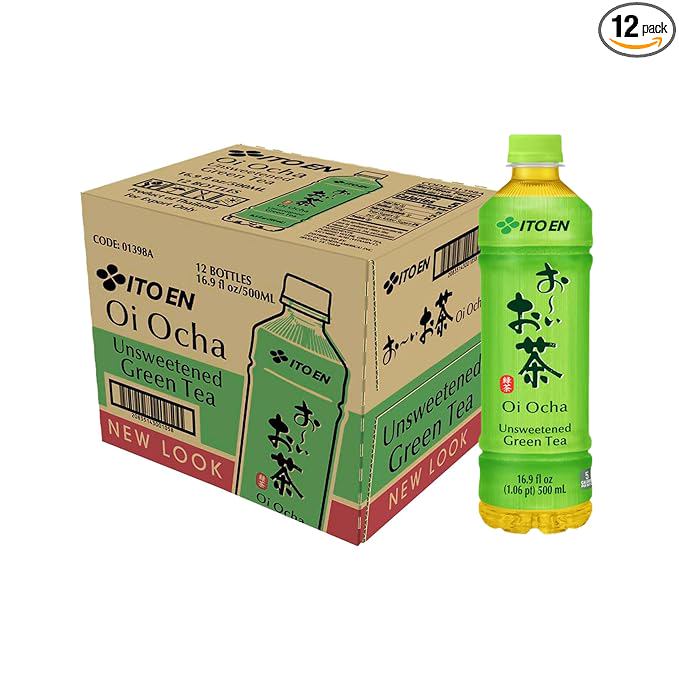
Green Tea: A Gentle Antioxidant Rinse for Color Retention
Green tea is rich in catechins, a class of antioxidants that fight oxidative stress on the scalp and hair follicles. Oxidative stress is one of the primary culprits behind premature graying and the fading of color-treated hair. By neutralizing free radicals, green tea can help prolong the life of your hair color while soothing inflammation on the scalp.
You don't have to drink gallons. A cup or two per day, or using cooled green tea as a final rinse after shampooing, can deliver these benefits without stripping natural oils. Look for loose-leaf or bagged green tea without added sugars or flavors—those extras don't help your hair.
Black Tea: Boosts Natural Depth and Reduces Scalp Sensitivity
Black tea contains tannic acid and caffeine, both of which can temporarily tighten the hair cuticle and add a subtle, warm tint to darker hair. For those with brown or black hair, a black tea rinse can help revive faded color and add a natural-looking depth. But the real scalp benefit comes from its antimicrobial properties.
An itchy, flaky scalp often stems from an overgrowth of yeast or bacteria. Black tea's tannins can help calm that imbalance, reducing irritation and scaling. To use it, brew two teaspoons of loose black tea leaves in a cup of boiling water, let it cool completely, and pour it over clean hair after shampooing. Leave it on for a few minutes, then rinse with cool water. Do this once a week to see a difference in scalp comfort and color richness.
A small study published in the International Journal of Trichology even suggested that black tea may reduce the production of dihydrotestosterone (DHT), a hormone linked to hair thinning, when consumed regularly. So drinking it counts too.
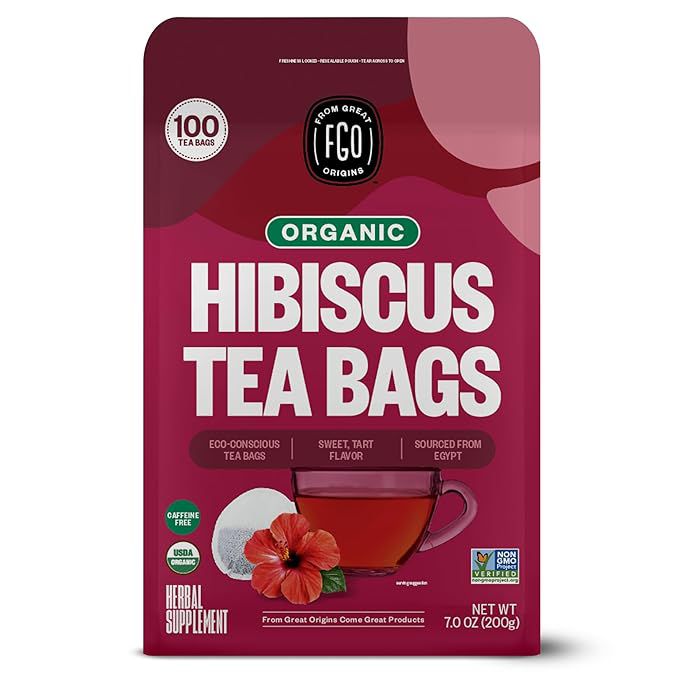
Hibiscus Tea: Vibrant Color and Scalp Hydration
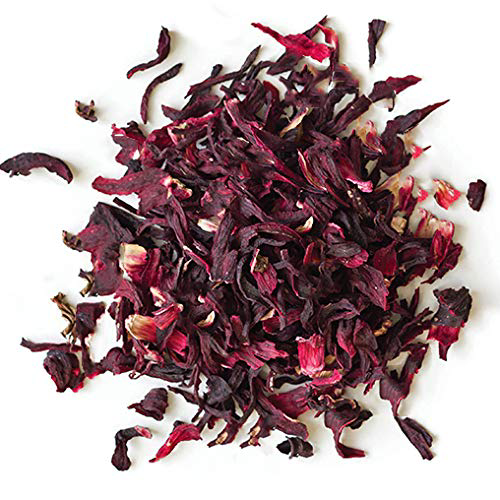
Hibiscus tea, made from the dried petals of the Hibiscus sabdariffa flower, is naturally rich in vitamin C, anthocyanins, and amino acids. These compounds support collagen production—essential for strong hair shafts—and help maintain the moisture balance of the scalp. For those with dry, flaky patches, hibiscus tea can be a soothing ally.
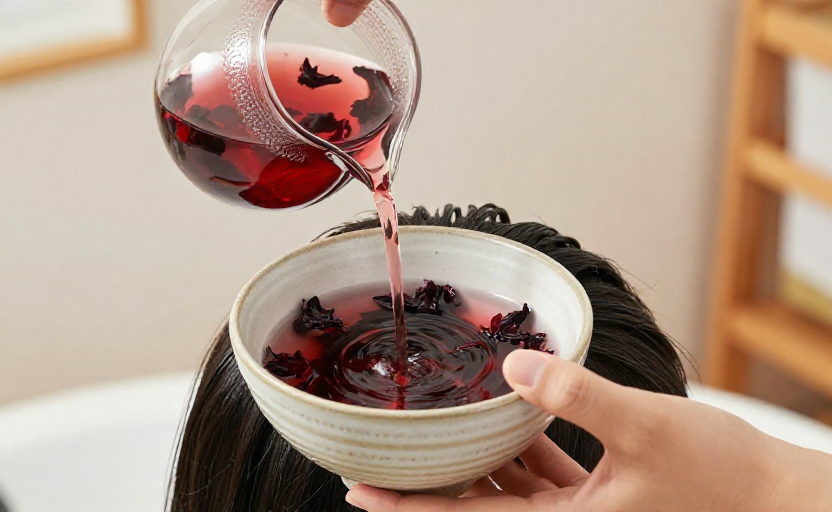
Its deep red color can also deposit a subtle rose or burgundy tone on lighter hair, making it a favorite among people who want to enhance reddish hues without chemical dyes. Drink a cup daily, or use it as a cold rinse before conditioning. The antioxidants in hibiscus also protect against UV damage, which is one of the fastest ways to fade hair color.
How to Incorporate These Drinks Into Your Routine
The simplest way to benefit is to replace one sugary or caffeinated beverage with a cup of green, black, or hibiscus tea each day. For topical use, brew a strong pot, let it cool, and pour it over clean hair after shampooing. Follow with a light conditioner (or skip it if your hair feels soft enough). Pattern: once a week for rinses, daily for drinking.
A quick tip: always let the tea cool to room temperature before applying to your scalp and hair. Hot liquid can burn the scalp and strip natural moisture.
What These Drinks Won't Do
None of these teas are a cure for genetic hair loss, alopecia, or serious scalp conditions like psoriasis or seborrheic dermatitis. They are gentle supportive measures, not medical treatments. If you have persistent scalp pain, severe flaking, or sudden changes in hair color or texture, it's best to consult a dermatologist.
Also, be cautious with hibiscus if you are pregnant or nursing—high doses of hibiscus extract have been linked to uterine stimulation. A single cup of tea is generally safe, but check with your doctor if you have concerns.
The takeaway is simple: adding antioxidant-rich teas to your diet and hair care routine can offer real, noticeable benefits for color longevity and scalp comfort. Start with one, see how your hair responds, and adjust from there. Your morning cup might just do more for your hair than you thought.