
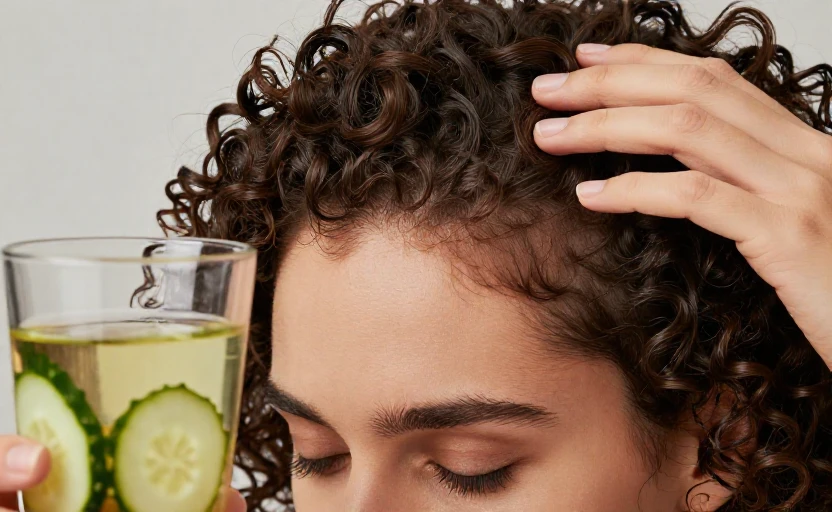
If you have curly hair, you know the unique joys—and occasional challenges—that come with your texture. One of the most common frustrations is an irritated, itchy, or dry scalp. The very structure of curly hair can make it harder for natural oils to travel down the hair shaft, leaving the scalp more vulnerable to dryness and sensitivity. While topical treatments are essential, what you put *into* your body can also play a surprisingly direct role in calming inflammation and supporting skin health from the inside out.
Think of it as nourishing your garden's soil. The right internal hydration and nutrients can help create a healthier foundation, making your scalp less reactive and more resilient. Let’s explore three simple, drinkable allies that can help soothe that irritation, allowing you to focus on enjoying your beautiful curls.
Why Does a Curly Scalp Get Irritated So Easily?
Before reaching for a drink, it helps to understand the landscape. Curly and coily hair types often have a drier scalp because sebum, the skin's natural oil, has a harder time coating the spiraled hair strands. This can lead to a compromised moisture barrier, making the scalp more susceptible to flaking, itching, and sensitivity to products or environmental factors. Furthermore, common practices like less frequent washing or protective styling, while beneficial for hair length, can sometimes allow product or sweat buildup to accumulate at the roots, exacerbating irritation.
Calming an irritated scalp is often about dual action: reducing inflammation and restoring a healthy moisture balance.
1. Green Tea: The Gentle Anti-Inflammatory
Beyond being a comforting beverage, green tea is a powerhouse of polyphenols, particularly epigallocatechin gallate (EGCG). This compound is celebrated for its potent anti-inflammatory and antioxidant properties. For a sensitive scalp, this means green tea can help quiet the underlying inflammatory signals that cause redness and itching.
It’s not just about sipping it hot. Cooled green tea can also be used as a final rinse on washed hair, offering direct, topical soothing benefits. The internal consumption works systemically, helping to moderate your body's overall inflammatory response.
- How it helps: The antioxidants in green tea combat oxidative stress at the cellular level, which can contribute to scalp discomfort.
- Simple tip: Brew a cup, let it cool, and sip it plain or with a twist of lemon. Aim for organic varieties to avoid unwanted additives.
2. Aloe Vera Juice: The Cooling Hydrator
Aloe vera is a classic go-to for sunburned skin for good reason—it’s incredibly cooling and hydrating. Drinking pure, food-grade aloe vera juice offers similar internal benefits. It’s rich in vitamins, minerals, enzymes, and amino acids that support skin healing and hydration. For a scalp prone to dryness and irritation, consistent internal hydration from a source like aloe can help improve the skin's moisture retention from within.
It’s crucial to choose a product specifically meant for internal consumption, as topical gels are not formulated to be ingested. Start with a small amount to ensure it agrees with your system.
Look for pure, inner-leaf aloe vera juice with no added laxatives (aloins) for the gentlest internal use.
3. Infused Water with Cucumber & Mint: The Everyday Refresher
Sometimes, the simplest solutions are the most effective. Chronic, low-grade dehydration can manifest as dry, itchy skin—including on your scalp. While plain water is essential, infusing it with cucumber and mint creates a drink that encourages you to hydrate more while delivering extra nutrients.
Cucumber has natural silica and anti-inflammatory properties, while mint offers a soothing, cooling sensation. This combination supports overall hydration and provides gentle, plant-based compounds that promote calm in the body's tissues. It’s a foundational practice: a well-hydrated body supports supple, less irritable skin everywhere.
- How to make it: Add a few slices of cucumber and a handful of fresh mint leaves to a pitcher of water. Let it infuse in the refrigerator for a few hours before drinking.
- Why it works: It turns hydration into a sensory experience, making it easier to meet your daily water needs, which is a cornerstone of skin and scalp health.
Supporting Your Scalp Beyond What You Drink
While these drinks can be wonderful supportive tools, they work best as part of a holistic approach. Always pair internal care with a gentle hair care routine: use sulfate-free cleansers, avoid heavy product buildup at the roots, and be mindful of overly tight hairstyles that can stress the scalp. If irritation is severe, persistent, or involves significant flaking or sores, it’s important to consult a dermatologist or trichologist to rule out conditions like seborrheic dermatitis or psoriasis.
Listening to your scalp is key. What you consume can gently influence its environment, helping to create a calmer, more balanced foundation for your curls to thrive.