When your scalp feels tight and your fine hair turns static, the instinct is to buy another conditioner or serum. But what you drink may be just as important as what you apply. Dietitians point to specific beverages that support hydration from the inside—helping calm dry, flaky scalps and smoothing frizz without weighing down delicate strands.
Fine hair is especially sensitive. It shows every sign of dehydration quickly, and heavy topical products can make it look limp. These three drinks, recommended by registered dietitians, tackle the problem at the root by nourishing the skin and follicles from within.
1. Bone Broth for Collagen and Minerals
Bone broth has become a staple in wellness circles for good reason. It provides collagen, gelatin, and minerals like zinc and magnesium that support healthy hair follicles and sebum production. For fine hair, the goal is a balanced scalp—not too oily, not too dry. The amino acids in bone broth, particularly glycine and proline, are building blocks for keratin, the protein that makes up your hair shaft.
Dietitians recommend sipping a warm cup daily, especially during colder months when indoor heating dries out the scalp. Look for versions low in sodium, or make your own with chicken or beef bones, apple cider vinegar, and aromatics. Drink it plain or use it as a base for soups throughout the week.
2. Green Tea for Antioxidants and DHT Blocking
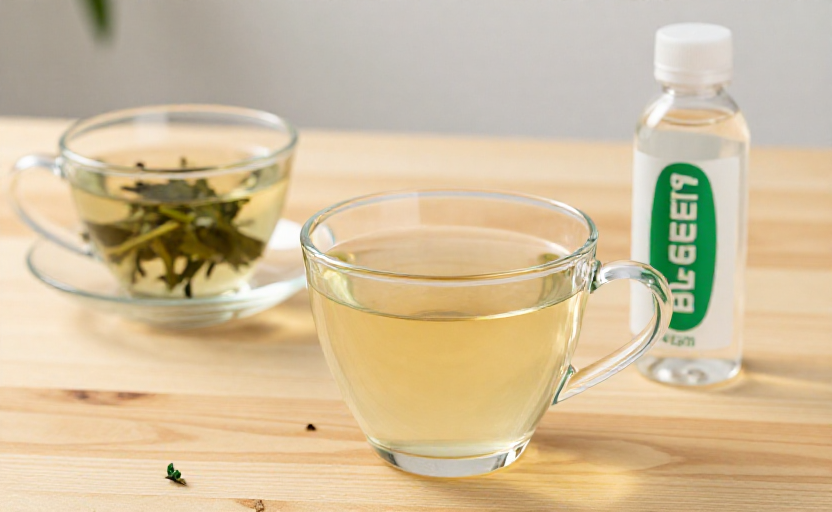
Green tea is not just for metabolism. It contains catechins—antioxidants that can reduce inflammation in the scalp and may help lower dihydrotestosterone (DHT), a hormone linked to hair thinning. For fine hair, reducing scalp inflammation is key to preventing dryness and breakage.
The best approach is to brew loose-leaf green tea and drink it without milk (milk proteins can bind to some antioxidants). Aim for one to two cups per day. If you prefer iced tea, brew a strong batch and refrigerate it—avoid bottled varieties with added sugars or syrups, as excess sugar can worsen inflammation. Some dietitians also suggest a final rinse with cooled green tea after shampooing to soothe the scalp, but the main benefit comes from drinking it.
A quick note: If you have a sensitivity to caffeine, choose a high-quality decaffeinated green tea. The antioxidant content is slightly lower but still beneficial.
3. Water with Electrolytes for Cellular Hydration
Plain water is always good, but fine hair benefits especially from electrolyte-enhanced hydration. Electrolytes—sodium, potassium, and magnesium—help water move into cells, including the skin cells on your scalp. When your scalp is properly hydrated, it produces just enough natural oil to protect hair strands without making them greasy.
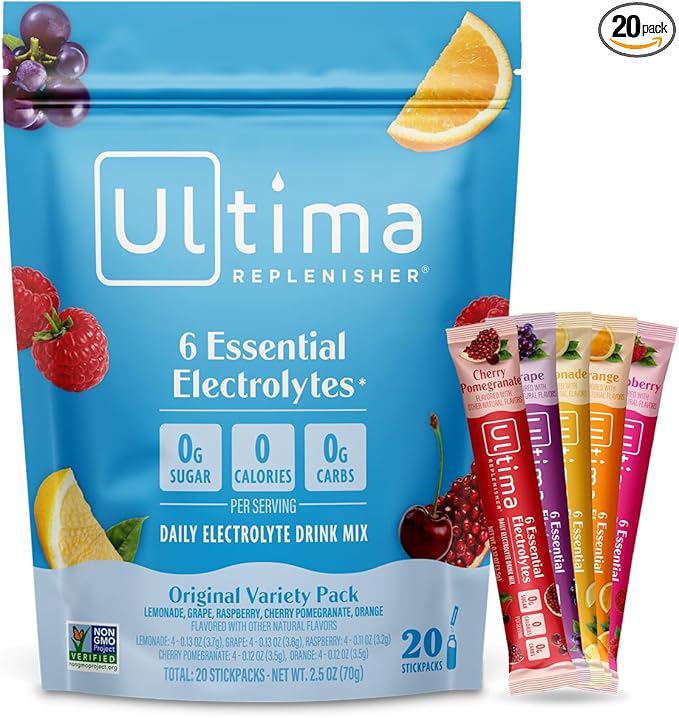
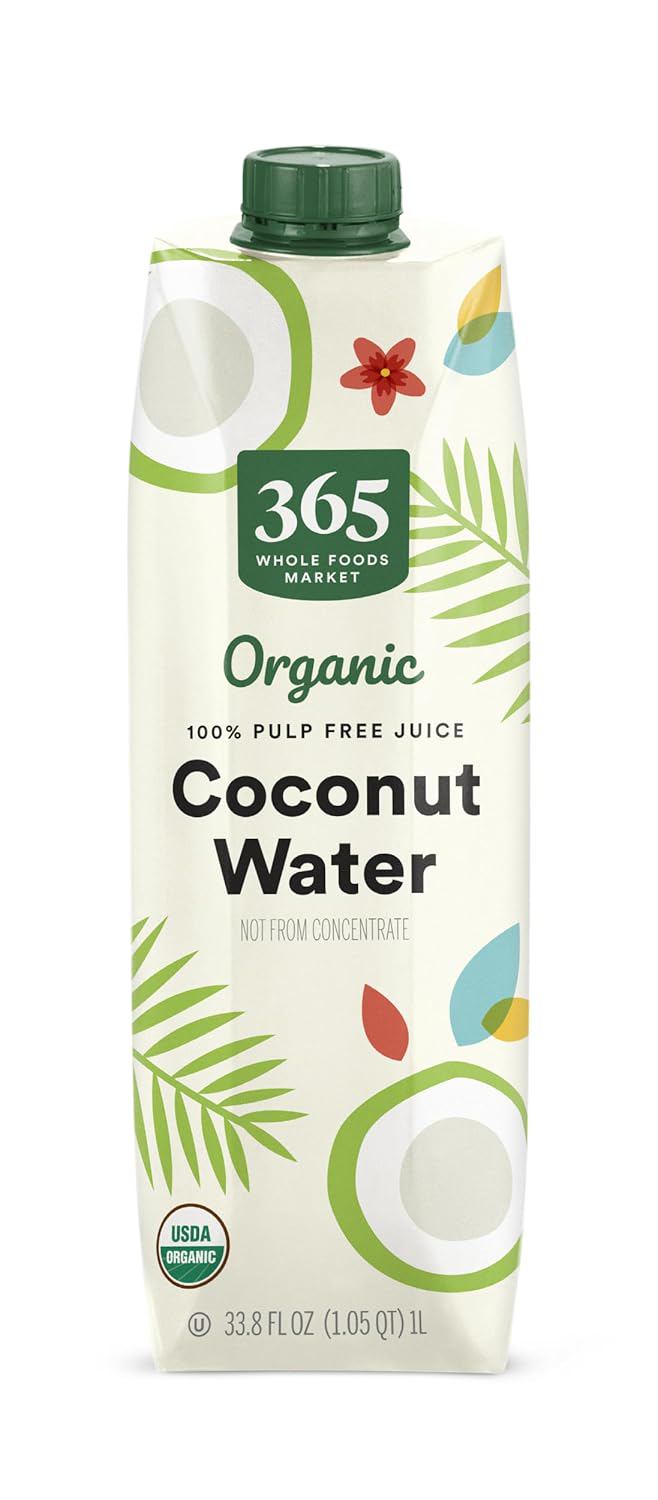
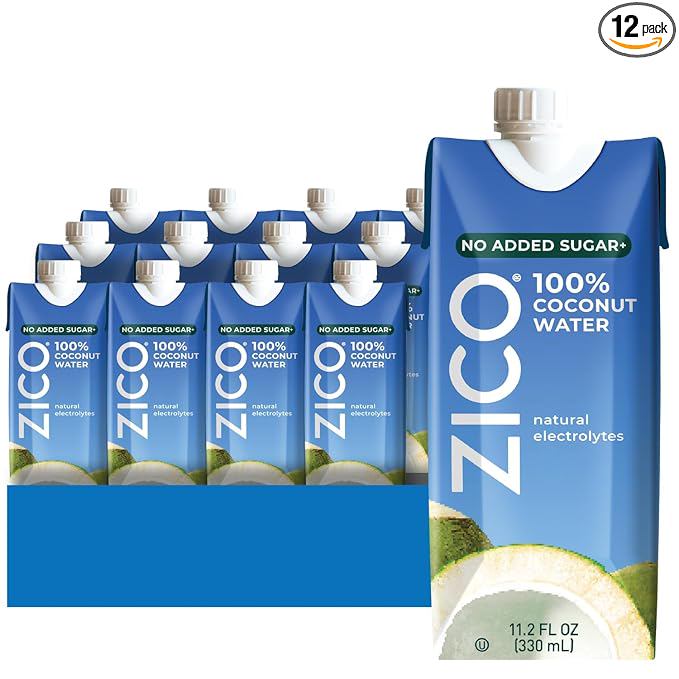
Dietitians suggest adding a pinch of high-quality sea salt and a squeeze of lemon or lime to your water bottle during workouts or long days. Alternatively, look for unsweetened electrolyte powders or tablets that contain no added sugars, artificial colors, or stimulants. Coconut water is another natural option, though check labels for added sugars. The goal is consistent, balanced hydration throughout the day—not chugging a liter at once.
How These Drinks Fit Into a Hair-Friendly Routine
These beverages are not quick fixes. They work best when paired with a gentle hair-care routine: washing fine hair with a sulfate-free shampoo two to three times per week, using a lightweight conditioner only on the ends, and protecting hair from sun and heat styling. Dietitians emphasize that internal hydration supports the skin barrier on the scalp, which in turn helps hair retain moisture and resist frizz.
One important boundary: drinks alone cannot reverse underlying medical conditions like severe dandruff, seborrheic dermatitis, or hormonal imbalances. If your scalp is persistently red, itchy, or flaky despite good hydration and care, see a dermatologist or primary care provider. For general wellness, these three beverages offer a simple, effective way to support your hair from within without adding calories or complicating your routine.