You already know that sunscreen is non-negotiable. But what if your diet could help reinforce that protection from the inside out? Three dietitian-approved foods can support your skin's natural defenses against UV damage, working alongside your sunscreen to give you an extra layer of resilience.
Your skin is your body's largest organ, and like any organ, it thrives on specific nutrients. When you feed it well, it's better equipped to handle environmental stressors—including the sun. Here's what to add to your plate.
Why food matters for sun protection
Sunscreen works by blocking or absorbing UV rays before they penetrate your skin. But no matter how diligent you are, no single layer of SPF catches everything. Some rays still reach deeper layers, where they can trigger inflammation, break down collagen, and damage DNA. This is where certain foods come in. Antioxidant-rich foods can neutralize some of that damage before it takes hold. They don't replace sunscreen, but they strengthen your body's internal repair system. Think of it as backup for your SPF.
1. Tomato products (especially cooked)
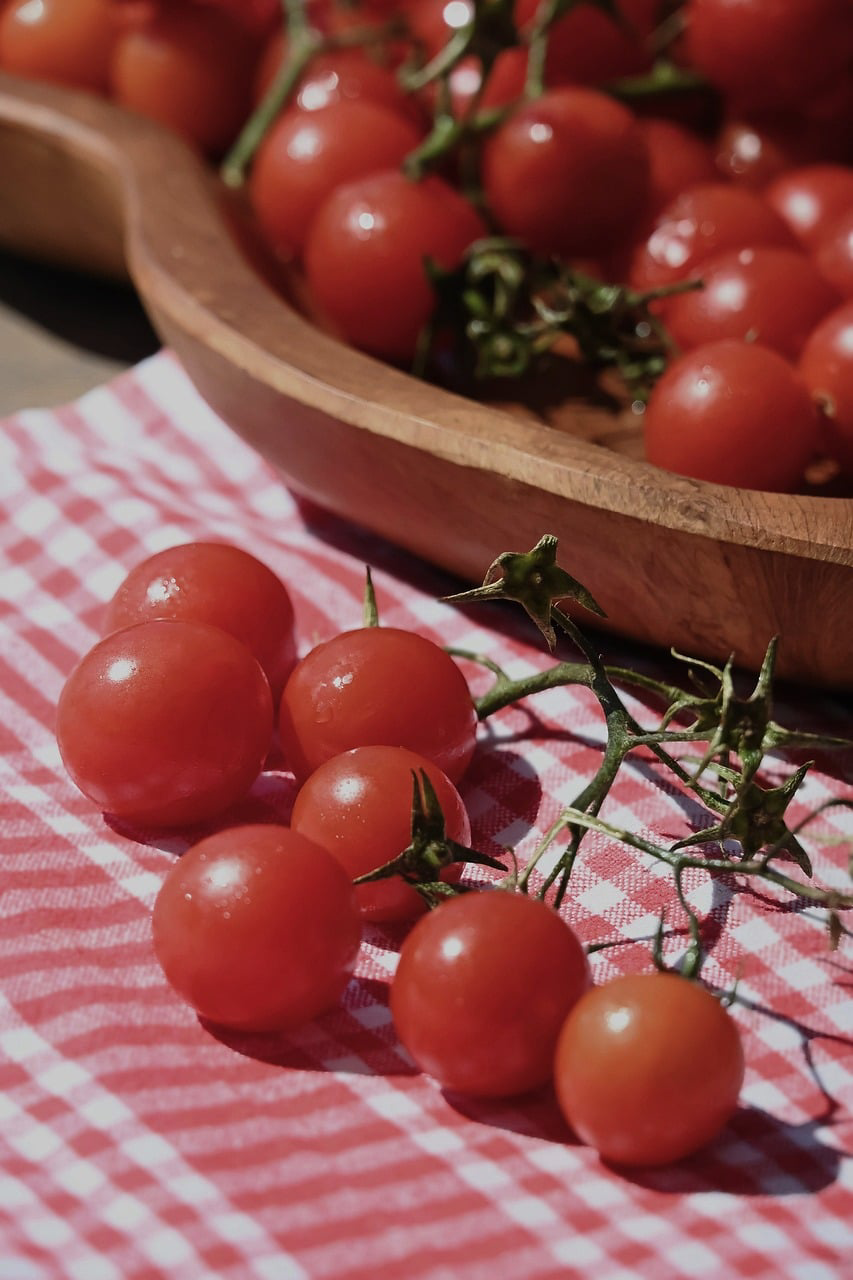
Tomatoes are a standout source of lycopene, a carotenoid that gives them their red color and acts as a powerful antioxidant. Lycopene is known to help protect skin from UV-induced damage by reducing inflammation and neutralizing free radicals. The key is that cooking tomatoes—think tomato sauce, tomato paste, or even canned tomatoes—makes the lycopene more bioavailable. Heat breaks down the cell walls, so your body can absorb more of it. One study found that people who consumed tomato paste daily for 10 weeks had significantly less skin redness after UV exposure. That's a real, measurable effect.
Try working a serving of cooked tomatoes into your daily meals. A spoonful of tomato paste in your pasta sauce, a bowl of tomato soup, or even a dollop of tomato puree on a grain bowl can make a difference over time.
2. Carrots
Carrots are packed with beta-carotene, another carotenoid that your body converts into vitamin A. Beta-carotene is a well-studied photoprotective nutrient. Regular intake can help reduce the skin's sensitivity to the sun and may even slow the signs of photoaging. A meta-analysis of several studies showed that taking beta-carotene supplements for 10 weeks or more provided measurable protection against sunburn. But whole foods like carrots are the safer, more balanced way to get that benefit.
You don't need to eat a mountain of carrots every day. One medium carrot as a snack, shredded into a salad, or roasted as a side dish gives you a solid dose. Consistency matters more than volume.
3. Green tea
Green tea is rich in polyphenols called catechins, especially epigallocatechin gallate (EGCG). These compounds have strong anti-inflammatory and antioxidant properties. Research suggests that both drinking green tea and applying it topically can reduce the damage caused by UV radiation. One study found that women who drank green tea daily for 12 weeks had fewer visible signs of sun damage, including less redness and improved skin elasticity.
Green tea works best as part of a steady habit—one cup a day is a good starting point. It's not a tan accelerator or a sunblock, but it supports your skin's ability to bounce back.
Putting it all together
Pairing these foods with your daily sunscreen routine doesn't require a complicated plan. Here are some straightforward ideas:
- Start your morning with a cup of green tea alongside your breakfast.
- Include a serving of cooked tomatoes in your lunch or dinner—sauce, soup, or stew all count.
- Keep carrot sticks on hand for a simple afternoon snack.
When you combine consistent SPF use with a diet rich in lycopene, beta-carotene, and polyphenols, you're giving your skin a broader defense. No single food is a miracle worker, but the cumulative effect of these daily choices adds up over weeks and months.
A final note: these foods support your skin's natural defenses, but they don't replace the need for sunscreen. Always wear a broad-spectrum SPF of at least 30 when you're outside, reapply as directed, and seek shade during peak UV hours. Your diet is one layer of protection—not the whole shield.