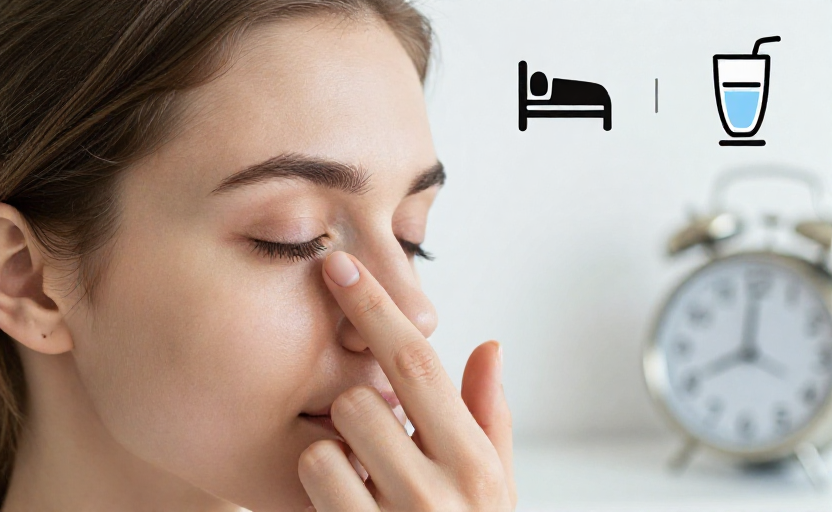
The first thing most people do when they notice dark circles is buy a new eye cream. But often, the real culprits aren't what you're putting on your skin—they're the things you do every single day without thinking. Small, repetitive habits can strain the delicate skin under your eyes, making shadows and discoloration more noticeable over time.
Understanding these triggers is the first step. The skin around your eyes is thin and fragile, which means it reacts quickly to dehydration, inflammation, and poor circulation. Here are three common daily routines that could be making your dark circles worse—and what you can do to turn things around.
1. Rubbing or tugging at your eyes
It might feel soothing when your eyes are tired or itchy, but rubbing the under-eye area is one of the fastest ways to damage the skin. The pressure and friction can break tiny blood vessels, leading to a darker, bruised appearance. Over time, the repeated stretching can also weaken collagen and elastin fibers, which can make fine lines and hollows more prominent.
What to do instead
If your eyes feel dry or irritated, try using a preservative-free lubricating eye drop rather than rubbing. For puffiness, apply a cool compress or chilled gel mask for a few minutes. When removing makeup, use a gentle cleansing balm or micellar water and pat—never drag—the product off with a soft cotton pad.
2. Sleeping in a way that traps fluid
How you sleep matters more than you might think. Sleeping on your stomach or with your face pressed into a pillow can cause fluid to pool under your eyes, leading to morning puffiness that casts a shadow. This postural issue is one of the most overlooked contributors to dark circles, especially for people who wake up with temporary bags.
What to do instead
Try sleeping on your back with an extra pillow to slightly elevate your head. This position helps fluids drain away from your face during the night. If you can't adjust your sleep position, consider a silk pillowcase—it creates less friction against the skin than cotton, which may help reduce irritation and creasing.
3. Skimping on hydration and sleep
When you're dehydrated, the skin under your eyes can look sunken and dull because it loses plumpness. Similarly, lack of sleep causes blood vessels to dilate, which can create a bluish tint beneath the thin under-eye skin. Both of these factors magnify the appearance of dark circles far more than most eye creams can counteract.
What to do instead
Prioritize seven to nine hours of consistent sleep each night. Drink water throughout the day—aim for roughly eight glasses—and limit your intake of sodium and alcohol, both of which can worsen puffiness and dehydration. Adding foods rich in vitamin C, like citrus fruits and bell peppers, can also support collagen production around the eyes.
A quick note on expectations: Some dark circles are caused by genetics or natural aging, meaning no habit change will erase them completely. But addressing these daily patterns can make a real, visible difference in how rested and bright your eyes look—without relying on expensive creams or treatments.
Instead of reaching for a concealer every morning, take a moment to examine your daily routines. By swapping out just a few of these habits, you can help keep the under-eye area healthier, less puffy, and more even-toned over time.