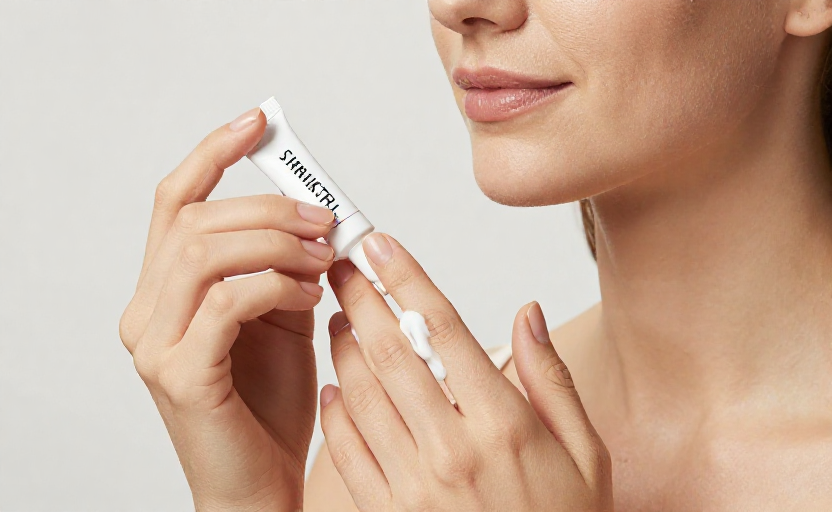
Retinoids are a dermatologist favorite for good reason — they speed cell turnover, smooth fine lines, and help clear acne. But anyone who has used one knows the trade-off: redness, peeling, stinging, and that dreaded “retinoid purge.” What many don’t realize is that three simple daily habits can dial those side effects up significantly. The good news? Each one is easy to fix once you know what’s going wrong.
Using a Harsh Face Wash in the Morning
It feels logical: if you’re waking up with flaky, irritated skin, you want to wash away the debris. But reaching for a foaming cleanser or anything labeled “oil control” can strip the skin barrier that your retinoid is already working hard to remodel.
Retinoids increase cell turnover, which makes the outer layer of your skin thinner and more delicate. That means surfactants — the ingredients that make soap foam — can penetrate deeper and cause more irritation. A face wash that felt gentle before retinoids might suddenly sting or leave your face tight and angry.
What to do instead: Swap your morning cleanse for a splash of lukewarm water, or use a milky, non-foaming cleanser with ceramides or glycerin. Save your active cleansers (those with salicylic acid or benzoyl peroxide) for the morning only if your skin is fully acclimated — and even then, use them sparingly. The goal is to hydrate and soothe, not to strip.
Layering Potent Actives Right Before Retinoids
It’s tempting to get results fast. But when you apply a vitamin C serum, exfoliating acid, or benzoyl peroxide in the same routine as your retinoid, you’re stacking stressors on skin that is already turning over at an accelerated rate. The combined irritation can cause more redness and peeling than either product alone — and it can compromise the skin barrier over weeks, not months.
What to do instead: Retinoids should be the only active in their routine. Keep vitamin C for the morning. Save exfoliating acids for a separate night, or skip them entirely while your skin adjusts. If you must use benzoyl peroxide — say, for active acne — apply it in the morning and leave at least 12 hours between it and your retinoid. The simplest routine is the most effective: cleanse, moisturize, wait 20 minutes, then retinoid. That buffer of moisturizer and time can dramatically reduce irritation.
Skipping Moisturizer (or Using the Wrong One)
Many retinoid users think moisturizer will “dilute” the effects, so they apply the retinoid directly onto clean, bare skin. In reality, that’s the fastest route to a damaged moisture barrier. Retinoids increase transepidermal water loss — meaning your skin loses water more quickly — so failing to lock in hydration creates a cycle of dryness, peeling, and sensitivity that makes the side effects far worse than they need to be.
The wrong moisturizer can also be a problem. Heavy creams with petrolatum can trap heat and increase irritation in some people. Fragrance, essential oils, and drying alcohols are common in “lightweight” lotions and can sting damaged skin.
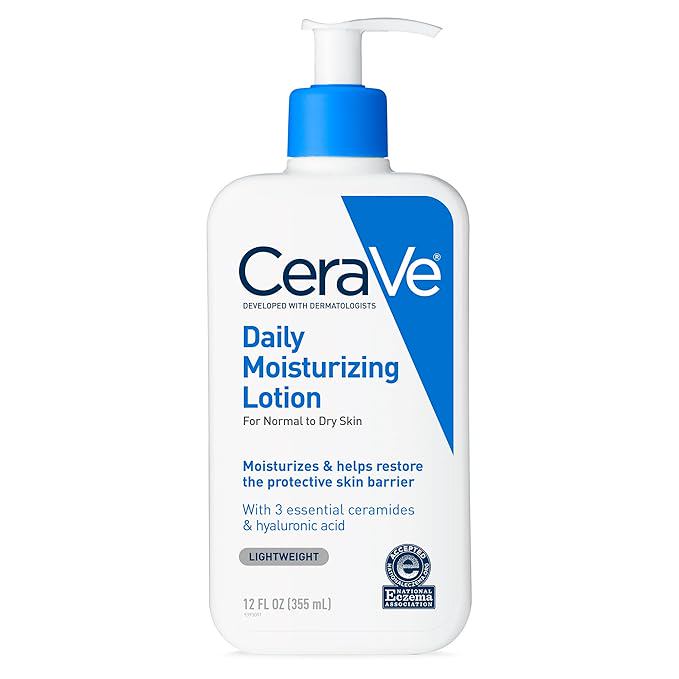
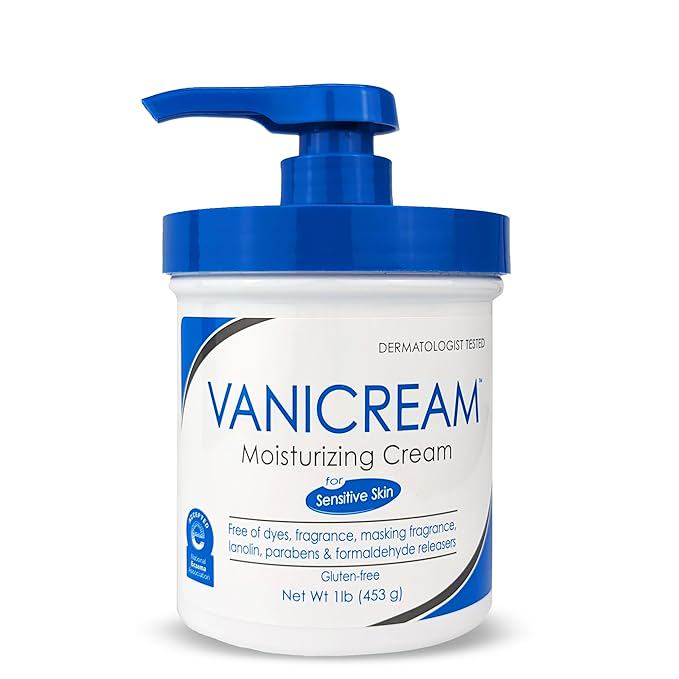
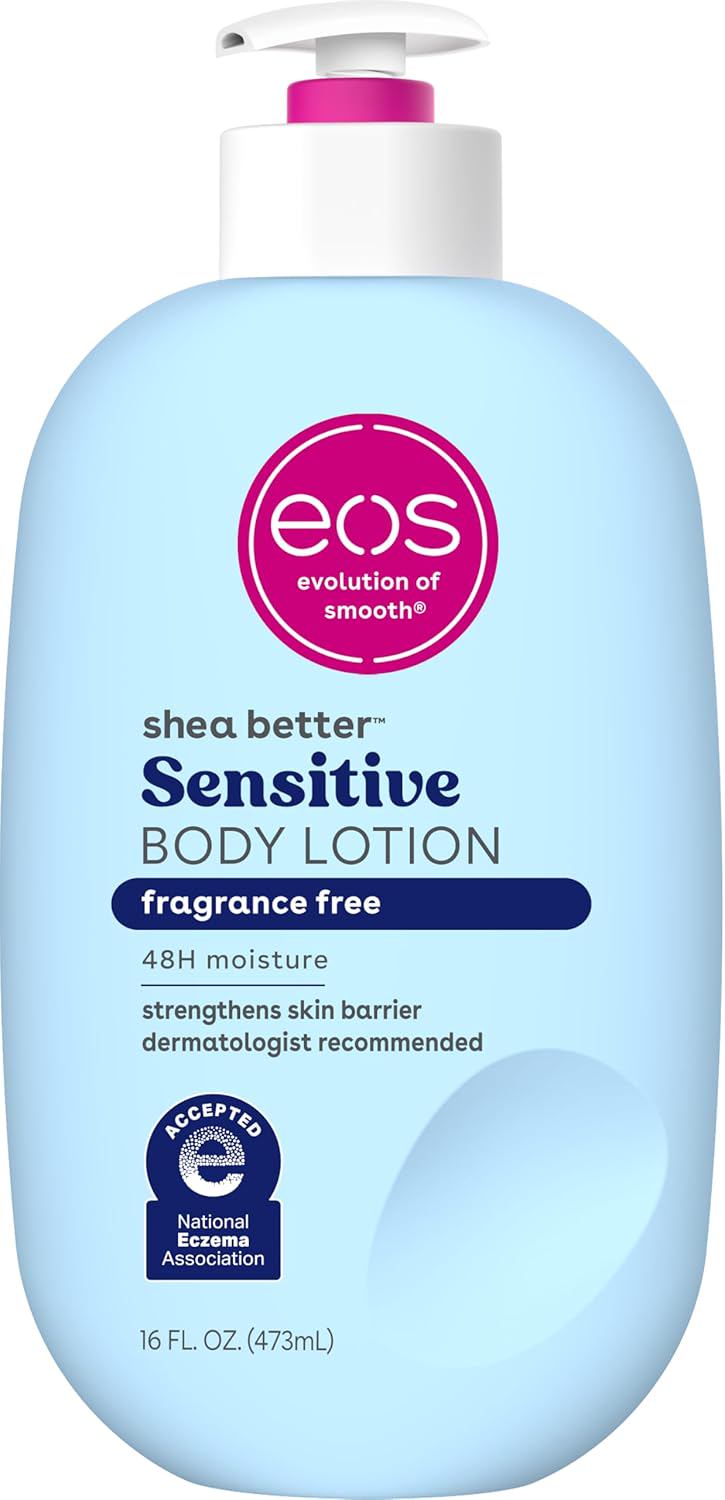
What to do instead: Layer a fragrance-free moisturizer under your retinoid at night — this is called the “sandwich method.” In the morning, follow your water rinse with a moisturizer that contains ceramides, niacinamide, or squalane. These ingredients support barrier repair and help calm inflammation. If your skin is still peeling after two weeks, consider buffering with moisturizer both before and after the retinoid. A simple, well-formulated moisturizer can cut side effects in half while preserving results.
The most important step in any retinoid journey is patience. Giving your skin time to adjust — usually four to six weeks — and dialing back these three habits can turn a miserable introduction into a long-term success story. When in doubt, simplify. Your skin will thank you.