The anagen phase is the active growing stage of your hair cycle, and when it's working well, you see visible length and strength. But certain everyday habits can quietly shorten or disrupt this phase, leading to slower growth, increased shedding, and hair that never seems to get past a certain length. Understanding what might be getting in the way is the first step toward longer, healthier hair.
Below, we look at three common mistakes that can slow down the anagen phase—and what to do instead to support your hair's natural growth rhythm.
1. Overlooking Scalp Health and Circulation
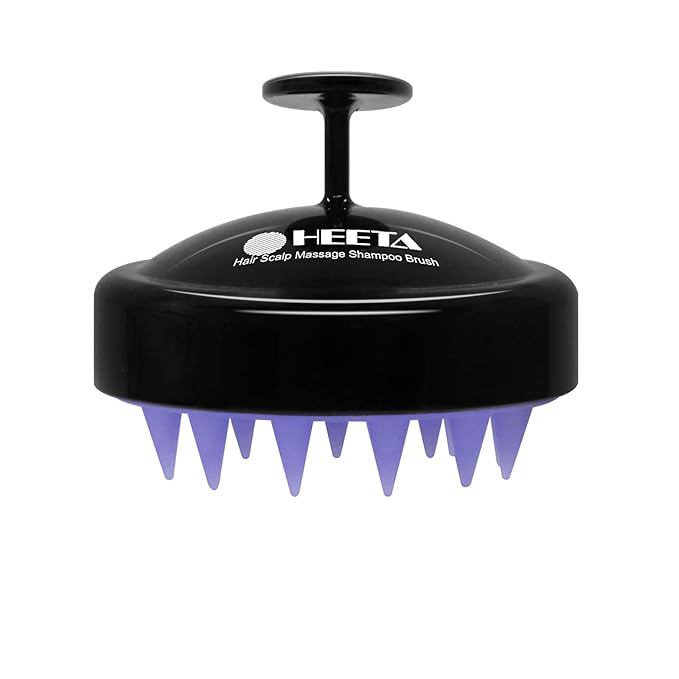
The health of your hair starts at the scalp. If the skin on your head is inflamed, clogged, or poorly circulated, hair follicles can struggle to stay in the anagen phase. Many people focus only on the strands themselves and neglect the environment where growth begins.
Common culprits include:
- Product buildup from heavy oils, dry shampoos, and styling products that block follicles.
- Infrequent washing for certain hair types, which can allow sebum and dead skin to accumulate.
- Tight hairstyles that pull on the scalp and reduce blood flow to follicles.
A clean, well-cared-for scalp gives your hair the best chance at a long anagen phase. Gentle exfoliation, regular cleansing suited to your hair type, and avoiding constant tension on the roots can all help maintain a healthy growing environment.
2. Poor Nutrition and Crash Dieting
Hair is one of the fastest-growing tissues in the body, but it's not a priority for your system when nutrients are scarce. Restrictive diets, skipping meals, or eating too little protein can signal the body to shift hair follicles out of the anagen phase and into resting or shedding phases prematurely.
The anagen phase requires a steady supply of:
- Protein (hair is made of keratin).
- Iron (low iron is linked to hair loss).
- Zinc, vitamin D, and B vitamins for cell division and follicle function.
Crash diets and rapid weight loss are especially hard on hair growth. If your hair seems to be growing slowly or thinning, take a look at your overall dietary patterns rather than reaching for a single supplement. Consistency in eating enough nutrient-dense food matters more than any one ingredient.
3. Overusing Heat, Harsh Chemicals, and Tight Styling
Physical and chemical stress on the hair shaft and follicle can disrupt the anagen phase. When the hair itself is damaged, it may break off before it has a chance to grow long, and repeated trauma to the follicle can shorten its active growth window.
The most common offenders include:
- Heat styling at high temperatures without protection, which weakens hair and can inflame the scalp.
- Harsh chemical treatments (bleach, relaxers, perms) applied too frequently.
- Constant tight ponytails, braids, or extensions causing traction on the follicle.
Giving your hair regular breaks from these stressors can protect the anagen phase. When you do use heat, keep temperatures moderate and always use a protectant. For styling, opt for looser methods that don't pull at the roots.
A simple week-long break from heated tools and tension styles can make a noticeable difference in how your hair feels at the roots.
Supporting Your Hair's Growth Cycle
Even if you've been making one or more of these mistakes, the good news is that the anagen phase can often be supported back to a normal cycle with consistent changes. Focus on scalp care, balanced nutrition, and gentle handling—your hair responds to what you do over weeks and months, not overnight.
If you suspect an underlying medical issue (like a thyroid condition or severe deficiency), a healthcare provider can help identify the root cause. For most people, avoiding these three common pitfalls is enough to help hair stay in its growing phase longer.