
Diabetic retinopathy is one of those complications that can feel frighteningly out of your control. Tiny blood vessels in the retina begin to leak, swell, or close off, and the damage can progress even when you're doing your best to manage diabetes. But here's the thing most people don't realize: a few everyday habits and oversights can quietly accelerate that damage. Recognizing these common pitfalls—and knowing how to correct them—can make a real difference in preserving your vision.
Below are three mistakes that frequently worsen diabetic retinopathy, along with practical, doctor-backed steps you can take to protect your eyesight.
1. Letting Blood Sugar Swing Wildly (Not Just Running High)
It's tempting to think that as long as your A1C isn't dangerously high, your eyes are safe. But retinopathy is more sensitive to volatility than many people realize. Sharp spikes in blood glucose—say after a carby meal you didn't bolus for, or a skipped medication dose—cause the retinal vessels to undergo sudden osmotic stress. That stress can trigger leakage and swelling (macular edema), even if your average numbers look okay.
Hypoglycemia (low blood sugar) also has a role. It reduces oxygen delivery to the retina, and in advanced retinopathy, this can worsen areas of ischemia (lack of blood supply) and stimulate the release of VEGF, a growth factor that drives abnormal new vessel growth.
What to do instead
Rather than aiming only for a target A1C, shift your focus to time-in-range. A continuous glucose monitor (CGM) is ideal for this, but if you don't have one, try checking your blood sugar before and two hours after meals. The goal is to minimize rapid rises and falls, keeping glucose between roughly 70–180 mg/dL as much as possible. Stabilizing your glucose is more protective for your eyes than a perfect quarterly lab result.
2. Skipping Annual (or More Frequent) Dilated Eye Exams
This mistake is especially common among people who feel fine. If your vision hasn't changed, you might think you can push the annual eye exam to next year. But diabetic retinopathy can progress significantly in the early stages—Stage 1 (mild nonproliferative) and Stage 2 (moderate nonproliferative)—without any visual symptoms. By the time you notice blurry spots, floaters, or vision loss, the disease may have already entered the more dangerous proliferative stage.
“I see patients who were diagnosed with diabetic retinopathy five years ago and didn't come back for follow-up because they ‘could still see fine.’ When they return with vision loss, the damage is often irreversible,” says Dr. Emily Tran, a retina specialist.
Compounding the problem: modern screening tools, like ultrawide-field retinal photography and OCT (optical coherence tomography), can detect subtle changes that a basic eye chart cannot. Skipping exams means missing the window for preventive treatments (panretinal photocoagulation, anti-VEGF injections) when they're most effective.
What to do instead
Schedule a dilated eye exam at least once a year if you have any level of retinopathy. If you have advanced or proliferative retinopathy, your retina specialist may recommend exams every 3–6 months. Put the appointment on your calendar the same week every year, and do not cancel it. Also, make sure the exam includes dilation—not just the retinal photo some optometrists offer as a quick alternative.
3. Neglecting Blood Pressure and Cholesterol Control
It's easy to focus on blood sugar and forget that diabetes affects all your blood vessels. High blood pressure (hypertension) puts extra mechanical stress on the already weakened retinal capillaries. Each spike in systolic pressure can force fluid out of the vessels into the retinal tissue, worsening macular edema. Elevated LDL cholesterol, meanwhile, can lead to the formation of hard exudates—lipid deposits that accumulate in the retina and further impair vision.
Research from the Diabetic Retinopathy Clinical Research Network found that tight blood pressure control (systolic below 130 mmHg) significantly slowed the progression of retinopathy in some patients. Even moderate reduction in BP can reduce the need for laser or injection treatments.
What to do instead
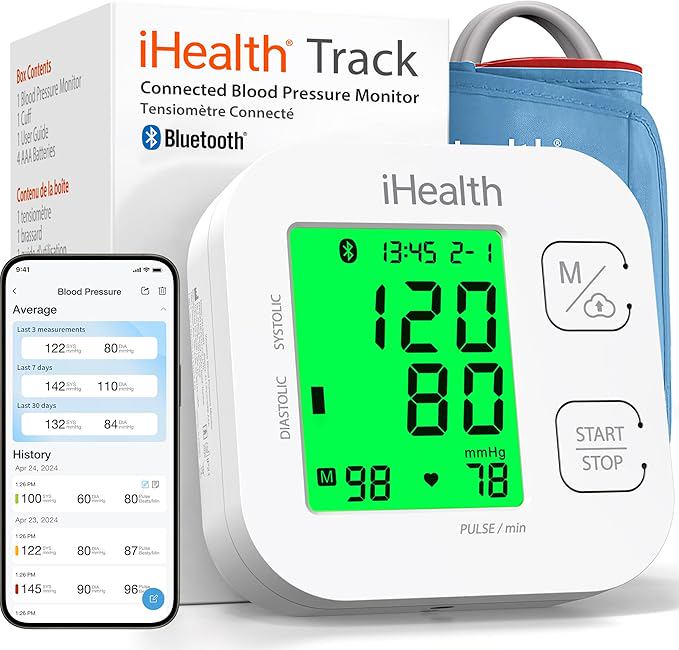
- Check your blood pressure at home a few times a week, aiming for <130/80 mmHg. If it's consistently high, talk to your doctor about adding or adjusting medication (such as ACE inhibitors, ARBs, or diuretics).
- Get a yearly lipid panel. If your LDL is above 100 mg/dL (or above 70 mg/dL if you have heart disease), a statin may be appropriate—not just for your heart, but for your eyes as well.
- Reduce sodium intake: processed foods, takeout, and restaurant meals are the biggest sources. Aim for less than 2,300 mg per day (about 1 teaspoon of salt).
Diabetic retinopathy is not a passive disease—it responds to your daily choices. Avoid these three mistakes, and you give yourself a real chance at keeping your vision clear for years to come. As always, pair these strategies with the guidance of your endocrinologist and retina specialist, because your situation may need more tailored adjustments.