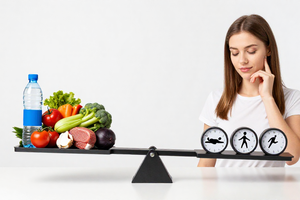

Losing weight often feels like a victory, but what if the scale drops and your strength goes with it? Many people assume that any weight loss is good weight loss. In reality, a significant portion of the pounds lost during a calorie deficit can come from muscle tissue, not just fat. Preserving lean mass is critical for metabolic health, bone density, and long-term weight maintenance. The difference between a healthy transformation and a disappointing one often comes down to three common mistakes.
Cutting Calories Too Aggressively
The most effective way to trigger muscle loss is to starve it. When you slash your calorie intake far below what your body needs, you force it into a survival state. In this state, the body begins to break down muscle protein for energy. This is especially true if your protein intake is low. A moderate calorie deficit—usually 300 to 500 calories below maintenance—paired with adequate protein (around 1.6 to 2.2 grams per kilogram of body weight) signals the body to burn fat while sparing muscle. Crash diets might drop the scale fast, but much of that loss is lean tissue, which lowers your resting metabolic rate and makes future weight gain more likely.
Neglecting Resistance Training
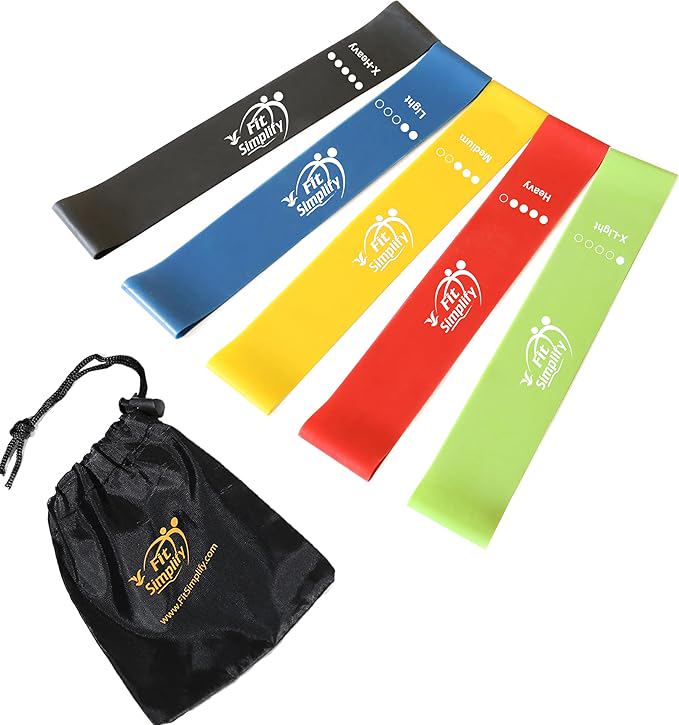
Cardio alone is rarely enough to preserve muscle. Walking, cycling, and jogging are excellent for cardiovascular health and calorie burning, but they provide little stimulus for muscle retention. The body adapts to what you demand of it. When you lift weights or perform bodyweight resistance exercises (squats, push-ups, rows), you send a mechanical signal to your muscles: "We still need you." Without this stimulus during a calorie deficit, the body doesn't see the point in keeping energy-hungry muscle tissue. Strength training at least two to three times per week is the single most effective strategy for holding onto lean mass while losing fat.
Ignoring Protein Distribution and Sleep
Eating plenty of protein at just one meal isn't enough. The body builds and repairs muscle throughout the day, and it does this most efficiently when you distribute protein evenly across three to four meals. A small breakfast with 10 grams of protein and a large dinner with 60 grams is less effective for muscle protein synthesis than three meals each providing 30 to 40 grams. Coupled with that is sleep. When you are sleep-deprived, cortisol levels rise, and this stress hormone encourages the breakdown of muscle tissue. Cutting corners on recovery is a fast track to losing the muscle you're working so hard to keep.
Preserving muscle during weight loss isn't about extreme measures. It's about consistency with calories, resistance training, and rest.
If you are losing weight for health reasons, your focus should be on body composition, not just pounds. The markers of success should be how your clothes fit, how your strength feels in the gym, and your energy levels throughout the day—not solely the number on the scale. By avoiding these three pitfalls, you can shed fat while maintaining the metabolically active muscle that keeps you strong and resilient.