
Living with diabetic neuropathy often feels like navigating a minefield. You're trying to protect your feet, manage pain, and keep your blood sugar steady — all at once. It's exhausting, and it's easy to pick up habits that seem helpful but actually set you back.
After years of working with people who manage this condition, I've noticed three patterns that come up again and again. These aren't deliberate errors. They're well-intentioned moves that backfire. Here's what to watch for, and what to try instead.
Mistake #1: Going barefoot to "let your feet breathe"
It sounds logical: if your feet tingle or feel tight inside shoes, maybe the answer is to kick them off and go barefoot around the house. Many people with neuropathy do this because shoes feel restrictive or irritating against sensitive skin.
The problem is that neuropathy blunts pain signals. You can step on a small tack, a splinter, or a piece of gravel and not feel it. A minor cut can go unnoticed for days, turning into a serious infection before you realize anything is wrong. The American Diabetes Association notes that foot ulcers precede about 85% of diabetes-related amputations — and most of those ulcers start from unnoticed minor injuries.
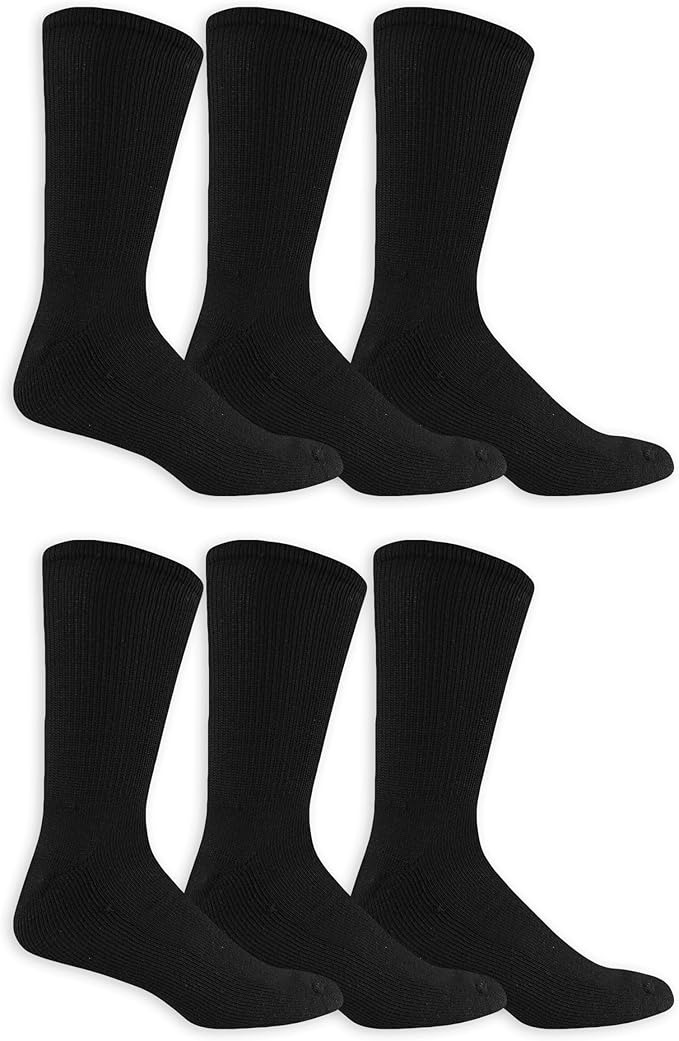
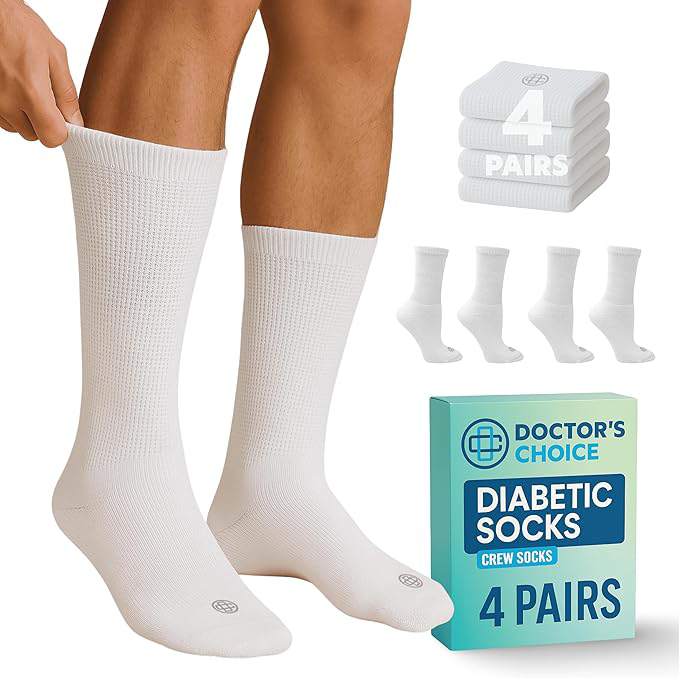
A better approach: Wear well-cushioned, seamless socks and properly fitted diabetic-friendly shoes indoors and out. Look for extra depth and a soft, non-irritating interior. Check your feet visually every single day, using a mirror if needed.
Mistake #2: Relying only on medication and ignoring lifestyle levers
When the pain or numbness flares, it's natural to reach for prescribed medications or over-the-counter creams. These can be helpful, but they work best as part of a broader strategy — not as the whole plan.
Research consistently shows that blood sugar control is the single most powerful intervention for slowing neuropathy progression. A 2022 review in Current Diabetes Reports emphasized that intensive glucose management can reduce the risk of developing clinical neuropathy by about 60% in people with type 1 diabetes, and significantly slow progression in type 2.
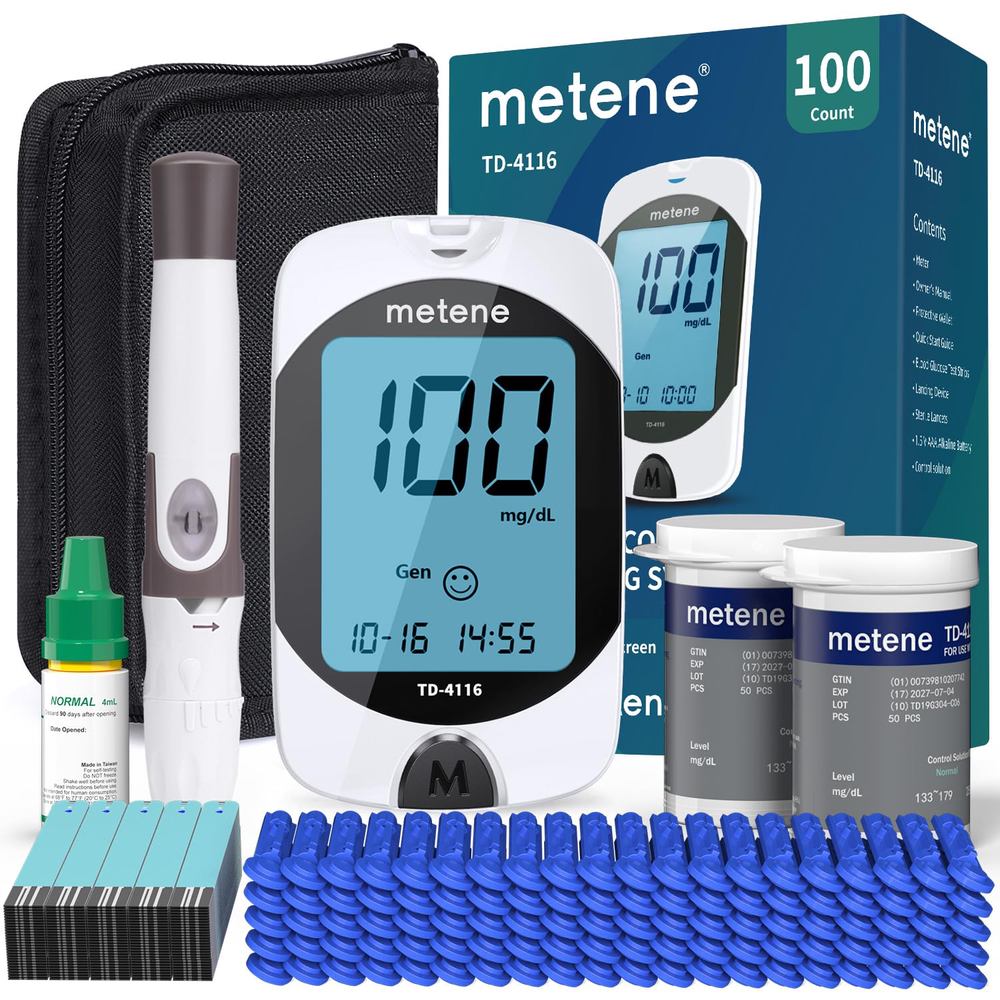
Yet many people focus exclusively on symptom relief — meds for nerve pain, lotions for burning — while their A1C stays higher than recommended. The pain medication might mask the signal, but the underlying nerve damage continues.
What actually moves the needle
- Target blood sugar stability: Not just lower numbers, but fewer dramatic spikes and crashes. Consistent daily patterns matter more than occasional perfect readings.
- Daily movement: Even 15 minutes of walking (if your feet allow it) improves circulation and glucose uptake. If walking is painful, seated exercises like leg lifts and ankle pumps still help.
- Sleep and stress management: Poor sleep and chronic stress raise cortisol, which raises blood sugar. It's a direct line from a bad night's sleep to worse neuropathy symptoms the next day.
Mistake #3: Mistaking "no pain" for "no problem"
Neuropathy is strange. Some people have unbearable burning, while others have total numbness. If you're in the numbness camp, it's dangerously easy to think, "Well, I can't feel anything, so my feet must be fine."
This is the most deceptive trap. In fact, numbness is often a sign of more advanced nerve damage. The absence of pain means your body's early-warning system is broken. Calluses can build up silently, forming pressure points that break down into ulcers. Your gait changes because you can't feel the ground properly, shifting pressure to new spots and creating new problems.
I've seen people with beautifully numb feet — no pain at all — walk into the clinic with a deep ulcer that's been brewing for two weeks. They had no idea.
What to do instead
- Perform a daily foot inspection without fail. Use a mirror for the soles.
- Have a podiatrist trim your nails and check for calluses at least every 8-12 weeks.
- Keep a simple log: once a week, note the temperature and color of both feet. Any persistent change in color or swelling warrants a same-day call to your care team.
The common thread through all three mistakes is the same: neuropathy is a condition where your body's signals are unreliable. You can't trust what you feel — or don't feel. That means you have to rely on consistent habits and objective checks instead of gut feelings.
Small shifts in your daily routine — choosing slippers over bare feet, pairing meds with blood sugar management, and inspecting feet even when they feel fine — can dramatically change your outcome over the long term. It isn't about being perfect. It's about building a few reliable guardrails that keep you safe when your nerves can't do that job anymore.
Your feet are your foundation. Nerves can regenerate slowly, but they need the right conditions. Every day that you prevent a new injury is a day your body gets to heal rather than repair damage. That's the real win.