Scalp massages feel wonderful and are often promoted as a simple way to boost hair health. However, for those with curly hair—especially when itchiness is an issue—a few common missteps can turn a relaxing routine into a source of irritation. This article covers three frequent mistakes that can aggravate an itchy scalp in curly hair, plus gentler alternatives to keep your scalp calm and your curls happy.
1. Using Too Much Pressure or Scrubbing with Nails
When we think of a good scalp massage, the instinct is often to dig in with the fingertips or even the nails to release tension. For curly hair, this can backfire. Aggressive rubbing or scratching can create micro-tears on the scalp's surface, worsening itchiness and potentially leading to inflammation. The scalp is delicate, and applying too much force can also disturb the natural oil barrier, leaving it drier and more reactive.
The better approach: Use the pads of your fingertips, not the nails. Apply light, circular pressure—just enough to feel a gentle movement of the skin beneath the hair. Focus on small, slow circles rather than vigorous back-and-forth scrubbing. If you feel any stinging or discomfort, you're pressing too hard. Think of it as a calming touch, not a deep-tissue treatment.
2. Massaging with Heavy Oils or Irritating Products
Another common mistake is reaching for heavy oils like coconut or almond oil during a scalp massage—while they are deeply moisturizing for the hair shaft, they can be problematic for the scalp itself. Thick oils can clog hair follicles, trap dirt and product buildup, and feed yeast or bacteria that thrive in oily environments. For an already itchy scalp, this often makes symptoms worse. Scented oils with essential oils (like peppermint or tea tree) can also cause irritation if used undiluted or if the scalp is sensitive.
The better approach: If you want to use an oil, choose a lightweight, non-comedogenic option such as jojoba oil or grapeseed oil. Apply only a few drops to your fingertips and massage into the scalp, then wash thoroughly with a gentle shampoo. Alternatively, you can massage a dry scalp with clean hands, focusing on the technique itself rather than relying on products. Avoid oils with strong fragrances or essential oils unless you've tested them on a small patch of skin first.
3. Over-Manipulating the Scalp (Too Long or Too Often)
With good intentions, some people massage their scalp multiple times a day for 10–15 minutes each session. While moderate stimulation can improve circulation, excessive manipulation can irritate sensitive curls and worsen itchiness. Over-massaging can stimulate oil glands to produce too much sebum, leading to a greasy, itchy scalp. In curly hair, this also increases the risk of tangling and breakage near the roots, as the hair is already prone to dryness and fragility.
The better approach: Limit scalp massage to 2–5 minutes per session. Once a day is plenty for most people. Listen to your scalp: if it feels more irritated or itchy after massaging, reduce the frequency or duration. Gentle, brief stimulation is more effective than long, heavy sessions for calming itchiness.
Additional Tips for an Itchy Curly Scalp
Beyond these mistakes, here are a few general practices to keep your scalp comfortable and your curls healthy:
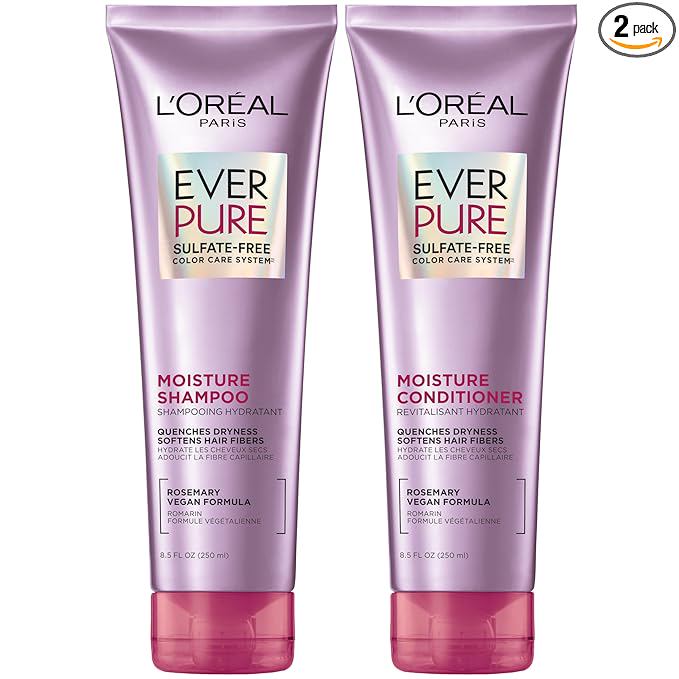
- Wash your scalp, not just your hair: Curly hair can get dry, but the scalp still needs regular cleansing to remove sweat, oil, and product buildup. Use a gentle, sulfate-free shampoo specifically designed for sensitive or itchy scalps.
- Rinse thoroughly: Shampoo and conditioner residues can cling to curly hair and irritate the scalp. Rinse with warm (not hot) water, and consider a final cool rinse to soothe inflammation.
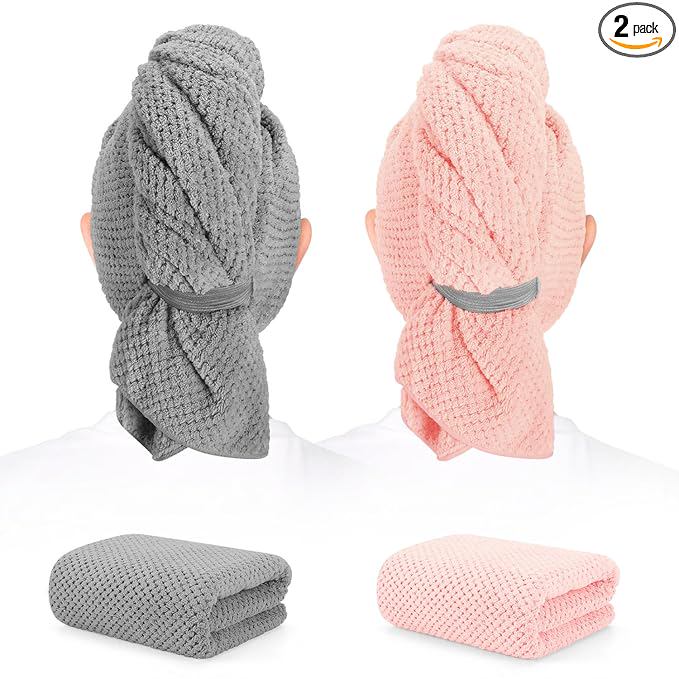
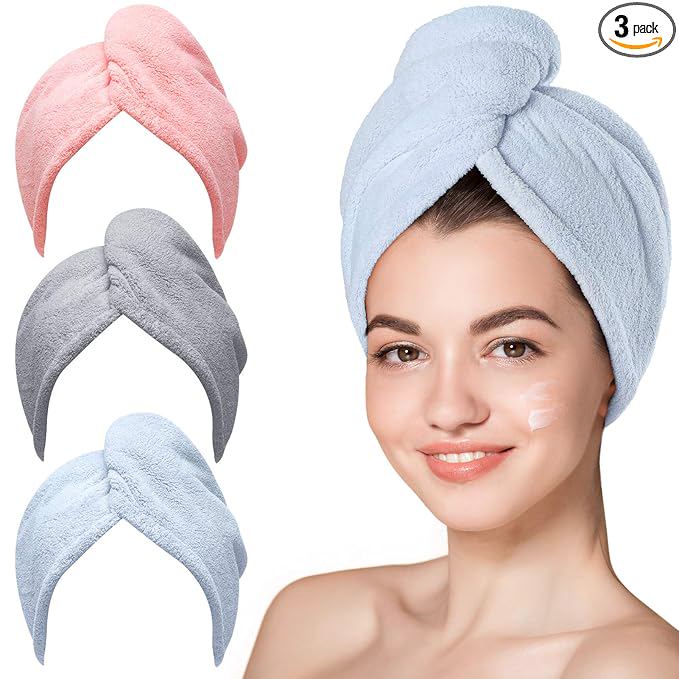
- Keep your scalp dry: After washing, gently blot your hair with a microfiber towel or cotton T-shirt. Avoid leaving your hair wet for hours—a damp scalp can encourage fungal growth and worsen itchiness.
- Watch for triggers: Common allergens like certain hair products, synthetic fragrances, or even your pillowcase fabric can contribute to scalp irritation. Try switching to a satin or silk pillowcase and using fragrance-free products for a few weeks to see if symptoms improve.
If scalp itchiness persists despite adjusting your massage technique and product choices, it's worth consulting a dermatologist or a trichologist to rule out conditions like seborrheic dermatitis, psoriasis, or eczema. A medical professional can provide personalized advice and treatment options.