
Diabetic foot ulcers are one of the most serious complications of diabetes, and they often develop silently, without obvious pain. For anyone living with diabetes, understanding the specific triggers that lead to these wounds is essential for staying ahead of them. Once you know the main causes, you can take practical steps to keep your feet healthy and avoid the cascade of problems that can follow an ulcer.
Cause #1: Peripheral neuropathy — when you can’t feel the damage
The most common culprit behind diabetic foot ulcers is a condition called peripheral neuropathy. High blood sugar over time damages the nerves in your feet and legs, which dulls sensation. This means you can develop a blister, a cut, or even a stress fracture from walking, and never feel a thing.
Without the normal pain signals, a small injury can worsen quickly. A rock in your shoe, a hot sidewalk, or a rough seam inside a sock all become invisible threats. The injury goes unnoticed for days or weeks, and by the time you see discoloration or swelling, the tissue is already breaking down.
What you can do
Check your feet every single day — look for redness, blisters, calluses, cracks, or any change in skin color. Use a hand mirror to examine the soles and between your toes. If you can’t do it yourself, ask a family member or caregiver to help. The earlier you spot a problem, the better your chance of treating it before it becomes an ulcer.
Cause #2: Peripheral artery disease — poor blood flow stalls healing
The second major cause is peripheral artery disease (PAD), a condition where plaque builds up in the arteries, reducing blood flow to the legs and feet. Even a small wound becomes dangerous when circulation is poor, because the body can’t deliver oxygen and nutrients needed for repair. White blood cells also have a harder time reaching the area to fight infection.
People with diabetes are two to four times more likely to develop PAD than the general population. The combination of neuropathy and PAD is especially risky: you don’t feel the injury, and a slow-healing wound turns into a chronic ulcer. Signs of PAD include leg cramps during walking that ease with rest, shiny skin on the legs, and weak pulses in the feet.
What you can do
Work with your healthcare provider to manage your blood pressure and cholesterol. If you smoke, quitting is the single most effective step for improving circulation in your legs. Ask your doctor about checking your ankle-brachial index (ABI), a simple test that compares blood pressure in your ankle and arm to spot PAD early.
Cause #3: Foot deformities and abnormal pressure points
Diabetes can change the structure of your feet over time. High blood sugar weakens the ligaments and tendons, leading to conditions like hammer toe, claw toe, or Charcot foot — a deformity that causes the arch to collapse. These changes create new pressure points where the foot rubs against shoes or bears weight unevenly.
Calluses often form over these high-pressure areas, and underneath a thick callus, an ulcer may develop without any visible surface wound. This is why simply stepping on a sharp object isn’t the only way to get a foot ulcer — mechanical stress from normal walking, on a foot that has lost its natural padding, is equally dangerous.
What you can do
Visit a podiatrist regularly for professional nail care and callus reduction. Do not trim calluses yourself or use medicated callus removers, as these can damage the skin. Wear properly fitted shoes with a wide toe box and soft, breathable materials. Avoid walking barefoot even at home, and always shake out your shoes before putting them on.
How to prevent diabetic foot ulcers in daily life
Prevention is a daily routine, not a one-time checklist. Beyond the specific steps for each cause above, these habits build a strong foundation:
- Manage your blood sugar levels. Consistent control reduces nerve damage and supports circulation and healing over the long term.
- Keep your skin clean and moisturized. Dry, cracked skin invites bacteria. Apply a fragrance-free lotion to the tops and bottoms of your feet — but not between your toes, where moisture can cause fungal infections.
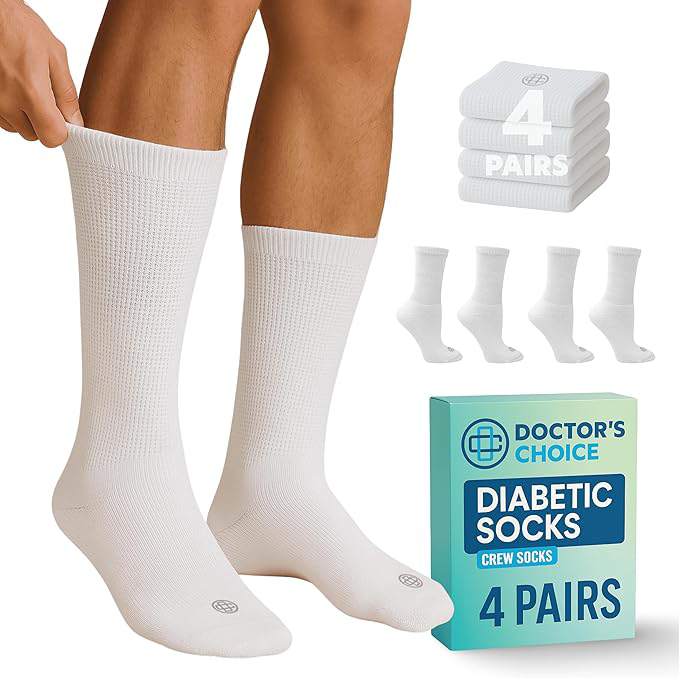
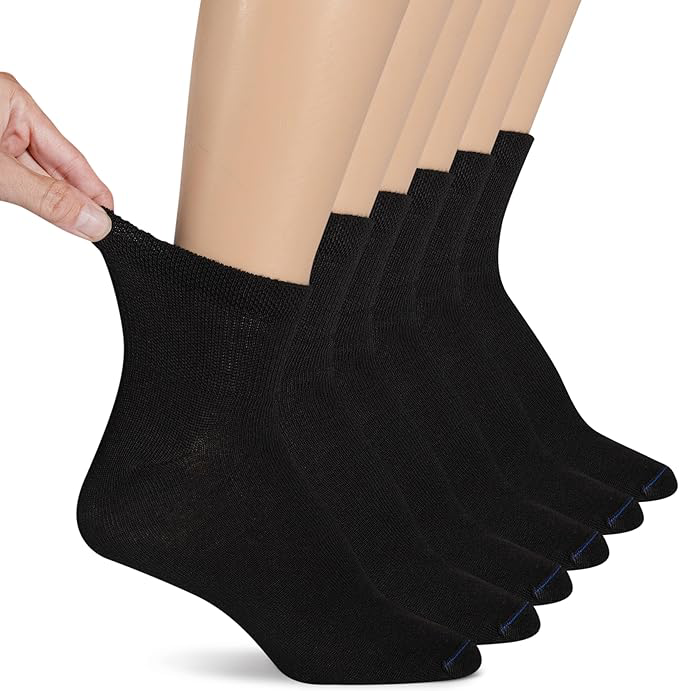
- Wear protective footwear at all times. Even inside the house, use slippers with a firm sole. Diabetic socks without tight elastic bands also help maintain circulation.
- Schedule an annual comprehensive foot exam. Your doctor should test your sensation with a monofilament and check your pulses. If you already have neuropathy or PAD, you may need more frequent checks.
These three causes — neuropathy, poor circulation, and foot deformities — do not act in isolation. They often overlap and amplify each other. Understanding how each factor contributes to ulcer formation empowers you to take specific action. A small wound you can see and treat today will never become a hard-to-heal ulcer tomorrow.